
Manufacturing Warehouse Outsourcing in Poland: A Strategic Guide
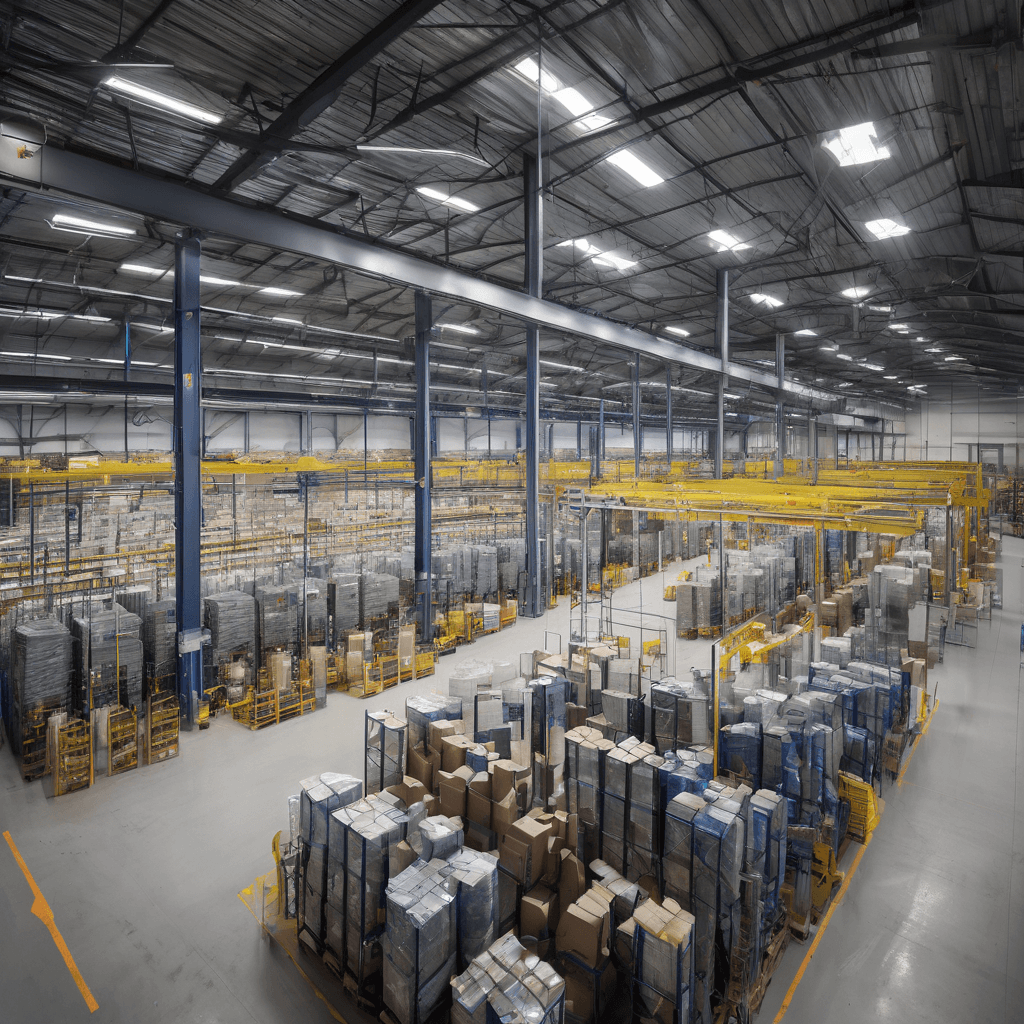
Facing relentless pressure to cut costs while maintaining quality? You're not alone. Many manufacturers find their own warehouses are a bottleneck, draining capital and flexibility. Meanwhile, Poland has quietly become Europe's undisputed logistics champion. Consider this: it now boasts over 21 million square meters of modern warehouse space, with prime locations like the "Central European Logistics Hub" near Wrocław offering rates significantly below Western Europe. Imagine a German automotive supplier slashing its storage costs by 30% overnight, all while improving delivery times to key EU markets. This isn't just about saving money; it's about strategic agility. Let's explore how the Polish model turns logistical headaches into a competitive edge.
Why Poland is a Prime Hub for Manufacturing & Warehouse Outsourcing
Poland has rocketed up the list of preferred destinations for companies looking to outsource manufacturing and warehouse operations, and it's not hard to see why. The country offers a powerful combination of geography, talent, and economic stability that's tough to beat in the European context.
Central European Location & Logistics Excellence
Strategically positioned at the crossroads of the EU, Poland acts as a seamless gateway between Western European consumers and the growing markets further east. This isn't just about a dot on a map; it translates into tangible logistics advantages. The country has invested heavily in its infrastructure, creating a dense network of modern highways, efficient rail corridors, and deep-sea ports like Gdańsk, which is rapidly becoming a key Baltic hub. In practice, this means you can reach major cities like Berlin or Warsaw within a day's drive, while reliable connections to markets in Ukraine and the Baltics are firmly established. For distribution centers serving the 80+ million consumers in the DACH region (Germany, Austria, Switzerland) and beyond, Poland's location is a game-changer for lead times and fuel costs.
Cost-Effective & Skilled Workforce
While cost savings are a significant draw, the real value lies in the exceptional return on investment. Labor costs remain notably lower than in Western Europe, but are coupled with high productivity and a strong work ethic. The talent pool is deep, particularly in technical fields. Universities graduate thousands of engineers, IT specialists, and logistics professionals annually, ensuring a steady supply of skilled personnel. For a clearer picture, consider these typical operational comparisons:
| Cost Factor | Poland (Approx.) | Western Europe (e.g., Germany) |
|---|---|---|
| Average Monthly Gross Wage (Manufacturing) | €1,800 - €2,200 | €3,800 - €4,500+ |
| Industrial Space Rent (Prime Locations) | €3.5 - €5.5 / sqm/month | €6.5 - €9+ / sqm/month |
| Utility Costs (Industrial) | Generally 20-30% lower | Benchmark |
Sources: Eurostat, local industry reports 2024. Figures can vary by region and specific sector.
Stable Economy & EU Membership Benefits
Poland's full EU membership is a cornerstone of its appeal, eliminating a mountain of red tape for intra-European trade. This means no customs duties, alignment with stringent EU regulatory and quality standards, and access to significant EU funding that has fueled infrastructure development. The country's economy has shown remarkable resilience and growth over the past two decades, providing a stable and predictable environment for long-term investments. Companies operating here benefit from the free movement of goods, a harmonized legal framework, and the security of being within a major single market. It’s a setup that minimizes risk while maximizing market access, a balance that’s crucial for any outsourcing strategy. For more insights on navigating these opportunities, check out our Blog.
Key Services in Polish Manufacturing & Warehouse Outsourcing
Poland's manufacturing and warehouse outsourcing sector stands out because it bundles deep industrial expertise with modern logistics in a single, cost-effective package. Companies aren't just renting space or finding a production line; they're accessing a comprehensive ecosystem designed to streamline their entire supply chain. This integrated approach is a major reason why sectors from automotive to consumer electronics are expanding their footprint here.
Contract Manufacturing & Production
This goes far beyond simple outsourcing. Polish partners offer complete production lifecycle management, handling everything from sub-assembly of complex components to full end-to-end manufacturing. The automotive industry, for instance, heavily utilizes these services for modules like dashboards or wiring systems. A typical setup might involve a partner producing over 50,000 specialized electronic units monthly, with all sourcing and quality assurance managed locally. The workforce is skilled, and the cost-competitiveness remains strong, with labor costs still favorable compared to Western Europe according to recent Eurostat data.
Full-Service Warehousing & Distribution
Modern logistics hubs across Poland provide much more than four walls and a roof. They offer secure, scalable storage with advanced WMS (Warehouse Management Systems) for real-time inventory visibility. Core services include:
- Dynamic pick-and-pack operations configured for B2B or direct-to-consumer shipping.
- Cross-docking facilities that can slash delivery times by moving goods directly from inbound to outbound trucks.
- Coordination with last-mile carriers across the EU, which is a huge advantage for e-commerce brands.
| Warehouse Feature | Common Specification in Major Hubs |
|---|---|
| Clear Height | Often 10m+, enabling high-density storage |
| Dock Levellers | 20-50+ gates for high-volume operations |
| Security | 24/7 monitoring, access control, and often VDS/FM certification |
Value-Added Services (VAS)
This is where providers truly customize solutions. VAS transforms a standard warehouse into a critical extension of your own operations. Common services include kitting (creating ready-to-sell product bundles), comprehensive labeling and repackaging, and final assembly or light manufacturing. Quality control checks are integrated directly into the flow, not an afterthought. Crucially, providers also handle the often-overlooked reverse logistics—managing returns, refurbishments, and recycling, which can represent up to 20% of logistics costs for some retailers. Packages are highly flexible, scaling up for peak seasons or new product launches, then scaling back down. In practice, this means you only pay for what you use, when you use it.
For more insights on the regional advantages, check out our latest analyses on the Blog.
Evaluating Potential Outsourcing Partners in Poland
Choosing the right partner is the single most critical step in outsourcing your manufacturing or warehouse operations to Poland. A rigorous evaluation goes far beyond a simple price comparison; it's about ensuring operational alignment and long-term resilience. Here’s a structured approach to vetting potential providers.
Assessing Technical Capabilities & Infrastructure
Nothing replaces an on-site audit. You need to see the facility's condition, the age and maintenance of machinery, and the real-world application of their Warehouse Management System (WMS). A modern WMS isn't just a nice-to-have; it's essential for real-time inventory tracking and integration with your own ERP. Certifications like ISO 9001 (quality) and ISO 14001 (environmental) are strong baseline indicators of a disciplined operation. In practice, look for how these standards are implemented on the shop floor. Are workflows clearly defined? Is safety equipment properly used? The physical infrastructure should also support your growth, with clear room for expansion or flexible modular spaces.
Reviewing Industry Experience & Client References
A provider's general logistics experience matters less than their specific know-how with your product type. A company adept at handling automotive components might struggle with temperature-sensitive pharmaceuticals. Demand a deep dive into their track record. Ask for and actually contact client references from your sector. Discuss their performance during peak seasons and how they handled specific challenges. For instance, a partner experienced in e-commerce fulfillment will have proven strategies for managing returns rates that can exceed 20%, a nuance less common in B2B operations. This sector-specific expertise, often cited in local industry reports as a key strength of Polish industrial clusters, directly reduces your operational risk.
Analyzing Financial Stability & Communication Protocols
A financially shaky partner is a massive liability. Request proof of financial health to ensure they can invest in necessary upgrades and weather market fluctuations. Equally critical are the softer, human factors. Clear communication channels and English fluency are common, but you must evaluate their reporting standards. Will you receive automated, daily KPI dashboards? Key metrics to benchmark include:
| Performance Metric | Industry Benchmark in Poland | Your Target |
|---|---|---|
| Order Picking Accuracy | 99.5%+ | 99.8% |
| On-Time Shipping | 98%+ | 99% |
| Warehouse Capacity Utilisation | 85-90% | 80% |
Finally, grill them on contingency plans. How do they handle a sudden 30% demand surge from a viral product or a critical supplier delay? Their answers will reveal their operational maturity and true partnership potential. For more insights on the Polish market landscape, explore our Blog.
The Financial & Operational Advantages of Outsourcing to Poland
For companies looking to optimize their European supply chain, outsourcing manufacturing and warehouse operations to Poland presents a compelling financial and strategic model. The move transforms a heavy, fixed-cost structure into a lean, agile extension of your business.
Significant Cost Reduction & Predictable Budgeting
The immediate benefit is a drastic cut in capital expenditure. You avoid the multi-million-euro outlays for land, construction, and automated storage systems. Labor costs, while rising, remain competitive; total employment costs in manufacturing are often 30-50% lower than in Western Europe, according to Eurostat data. Partnering with a Polish 3PL converts these fixed costs into predictable, per-unit or monthly service fees. This creates transparent budgeting, as seen in typical warehousing fees:
| Service | Average Monthly Cost (€) | Key Inclusions |
|---|---|---|
| Storage (per pallet) | 15 - 25 | Space, basic handling, insurance |
| Inbound Handling | 8 - 15 per pallet | Unloading, checking, put-away |
| Order Picking | 2 - 5 per line | Manual pick & pack operations |
These figures can vary based on location and service level, but they illustrate the shift from CapEx to clear, operational OpEx.
Enhanced Flexibility & Scalability
Market demands shift, sometimes overnight. An outsourcing model lets you respond without the pain of internal restructuring. Need to double your storage for a Q4 campaign? Your partner allocates the space. Launching a new product line? They integrate it into existing workflows. This elasticity is a game-changer, allowing you to scale up or down within weeks, not months, freeing you from long-term lease commitments and the administrative burden of hiring or laying off local staff. In practice, this agility directly protects your bottom line during economic downturns or seasonal slumps.
Focus on Core Business Competencies
By offloading complex logistics execution, your internal team gets its time back. Engineers can focus on product innovation instead of warehouse layout. Finance can analyze market data rather than local tax codes. This strategic reallocation of talent and capital towards R&D, marketing, and core sales activities is, for many, the most valuable advantage. Furthermore, you mitigate significant operational risk—your expert partner navigates Poland’s evolving labor regulations, safety compliance (like BHP), and customs procedures, which can be a minefield for foreign entities. This lets you benefit from the Polish market's stability and growth, detailed further on our Blog, without being bogged down by its administrative complexities.
Navigating Challenges and Mitigating Risks
While outsourcing manufacturing and warehouse operations to Poland offers significant advantages, a smooth transition hinges on proactive risk management. Success isn't automatic; it's built on meticulous planning and clear governance.
Managing Distance & Cultural Nuances
Geographic and cultural distance can create friction if not managed. The key is over-communication. Implement robust project management tools like Asana or Monday.com for real-time tracking, and schedule weekly video calls. But don't rely solely on screens. Quarterly in-person reviews are non-negotiable for building trust and addressing issues that digital meetings miss. While Polish professionals are highly skilled and often fluent in English, subtle differences in communication styles—like a more direct approach—can sometimes be misinterpreted. Investing in a local liaison or a bilingual project manager pays dividends in smoothing these nuances.
Ensuring Quality Control & Compliance
You cannot outsource responsibility for quality. Establishing clear, measurable KPIs and SLAs from day one is critical. These should cover everything from order accuracy and inventory turnover to on-time-in-full (OTIF) delivery, which in Polish logistics hubs often exceeds 95%. Regular audits, both announced and surprise, are essential. Furthermore, conducting rigorous due diligence on Polish legal frameworks—particularly EU manufacturing standards (CE marking), REACH, and waste management regulations—protects you from compliance risks. An ironclad contract, drafted with local legal counsel, must explicitly outline these obligations, remedies, and inspection rights.
Protecting Intellectual Property (IP)
IP protection is a top concern for manufacturers. Poland's EU membership means it adheres to strict IP laws, but enforcement starts with your contract. Implement strict IP protection clauses, comprehensive NDAs covering all partner employees, and secure data transfer protocols (like VPNs and encrypted clouds). Specify that all designs, processes, and tooling remain your exclusive property. For high-tech production, consider compartmentalizing processes so no single partner has the complete blueprint. It's a belt-and-suspenders approach that works.
Beyond these targeted strategies, building overall supply chain resilience is wise. Developing a dual-sourcing or backup plan, even if it's for critical components only, mitigates risk from unforeseen disruptions at a primary facility. This could involve identifying a second Polish partner or a nearshoring option in another CEE country.
| Resilience Strategy | Primary Benefit | Typical Implementation Time |
|---|---|---|
| Dual-Sourcing Key Components | Reduces disruption risk from single supplier failure | 3-6 months to qualify a second source |
| Backup Warehouse Agreement | Provides overflow capacity & disaster recovery | 1-3 months for contractual setup |
| Buffer Stock Policy | Absorbs short-term demand or supply shocks | Immediate (once stock is held) |
In practice, the companies that thrive are those that view their Polish partner as an extension of their own operations, investing in the relationship and governance structures to make it seamless. For more insights on the regional landscape, explore our Blog.
Conclusion: Is Poland the Right Strategic Move for Your Business?
Ultimately, the decision to outsource your manufacturing or warehouse operations to Poland hinges on a strategic calculation beyond simple labor arbitrage. The country's proposition is robust, blending competitive operational costs with a deep talent pool, a geographic sweet spot in Central Europe, and the economic stability of EU membership. For many, this combination is hard to beat.
Weighing the Strategic Fit
Poland’s advantages are clear, but they must align with your specific operational needs. Consider the following core pillars:
| Advantage | Key Data & Details |
|---|---|
| Cost Efficiency | While rising, labor costs remain significantly lower than in Western Europe, with average gross monthly wages in manufacturing around €1,800-€2,200. Industrial space rents in key logistics hubs like Wrocław or Poznań can be 30-50% lower than in German counterparts. |
| Skilled Workforce | A strong engineering tradition feeds a pipeline of technical talent, with over 1.5 million students in higher education. Multilingual capabilities, especially in German and English, are commonly seen in management tiers. |
| Strategic Location | Serving as a gateway, Poland allows same-day road freight access to major markets like Berlin and Prague, and 2-3 day delivery to most EU capitals. This centrality slashes lead times and freight costs. |
Yet, this potential is only unlocked through meticulous execution. The biggest pitfall isn't Poland's infrastructure—which is modern and expanding—but entering a partnership without rigorous due diligence. Success absolutely depends on selecting a partner whose culture and capabilities mesh with yours, backed by crystal-clear contracts covering everything from KPIs to intellectual property.
The First Steps to a Successful Partnership
Jumping in with both feet is risky. A smarter approach is to begin with a pilot project—a single product line or a dedicated warehouse zone. This controlled phase lets you stress-test processes, communication flows, and quality controls without betting the entire farm. It’s a practical trust-building exercise that reveals more than any site audit. Treat this not as a simple vendor contract but as building a long-term strategic alliance. The goal is a collaborative relationship where your partner proactively contributes to innovation and continuous improvement, driving value far beyond initial savings.
For businesses determined to optimize their European supply chain resilience, agility, and cost structure, Poland presents a formidable and future-proofed opportunity. The groundwork, however, requires a strategic, phased, and partnership-minded approach. Ready to explore what this could mean for your operations? Dive deeper into insights and case studies on our Blog.
Frequently Asked Questions (FAQ)
What are the typical costs of outsourcing manufacturing and warehousing to Poland?
Outsourcing to Poland can cut your manufacturing and warehousing costs significantly — typically 30–50% lower than in Western Europe. You’re mainly saving on skilled labor, which might cost around €12–€18 per hour, plus cheaper utilities and solid logistics. Most local partners offer transparent pricing, so you’ll see clear rates for storage, picking, and handling. To get the best deal, ask for a detailed breakdown that includes energy costs and any minimum monthly fees. It’s a practical move if you’re looking to reduce overhead while staying within the EU.
How does the quality of manufacturing in Poland compare to Western Europe?
Honestly, Polish manufacturing quality is now on par with Western Europe for most industries. The key is their deep engineering talent and strict adherence to EU and global standards like ISO 9001. Many major automotive suppliers, for instance, operate there precisely for this consistent quality. When outsourcing, the practical move is to vet suppliers directly—look for those with IATF 16949 certification for automotive or specific ISO standards for your sector. You'll get Western-grade quality, often at a better cost.
What industries most commonly outsource to Poland?
Poland is a major outsourcing hub, especially for manufacturing and warehouse operations. The top industries are automotive, electronics, and household appliances—think companies like LG or Volkswagen using Polish factories. Furniture, food processing, and medical devices are also big, thanks to specialized regional clusters. For example, the Łódź region is famous for its textile and appliance manufacturing. If you're looking for a warehouse partner, the well-developed logistics near Wrocław or Poznań, serving the German market, are a great place to start your search.
Are there language barriers when working with Polish outsourcing partners?
In my experience, language is rarely a major hurdle when outsourcing manufacturing or warehouse operations to Poland. English is the standard business language, especially among managers, engineers, and logistics teams. You'll find that most key contacts are fluent. For example, in industrial hubs like Wrocław or Poznań, it's common for technical staff to have strong English skills. The main tip is to simply confirm proficiency during your partner selection—ask to meet the operational team leads on a video call. Day-to-day emails and plans go smoothly, and any complex discussions are easily handled by their bilingual project managers.
What legal considerations are important for outsourcing contracts in Poland?
When outsourcing a manufacturing warehouse in Poland, your contract is your main protection. Polish and EU law apply, so get local legal review. Crucially, lock down who owns any IP created. Clearly set liability caps—for example, limit it to 12 months of service fees. Define measurable quality KPIs and a clear exit plan. Finally, specify dispute resolution upfront; choosing arbitration in Warsaw can be faster than regular courts. Don't leave these points vague.
Related Articles
Understanding the Cost of Warehouse Services in Poland
Navigating warehouse costs in Poland feels like a maze. You're not alone. With e-commerce booming, logistics space is at a premium. Prime warehouse vacancy r...
Central Europe Warehouse Hub: A Strategic Logistics Guide
Struggling with supply chain bottlenecks and soaring costs? You're not alone. The logistics map of Europe is being redrawn, with Central Europe emerging as t...
European Warehouse Services in Poland: Your Strategic Hub
Struggling with warehouse delays and spiraling logistics costs? You're not alone. Poland has rapidly become the beating heart of European distribution, with ...