
Top Warehouse Companies in Poland: A 2024 Market Guide

Poland's warehouse market is booming, but finding the right partner is a minefield. With over 31 million square meters of modern space now available, the choice is staggering. Imagine launching a product across Europe only to have your logistics fail at the Polish border—a costly delay that erodes customer trust. The top players aren't just landlords; they are strategic partners who leverage Poland's central geography to slash transit times and costs. So, how do you separate the industry leaders from the crowded field? The answer lies in a mix of scale, technology, and proven resilience. Let’s examine the companies that consistently deliver when the pressure is on.
Criteria for Evaluating Top Warehouse Companies
When you're sifting through the list of potential logistics partners, a clear set of evaluation criteria is your best tool. The market is diverse, and the right fit depends heavily on your specific operational needs and growth ambitions.
Service Portfolio & Specializations
The baseline is simple storage, but top players distinguish themselves with comprehensive solutions. Look for providers offering integrated 3PL (Third-Party Logistics) and 4PL (Fourth-Party Logistics) models, where they manage your entire supply chain. Value-added services are equally critical; these can include kitting, labeling, returns processing, and even light assembly. Industry specialization is a non-negotiable filter. A warehouse built for fast-moving consumer goods (FMCG) operates very differently from one handling temperature-sensitive pharmaceuticals or high-value automotive parts. For instance, e-commerce demands rapid, accurate picking and packing, while pharma requires stringent GDP (Good Distribution Practice) compliance. Choosing a partner with deep experience in your sector translates to fewer operational headaches.
Infrastructure & Technology Standards
A modern warehouse is a tech hub. The backbone is a robust Warehouse Management System (WMS) that provides real-time inventory visibility—something customers now expect as standard. Beyond that, the level of automation and IoT (Internet of Things) integration is a key differentiator. This ranges from automated guided vehicles (AGVs) and sortation systems to smart sensors monitoring temperature and humidity in real-time. Geographic coverage within Poland's strategic logistics hubs (like Central Poland, Wrocław, Poznań) and into broader Central and Eastern Europe (CEE) is vital for distribution efficiency. Finally, certifications offer concrete proof of capability and commitment.
| Certification | Primary Focus | Key Industries |
|---|---|---|
| ISO 9001 | Quality Management Systems | Universal |
| GDP | Integrity of Medicinal Products | Pharmaceuticals, Biotechnology |
| BRC Global Standards | Safety, Quality, Operational Criteria | Food, Packaging, Storage & Distribution |
Sustainability credentials, like BREEAM-certified facilities or EV fleets, are increasingly a deciding factor, reflecting both regulatory trends and corporate responsibility goals. According to a local industry report, demand for BREEAM-certified warehouse space in Poland has grown by over 30% in the past two years. In practice, the best providers blend these elements seamlessly, offering a scalable, tech-driven, and compliant foundation for your supply chain. For more insights on the logistics landscape, explore our Blog.
Profiles of Leading Warehouse and Logistics Operators
Poland's warehouse market is a dynamic arena where global giants and savvy local players compete and collaborate. The landscape is broadly shaped by two groups: massive developers building the physical infrastructure and sophisticated operators managing the flow of goods within it. Understanding their distinct roles and strengths is key for any business looking to optimize its supply chain in Central Europe.
International Powerhouses with Polish Presence
The skyline near major motorways is dominated by the vast logistics parks developed by international investment funds. Panattoni and Prologis are clear market leaders, consistently holding the largest shares of modern warehouse space. For instance, Panattoni reported a Polish portfolio exceeding 9 million sqm in 2023, a staggering figure that underscores their dominance. These firms specialize in developing and leasing big-box facilities, often building entire, state-of-the-art logistics parks tailored for major retailers, manufacturers, and e-commerce giants. Their key strength lies in prime location access, scalable space, and institutional-grade reliability. Global third-party logistics providers (3PLs) like DHL Supply Chain, Kuehne+Nagel, and DSV operate within these spaces, offering integrated solutions from warehousing to transport management. They don't typically own vast real estate portfolios but are essential partners for complex logistics, serving blue-chip clients across automotive, tech, and consumer sectors.
Strong Domestic and Regional Players
Alongside the global titans, Polish-origin companies thrive by leveraging deep local expertise, dense regional networks, and specialized services. FM Logistic, with a strong footprint in Poland and Europe, excels in contract logistics and shared-user warehouse solutions, a flexible model that's cost-effective for many mid-sized businesses. Raben Group is a transport and logistics powerhouse, its integrated "one-stop-shop" approach—combining warehousing with extensive road freight across Europe—is a major competitive edge. Similarly, Waberer's, while famous for international trucking, offers robust warehousing as part of its full-service logistics packages.
Specialization is another area where local operators shine. For the cold chain, a company like LSC is a critical partner, managing temperature-controlled logistics for the food and pharmaceutical industries. The explosive growth of e-commerce has also spawned and elevated firms focused purely on e-fulfillment, handling everything from inbound storage to last-mile parcel sorting, often with highly automated systems.
| Operator Type | Example Companies | Key Strength | Typical Client Profile |
|---|---|---|---|
| Developer/ Landlord | Panattoni, Prologis, GLP | Owning & developing prime logistics real estate; large-scale space | Large retailers, manufacturers needing 10,000+ sqm |
| Global 3PL | DHL Supply Chain, Kuehne+Nagel | Integrated global network, complex supply chain IT | Multinational corporations in automotive, tech |
| Integrated Polish Operator | Raben Group, FM Logistic | Combined warehousing & transport, regional density | Businesses needing seamless CEE distribution |
| Specialist | LSC (cold chain), e-fulfillment firms | Niche sector expertise, tailored processes | Food, pharma, e-commerce brands |
In practice, the choice between these players depends heavily on a company's specific needs. A multinational might lease a built-to-suit facility from Prologis but hire DHL to run the daily operations inside it. Meanwhile, a growing Polish e-commerce brand might find a perfect fit with a domestic 3PL's flexible fulfillment center. For more insights on the local business environment, check out our Blog.
Key Warehouse Locations and Their Strategic Advantages
Strategically located at the crossroads of Europe, Poland's warehouse map is defined by several powerhouse regions, each offering distinct advantages for different supply chain needs. Understanding these hubs is crucial for any company looking to optimize its logistics footprint.
The 'Big Five' Logistics Hubs
These five established regions form the core of Poland's industrial and logistics muscle.
- Central Poland (Łódź Voivodeship): Often called Poland's logistics heart, its central location minimizes travel time to virtually any major Polish city. This makes it a prime spot for national distribution centers. The area boasts massive, modern facilities and a deep pool of logistics talent. Rents here are competitive, typically ranging from €3.5 to €4.5 per sqm/month, offering a strong value proposition.
- Upper Silesia (Katowice region): This is the go-to region for supporting heavy industry and manufacturing. The dense network of existing factories creates huge demand for supplier parks and production-linked logistics. The workforce is highly skilled in industrial processes, which you don't always find elsewhere.
- Warsaw Metropolitan Area: Driven by relentless e-commerce growth, demand here is all about last-mile and urban logistics. While land is pricier, securing space in or near the capital is non-negotiable for retailers needing same-day delivery. Vacancy rates are notoriously low, often dipping below 5%, according to local industry reports.
- Poznań and Wrocław: Acting as Poland's western gateways, these cities are critical for trade with Germany and the Benelux countries. Major highway corridors like the A2 and A4 intersect here, making them perfect for cross-docking and regional European distribution. In practice, many companies use these hubs to serve both the Polish and German markets from a single location.
- Tri-City (Gdańsk/Gdynia): The country's primary maritime hub, handling over 55% of Poland's container throughput (Eurostat). Beyond port logistics, its excellent rail connections enable efficient intermodal transport deep into Central and Eastern Europe, a key advantage for global supply chains.
| Hub | Primary Advantage | Typical Rent (€/sqm/month) | Key Infrastructure |
|---|---|---|---|
| Łódź Voivodeship | Central location for national distribution | €3.5 - €4.5 | A1/A2 motorway junction, extensive rail |
| Upper Silesia | Industrial & manufacturing support | €4.0 - €5.0 | Dense motorway network (A4, A1) |
| Warsaw Metro | Last-mile & urban logistics | €5.0 - €6.5+ | Central hub, S8/S7 expressways |
Emerging Regions for Warehouse Development
Pressure on the 'Big Five' is pushing development into new, promising areas. Locations like Lublin in the east are gaining traction, benefiting from EU funding and growing cross-border trade with Ukraine. Similarly, the "Central Communication Port" (CPK) mega-project, a planned integrated air and rail hub near Warsaw, is already drawing speculative investor interest and could redefine the national logistics landscape by 2030. Smaller cities along major transport corridors, such as Bydgoszcz or Szczecin, are also seeing increased activity as companies look for cost-effective alternatives with solid connectivity. For more insights on market trends, check out our latest analyses on the Blog.
Future Trends Shaping Warehouse Services in Poland
The Polish warehouse sector is rapidly evolving, driven by tenant demands and global shifts. Companies are no longer just seeking square meters; they need smart, sustainable, and strategically located solutions that future-proof their operations.
Technological Innovation & Automation
Gone are the days of purely manual picking. The push for efficiency and near-perfect accuracy is fueling a tech revolution inside Polish warehouses. Advanced Warehouse Management Systems (WMS) now form the digital brain, integrating seamlessly with robotics and AI. We're seeing a surge in automated guided vehicles (AGVs) for transport and autonomous mobile robots (AMRs) for sorting, which can boost picking efficiency by 20-40% depending on the setup. AI algorithms optimize inventory placement and predict stock levels, while computer vision systems verify orders, slashing error rates to below 0.5% in some high-tech facilities. This isn't just about replacing labor; it's about augmenting human workers to handle more complex tasks in a tighter labor market.
| Technology | Common Application in PL | Typical Efficiency Gain |
|---|---|---|
| Automated Storage & Retrieval (AS/RS) | Pallet handling in frozen food logistics | Space utilization up +40% |
| Goods-to-Person (G2P) Robots | E-commerce order fulfillment | Picking speed increase +300% |
| AI-Powered WMS | Demand forecasting, route optimization | Inventory accuracy >99.5% |
Sustainability and Green Warehousing
ESG criteria are now a decisive factor for many occupiers, not a nice-to-have. The focus is on both construction and operation. New builds commonly target BREEAM or LEED certifications, with solar panel installations becoming almost standard on vast roof spaces—some parks now generate over 50% of their own energy. In practice, you'll also find EV charging hubs expanding rapidly and smart building systems that drastically cut water and electricity use. Tenants are actively seeking these features to reduce their Scope 3 emissions, and developers are responding; according to local industry reports, the share of modern space classified as 'green' has surpassed 30% and is climbing fast.
Beyond these core trends, the landscape is being reshaped by omnichannel pressure and geopolitics. The boom in e-commerce demands faster delivery, sparking investment in smaller urban micro-fulfillment centers, sometimes nested within existing retail spaces. Simultaneously, Poland's strategic position has been reinforced by supply chain reconfiguration from Asia, with many companies seeking +100,000 sqm logistics hubs for nearshoring or stockpiling. This creates a dual market: massive distribution centers near key transport corridors and compact, automated last-mile facilities in city zones. For a deeper look at market leaders driving these changes, check out our Blog.
How to Choose the Right Warehouse Partner for Your Business
Selecting a warehouse partner in Poland is a strategic decision that can make or break your supply chain efficiency. It's not just about finding space; it's about securing a collaborative extension of your business. Here’s a practical guide to navigating the choice.
Defining Your Operational Requirements
Start by looking inward. A clear understanding of your own needs is the foundation for any successful partnership. This goes beyond square meters.
- Scale & Flexibility: Are you planning for steady growth, or do you face sharp seasonal peaks, like a 25% surge in Q4 for e-commerce? You need a provider that can scale space up or down without punitive costs.
- Technical Specs: Detail your must-haves. Does your product require climate control, hazardous material storage, or high-security cages? What about IT integration—can their Warehouse Management System (WMS) talk to your ERP seamlessly?
- Service Level: Will you need value-added services like labeling, kitting, or returns processing from day one?
Getting this list down on paper filters out unsuitable options immediately.
Conducting Due Diligence and Negotiations
With a shortlist of potential partners, dig deeper. Location is often the first real test. A warehouse near a major logistics hub like Poznań or Wrocław offers fantastic pan-European access, but if 70% of your customers are in southern Poland, a facility in Silesia might slash last-mile delivery times and costs. Analyze your supply chain map.
Next, move to direct questions. How scalable is their operation, really? What does their reporting dashboard look like—can you get real-time inventory data? Crucially, ask about their disaster recovery plans for IT system failures or supply chain disruptions. Their answers reveal operational maturity.
Finally, crunch the numbers with a Total Cost of Occupancy (TCO) model. The headline rental rate, while important, is just the start.
| Cost Component | Typical Consideration |
|---|---|
| Base Rental Rate | Quoted per m²/month (e.g., €4-6 in key markets). |
| Service Charges | Utilities, common area maintenance; can add 20-30% to base rent. |
| Handling Fees | Costs for receiving, picking, packing per item. |
| Contractual Penalties | Fees for early termination or failing to take minimum space. |
In practice, a slightly higher base rent with transparent, all-in pricing often beats a low rate riddled with hidden extras. Throughout negotiations, gauge the cultural fit. You’re entering a long-term relationship, so choose a partner whose communication style and problem-solving approach align with yours. For more insights on the Polish market, check our Blog.
Conclusion
Poland has cemented its role as a central logistics hub in Europe, and the warehouse sector is the engine driving that status. The country's geographic position, skilled workforce, and significant EU infrastructure funding create a powerful draw for businesses. With modern stock exceeding 26 million sqm and a development pipeline that remains robust, the market is both deep and dynamic.
Summary of the Polish Warehouse Landscape
The market thrives on diversity. Global giants like Panattoni, Prologis, and GLP dominate in terms of scale and portfolio, delivering vast, standardized logistics parks. Alongside them, strong local and regional developers, such as 7R or MLP Group, often excel in niche segments like last-mile urban warehouses or specialized BTS projects. This mix ensures competition and choice. Key metrics highlight the market's strength:
| Market Indicator | Figure / Status | Source / Trend |
|---|---|---|
| Total Modern Stock | > 26 million sqm | Local industry reports, 2024 |
| Prime Warehouse Rent (Warsaw) | €4.0 - 5.5/sqm/month | Market analysts, Q1 2024 |
| Vacancy Rate (National) | ~ 6-7% | Industry reports, early 2024 |
| Key Development Regions | Central Poland, Upper Silesia, Warsaw periphery | PAIH data |
Final Recommendations for Businesses
Selecting a warehouse partner here isn't just about square meters and price per pallet. It hinges on your specific operational DNA. A company needing a simple storage shed in a rural area has vastly different needs than an e-commerce player requiring a fully automated fulfillment center near a city of a million people.
- Align with your strategy. Define must-haves: is it cross-docking capability, rail siding access, or specific clear heights? Local specialists can sometimes offer more flexibility for custom BTS solutions than international players with standard specs.
- Audit for the future. Prioritize partners who embed future-readiness into their buildings. Look for concrete commitments to ESG—think EV charging stations, BREEAM certifications, and solar-ready roofs—and proven experience integrating warehouse management systems and automation.
- Engage proactively. The market is active, and prime locations get snapped up. Starting conversations early, perhaps by exploring insights on our Blog, provides leverage to negotiate and secure space that aligns with long-term growth plans. In practice, locking in a strategic location now offers a tangible competitive edge for the next phase of European expansion.
Frequently Asked Questions (FAQ)
What are the main benefits of using a warehouse company in Poland?
The main benefits are lower operational costs, a strategic EU location, and seamless market access. Labor and warehouse space are more affordable than in Western Europe, saving you significant money. Poland's central position lets you efficiently serve the entire EU market. For example, a major logistics hub like Panattoni offers modern facilities that let you store goods and distribute across Europe quickly. It’s a practical way to scale your business without the high overhead.
How much does warehouse rental cost in Poland?
Warehouse rental costs in Poland vary a lot by location and class. For modern Class A space, you might pay around €3.5–€4.5 per sqm/month in major logistics hubs like Central Poland (Łódź, Warsaw periphery). In western cities like Poznań or Wrocław, expect €4–€5. For older Class B/C space in smaller cities, prices can drop to €2–€3. Your best move is to check listings from top players like Panattoni, 7R, or Logicor to see current rates for your specific size and location needs.
Which Polish city has the most warehouse space?
If you're looking for the biggest warehouse hub in Poland, it's definitely the Łódź region, specifically around the city of Łódź itself. It's the long-standing leader in total modern warehouse space. The area around Łódź, especially along the A2 and A1 highways, has seen massive growth. For a specific example, Panattoni, one of the top developers, has millions of square meters there. So for the widest selection of available space and logistics connections, central Poland and Łódź is where you should focus your search first.
What is the difference between a logistics operator and a warehouse developer?
Think of it like this: a warehouse developer, such as Panattoni, is the real estate expert. They buy land, get permits, and build the physical warehouse—they're the "landlord." A logistics operator, often called a 3PL (third-party logistics provider), is the service expert. They rent that space and run the operations inside it: storing goods, picking orders, managing inventory, and shipping. So, if you need a building, you go to a developer. If you need someone to expertly manage your inventory and distribution from that building, you hire a logistics operator.
Do warehouse companies in Poland handle customs and international shipping?
Yes, many do. For cross-border EU trade, most top warehouse companies in Poland offer integrated customs and shipping services. They typically handle EU customs declarations (like Intrastat) and partner with major carriers for international shipping. For example, a company like FM Logistic Poland provides these as part of their full-service logistics packages. It's a standard offering, but you should always confirm the specific customs and geographic coverage with your chosen provider before signing a contract.
Related Articles
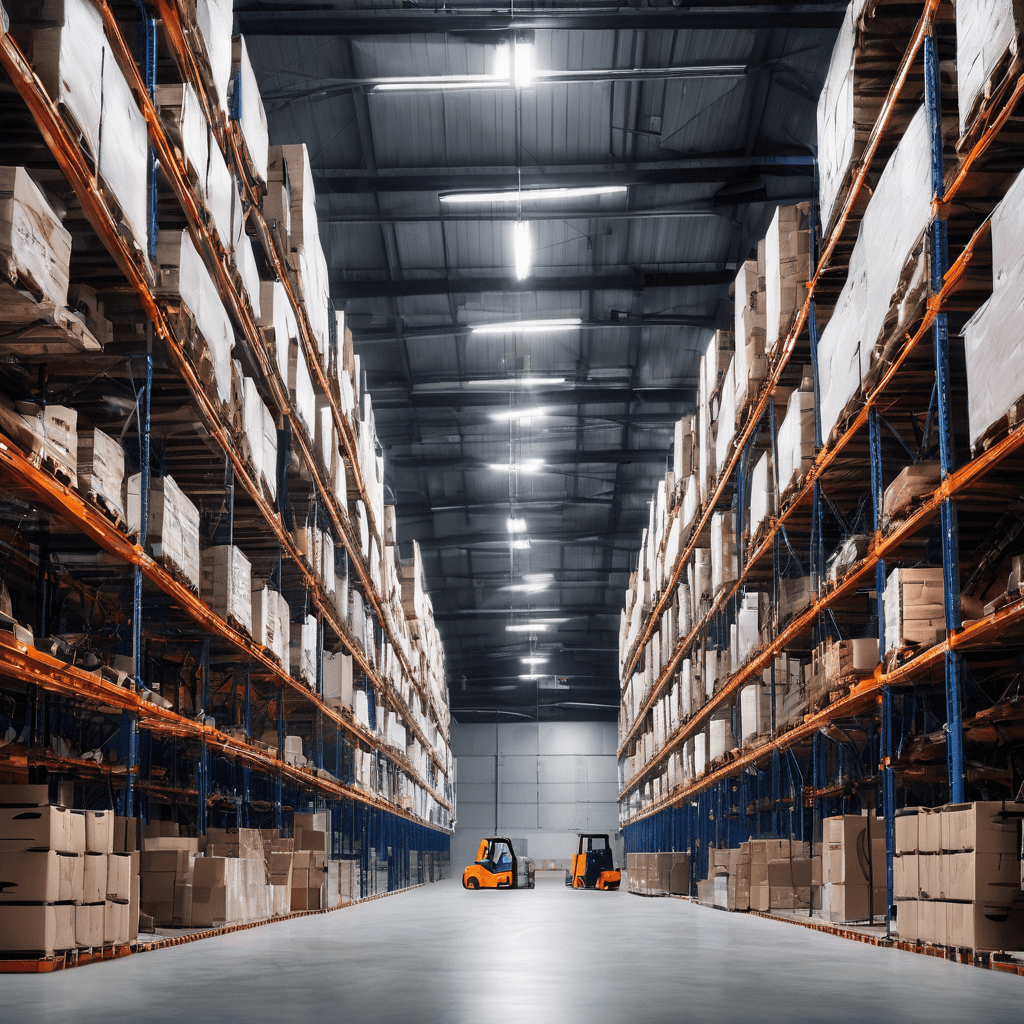
Understanding the Cost of Warehouse Services in Poland
Navigating warehouse costs in Poland feels like a maze. You're not alone. With e-commerce booming, logistics space is at a premium. Prime warehouse vacancy r...
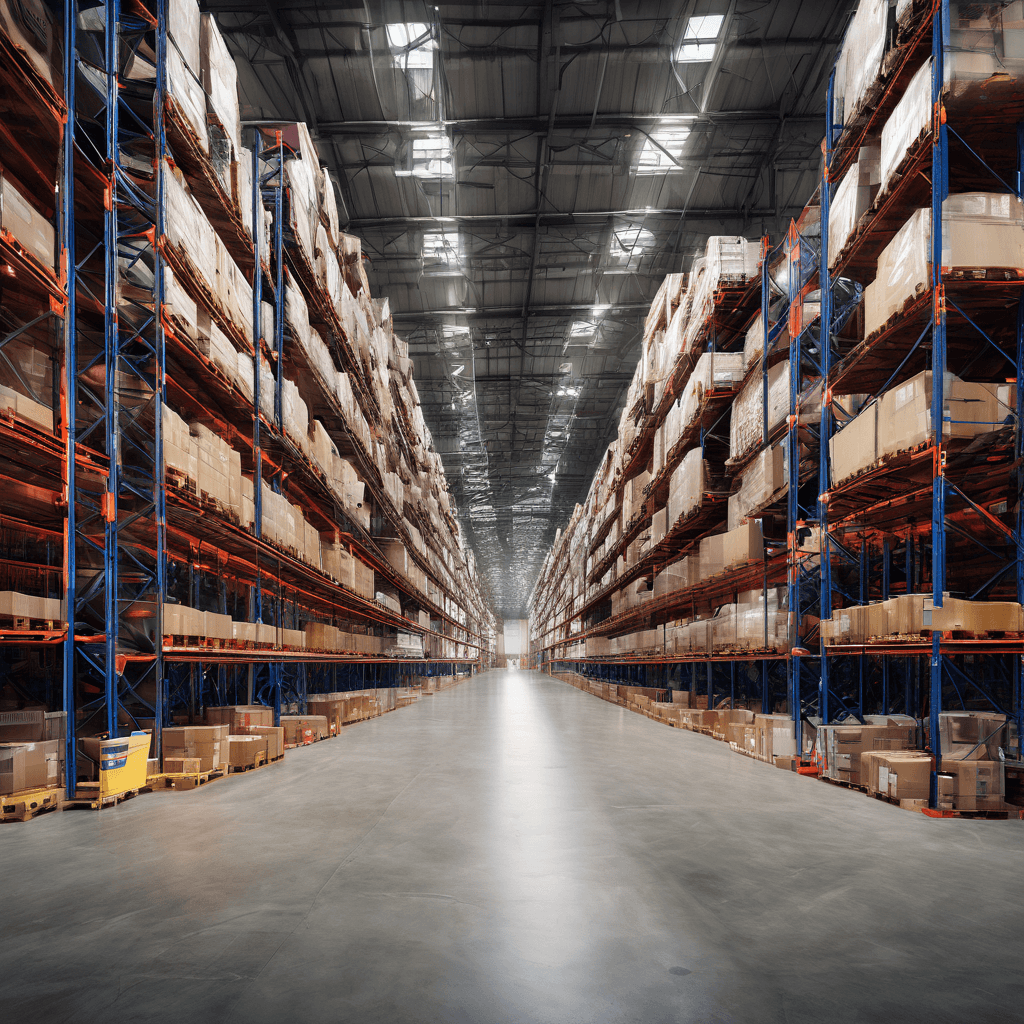
Central Europe Warehouse Hub: A Strategic Logistics Guide
Struggling with supply chain bottlenecks and soaring costs? You're not alone. The logistics map of Europe is being redrawn, with Central Europe emerging as t...
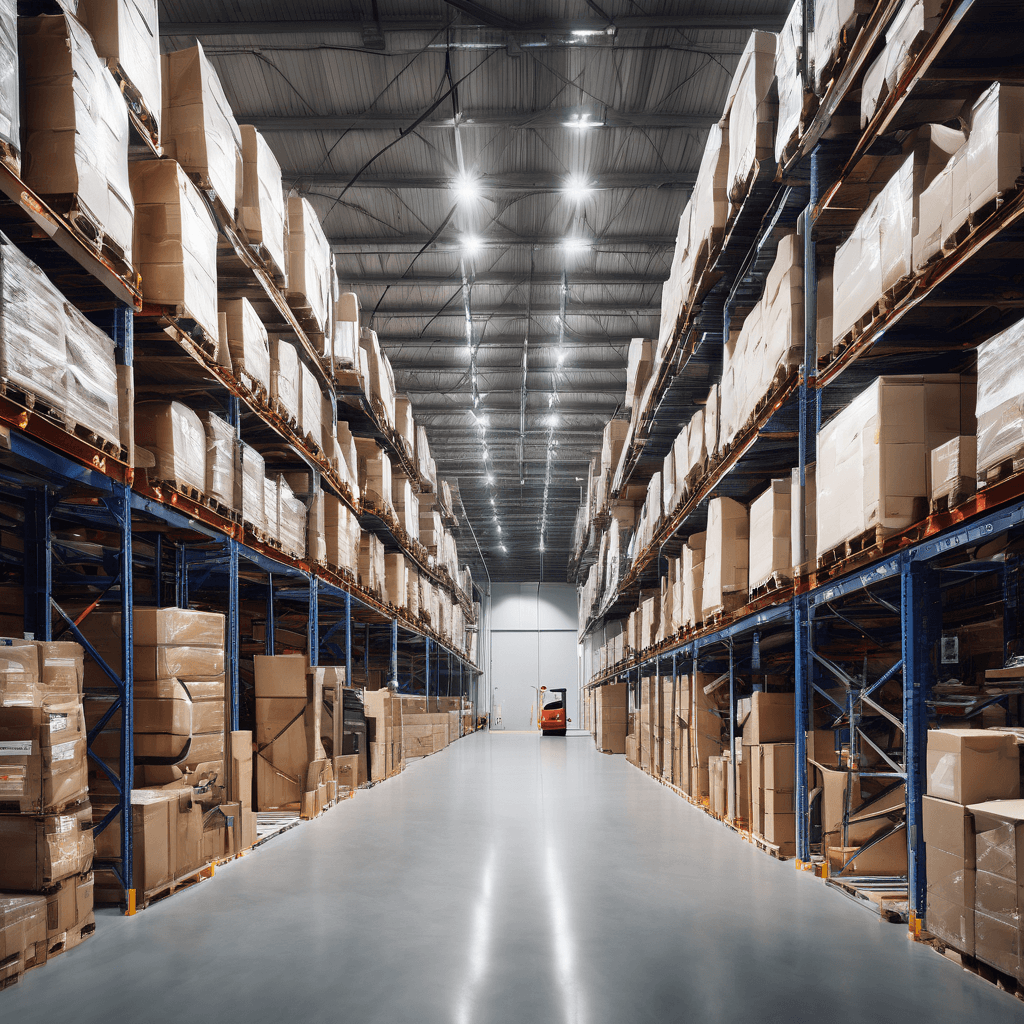
European Warehouse Services in Poland: Your Strategic Hub
Struggling with warehouse delays and spiraling logistics costs? You're not alone. Poland has rapidly become the beating heart of European distribution, with ...