
Warehousing vs Logistics in Poland: Key Differences Explained

Choosing between warehousing and logistics in Poland can feel like navigating a maze. You need a clear path to efficiency. Poland's warehouse market just hit a record 31 million square meters, but space alone isn't the answer. Consider a manufacturer near Wrocław: their warehouse is full, yet customer deliveries lag. The real issue often isn't storage—it's the integrated flow of goods. Many companies fixate on square footage while overlooking the critical logistics web of transport, customs, and last-mile delivery that turns inventory into revenue. Understanding this distinction is the key to unlocking the Polish market's true potential. Let's cut through the confusion and find your competitive edge.
Defining Warehousing in the Polish Context
At its heart, warehousing in Poland is about the secure, static storage of goods. It's the backbone that allows businesses to manage inventory, buffer against supply chain disruptions, and meet customer demand without constant production. While often confused with the broader field of logistics, warehousing is a distinct, critical component focused on the physical space and processes for holding products.
Core Functions of a Warehouse
The daily operations inside a Polish warehouse follow a standardized flow to ensure efficiency and accuracy. This isn't just about stacking pallets; it's a coordinated sequence of activities.
- Receiving & Put-away: Goods arrive, are checked against orders, and are systematically placed in designated storage locations.
- Storage: This is the core static function, utilizing racking systems to maximize vertical space. Inventory control here is everything.
- Picking & Packing: Once an order is placed, items are retrieved (picked), consolidated, and prepared for shipment, often involving specific packaging.
- Dispatch Preparation: The final step involves sorting, loading onto outbound vehicles, and completing all necessary shipping documentation.
Types of Warehouses in Poland
The Polish market offers diverse storage solutions tailored to different business needs and scales. The choice depends heavily on volume, location requirements, and operational flexibility.
| Type of Warehouse | Primary Tenants | Key Characteristics | Typical Location |
|---|---|---|---|
| Big-Box Logistics Centers | International 3PLs, large retailers, e-commerce giants | Facilities over 20,000 sqm, high-bay storage, advanced WMS, cross-docking. | Major logistics hubs (Central Poland, near A2/A4) |
| Built-to-Suit (BTS) | Manufacturing giants, automotive companies | Fully customized design for a single tenant’s specific process. | Industrial zones near manufacturing plants |
| SME Urban Warehouses | Local distributors, small e-commerce, service firms | Smaller units (500-5,000 sqm), flexible leases, quick city access. | Outskirts of major cities like Warsaw, Kraków, Wrocław |
Location is a non-negotiable factor. Proximity to the A2 (Berlin-Warsaw) and A4 (German-Ukrainian corridor) motorways is paramount for national and European distribution, slashing transit times. In practice, modern warehousing is rarely just storage. Value-Added Services (VAS) have become standard, transforming simple spaces into strategic hubs. Common services include labeling and re-packaging, product kitting or assembly, and comprehensive returns processing—a critical function for the booming e-commerce sector detailed in our Blog. According to local industry reports, the demand for such integrated warehouse solutions in Poland grew by over 15% in 2023, highlighting the sector's evolution beyond four walls and a roof.
Understanding Logistics as a Holistic Process
While warehousing provides the crucial static node, logistics is the dynamic engine that moves everything. Think of it as the holistic management of the entire flow—goods, information, and finances—from raw material to the end customer's hands. It's a complex, interconnected dance that turns storage into motion and strategy into delivery.
The Flow of Goods from A to B
In Poland, this flow is geographically and procedurally intricate. A component might arrive by sea to Gdańsk, clear customs, move via rail to a Central Polish hub, and finally be delivered by truck to a factory in Wrocław. Managing this requires seamless coordination. Freight forwarding and customs brokerage are absolutely critical here, especially given Poland's role as a key EU gateway to the East. For instance, a logistics provider handling shipments from Asia must expertly navigate EU customs union procedures and the different rules for trade with Ukraine or Belarus. The final leg, last-mile delivery, has exploded with e-commerce, demanding flexible solutions to reach both dense city centers and remote rural areas.
Key Components of Logistics Management
Effective logistics hinges on integrating several key components:
- Transportation Management: Choosing the right mode—cost-effective rail for bulk, flexible road for urgency, or intermodal combinations—is a daily calculation.
- Inventory & Order Fulfillment: This ties directly to warehouse operations, dictacing stock levels and the speed of picking, packing, and shipping orders.
- Technology Integration: Modern logistics runs on data. Transportation Management Systems (TMS) optimize routes and loads, while visibility platforms provide real-time tracking; a must-have for clients today.
In practice, Polish logistics firms leverage technology and local expertise to manage these complex cross-border chains. They don't just move boxes; they optimize the entire process. For example, a leading provider might use a TMS to consolidate partial truckloads from multiple clients into full loads on key routes, like Warsaw to Berlin, cutting costs by 15-20%. According to industry reports, the adoption of such advanced visibility platforms has grown by over 30% in the last two years among major Polish operators.
| Logistics Activity | Key Challenge in Poland | Tech/Service Solution |
|---|---|---|
| Cross-border EU road freight | Border queues & compliance | Real-time GPS tracking & electronic CMR |
| Customs brokerage | Changing regulations for Eastern trade | Dedicated in-house customs teams |
| Last-mile delivery | Urban access restrictions & cost | Network of local micro-fulfillment centers |
Ultimately, a logistics partner in Poland coordinates this entire symphony, ensuring that goods don't just sit stored but flow efficiently to where they create value. The best ones make a complex process look simple, which is anything but. For more insights on the local market, check out our Blog.
Key Differences: Warehousing vs. Logistics
While often used interchangeably, warehousing and logistics are distinct functions that, when combined, form the backbone of a modern supply chain. Understanding their differences is crucial for businesses planning their operations in Poland's dynamic market.
Scope and Primary Focus
Think of warehousing as a node—a static point for storing goods. Its primary focus is the safekeeping, organization, and inventory management of products within four walls. Logistics, on the other hand, is the entire network connecting all nodes. It encompasses the planning, execution, and control of the efficient flow of goods from origin to consumption point. This includes transportation, order fulfillment, customs brokerage, and last-mile delivery. A company might use a warehouse near Wrocław for storage, but logistics manages how goods get there from a port in Gdańsk and then out to customers across Central Europe.
The time element further highlights this split. Warehousing is fundamentally about storage over time, whether for a few days or several months for seasonal stock. Logistics is obsessed with movement and time efficiency, relentlessly optimizing routes and schedules to reduce lead times. In practice, a delay at the Polish-German border is a logistics challenge, while finding space for an unexpected overstock is a warehousing issue.
Cost Structures and Business Models
Cost models diverge significantly. Warehousing in Poland typically involves fixed, predictable costs, primarily for leased space and labor. For instance, prime logistics space in major hubs like Warsaw or Upper Silesia can command monthly rents of €4-5.5 per sqm, according to local industry reports. Logistics costs are more variable, fluctuating with fuel prices, shipping volumes, and route complexity. These include transportation fees, fuel surcharges, and customs duties.
This leads to different provider types. Pure warehousing firms offer space and basic services but may not handle transport. Integrated Third-Party Logistics (3PL) providers bundle both, offering a one-stop shop. The technology each uses tells the story: warehousing runs on Warehouse Management Systems (WMS) for inventory control, while logistics relies on Transportation Management Systems (TMS) and broader supply chain platforms.
| Aspect | Warehousing | Logistics |
|---|---|---|
| Core Function | Storage & Inventory Management | Transportation & Flow Coordination |
| Cost Driver | Fixed (space, lease) | Variable (fuel, distance, volume) |
| Key Technology | Warehouse Management System (WMS) | Transportation Management System (TMS) |
| Provider Example | Dedicated storage facility | Integrated 3PL/4PL company |
Choosing between them isn't really the point; it's about understanding how each piece fits your needs. For many SMEs entering the Polish market, partnering with an integrated 3PL from our Blog can simplify the complexity, providing both the nodes and the network under one roof.
How They Work Together in Poland's Market
While warehousing and logistics are distinct functions, their separation is increasingly artificial in today's market. In Poland, the real competitive edge comes from their seamless integration. Most modern providers now bundle storage, handling, and transportation into a single, fluid service. This synergy isn't just convenient—it fundamentally reshapes supply chain efficiency for companies operating in and from Poland.
The Integrated 3PL/4PL Solution
The shift towards integrated service providers, known as 3PL (third-party logistics) or the more strategic 4PL (fourth-party), is dominant. Here, a single partner manages the entire segment, from the moment goods arrive at a Polish warehouse to final-mile delivery. This model turns fixed costs into variable ones and provides incredible scalability. The synergy benefits are clear:
- Drastically reduced lead times because storage and dispatch are coordinated under one roof.
- Lower overall costs through consolidated shipments and optimized warehouse operations.
- Real-time inventory visibility across the entire chain, from Polish stock levels to delivery status in Germany.
Choosing a hub in regions like Upper Silesia or Central Poland amplifies these advantages. Their central European location, dense motorway networks, and skilled labor pools make them ideal for combined storage and pan-European distribution.
Case Study: E-commerce Fulfillment in Poland
Consider a German e-commerce brand using a logistics center near Wrocław. Products from Asia are stored, managed, and picked in the warehouse. When an order is placed in Munich, the integrated system automatically triggers picking, packing, and labeling. The parcel is then routed via the partner’s logistics network for cross-border delivery, often reaching the DACH region within 24-48 hours. This entire process, managed by one contract logistics provider, highlights the operational unity.
| Aspect | Siloed Approach | Integrated Polish 3PL |
|---|---|---|
| Order Fulfillment Time | 3-5 days | 1-2 days |
| Cost Transparency | Multiple invoices, hidden fees | Single invoice, bundled pricing |
| Inventory Accuracy | Periodic updates, prone to mismatch | Real-time sync across platforms |
This contract logistics trend is growing fast. Local industry reports suggest companies outsourcing both warehousing and transport in Poland can see cost reductions of 15-25% while improving delivery reliability. In practice, finding a partner that excels at both is the key to unlocking Poland's full potential as a logistics powerhouse. For more insights on market dynamics, explore our Blog.
Choosing the Right Service for Your Business in Poland
For businesses entering or expanding in Poland, the choice between a pure warehousing provider and a full-scale logistics partner is crucial. It boils down to whether you need a static solution for your goods or a dynamic system to move them. Getting this right impacts your costs, customer satisfaction, and ability to scale.
When to Prioritize Warehousing
Focus on warehousing if your primary challenge is securing high-quality, scalable storage space. This is ideal for businesses that need a reliable inventory buffer within Poland or the EU, but have their own systems or partners for transportation sorted out. Think of it as renting a highly secure, managed apartment for your products.
- You need to store large volumes of goods for 3+ months as a strategic buffer against supply chain delays.
- Your product requires specialized storage conditions—like climate control for electronics or pharmaceuticals, which is widely available in modern Polish facilities.
- You're looking for scalability, perhaps needing to quickly ramp up from 1,000 to 5,000 pallet spaces to handle seasonal demand, without the long-term commitment of building your own facility.
In practice, a warehousing contract often includes basic handling like receiving and dispatch, but the complex movement of goods beyond the gate is your responsibility.
When You Need Full-Scale Logistics
Opt for an integrated logistics partner when your challenges extend far beyond storage. This is about managing the entire flow of goods, a common need for companies using Poland as a distribution hub for Central and Eastern Europe.
| Service Aspect | Warehousing Focus | Full-Scale Logistics |
|---|---|---|
| Core Service | Storage & basic handling | End-to-end supply chain management |
| Transport Management | Limited or none | Primary service, including multi-modal and cross-border |
| Customs Clearance | Not included | Essential offering, especially for non-EU goods |
| Best For | Inventory buffer, B2B stock | E-commerce, complex distribution, market entry |
Choose logistics if you're dealing with time-sensitive or high-value items requiring tracked, insured transport. It's also non-negotiable if you're importing from outside the EU and need expert customs brokerage to navigate Polish procedures—a single delay here can cost thousands. These partners manage the chaos of multi-channel delivery, from truckloads to retail stores to individual parcel drops for e-commerce.
Auditing potential providers is key. Look for proven Polish market knowledge, not just a global brand. Check their infrastructure: are their warehouses near major motorways like the A2 towards Berlin? Do they offer a modern technology stack for real-time tracking? Many businesses start with warehousing to test the market. As sales grow and channels multiply—say, adding direct-to-consumer sales—they then layer on the provider's logistics services. This phased approach can mitigate risk while building a resilient operation. For more insights on the local market, check out our Blog.
Conclusion: Strategic Synergy for Market Success
Ultimately, warehousing and logistics are distinct but complementary pillars of the supply chain. One stores goods; the other moves them. Yet, for any company entering or expanding in Poland and the broader CEE region, treating them as separate silos is a missed opportunity. The most efficient and competitive operations leverage a strategically integrated approach, turning Poland’s geographic and economic advantages into a tangible market edge.
Summary of Core Distinctions
Think of warehousing as the static, strategic nerve center. It’s about storage space, inventory management, and value-added services like kitting or returns processing. Logistics is the dynamic, circulatory system—encompassing transport, customs brokerage, and last-mile delivery. They serve different primary functions, but their synergy is where real value is created. A perfectly located warehouse means little if the transport links are poor, and a fleet of trucks is inefficient without a strategically placed distribution hub to optimize routes.
Future Outlook for Poland
Poland’s trajectory solidifies its role as a regional powerhouse. Continued massive infrastructure investment—from the Central Communication Port (CPK) to expanded motorway and rail networks—makes it an ideal location for combined warehousing and logistics hubs. The modern warehouse stock is projected to exceed 32 million sqm by 2025, according to local industry reports, with much of this growth in key logistics corridors like Central Poland. This expansion, coupled with Poland’s skilled workforce, directly supports more sophisticated, integrated supply chain solutions.
Your final move? Assess your core needs on cost and service level, but plan for an integrated, scalable solution. Partnering with a provider that masters both the storage and the flow is no longer a luxury; it’s how you build resilience, speed, and cost-control to truly thrive in Poland’s dynamic market. For more insights on navigating this landscape, explore our Blog.
Frequently Asked Questions (FAQ)
Can a company provide warehousing without logistics services in Poland?
Yes, absolutely. In Poland, you can rent pure warehouse space without any logistics services—it's often called a 'dry lease.' Many real estate developers, like Panattoni or 7R, offer such standalone facilities. For example, you might lease 5,000 sqm and just pay for the space and utilities. The catch is you'll then need to handle transportation, loading, and management yourself or hire separate partners. It's a good option if you already have your own logistics operations and just need the physical square footage.
What is more expensive: warehousing or logistics in Poland?
It depends on your operations, but logistics (transport) is often the bigger and less predictable cost. Warehousing in Poland might run you a predictable €3–5 per m²/month. Transport costs swing wildly with fuel, distance, and load size. For a small company, warehousing might be the main cost, but as you scale, transport usually overtakes it. The key is to look at them together—sometimes a slightly pricier warehouse in a better location can slash your transport bills. Getting quotes for both is the only way to know for sure.
How does Poland's location benefit integrated warehousing and logistics?
Poland's central spot in Europe is a huge logistics advantage. If you store goods there, you can reach major cities in Germany, the Czech Republic, or even as far as Berlin or Warsaw within 24 hours. This is because of its modern highways, rail links, and Baltic Sea ports like Gdańsk. Essentially, a single warehouse in Poland can efficiently serve all of Central and Eastern Europe, cutting down on both delivery times and costs. It's a smart way to consolidate your regional distribution.
What are the main types of logistics services offered with warehousing in Poland?
When you combine warehousing with logistics in Poland, you typically get a full suite of services that turn a storage space into a distribution hub. Key offerings include inbound freight reception, cross-docking to speed up flows, and dedicated e-commerce pick & pack. Crucially, for imports from outside the EU like Ukraine or the UK, customs clearance is often bundled in. They also handle outbound pallet and international shipping, plus reverse logistics for returns. For example, many 3PLs here can manage the entire process for a UK online store, from customs to last-mile delivery in Poland.
Should I choose a warehouse in western or eastern Poland?
It really depends on who you're shipping to. Think of Poland split by markets: if your main customers are in Germany or Western Europe, go west. A warehouse near Wrocław, for example, puts you just a few hours from the German border. But if you're focusing on Ukraine or the Baltic states, eastern Poland around Lublin is much more strategic. For a balanced approach to cover all of Poland and beyond, central spots like Łódź are great hubs. So first, map out your primary sales regions—that’ll point you in the right direction.
Related Articles
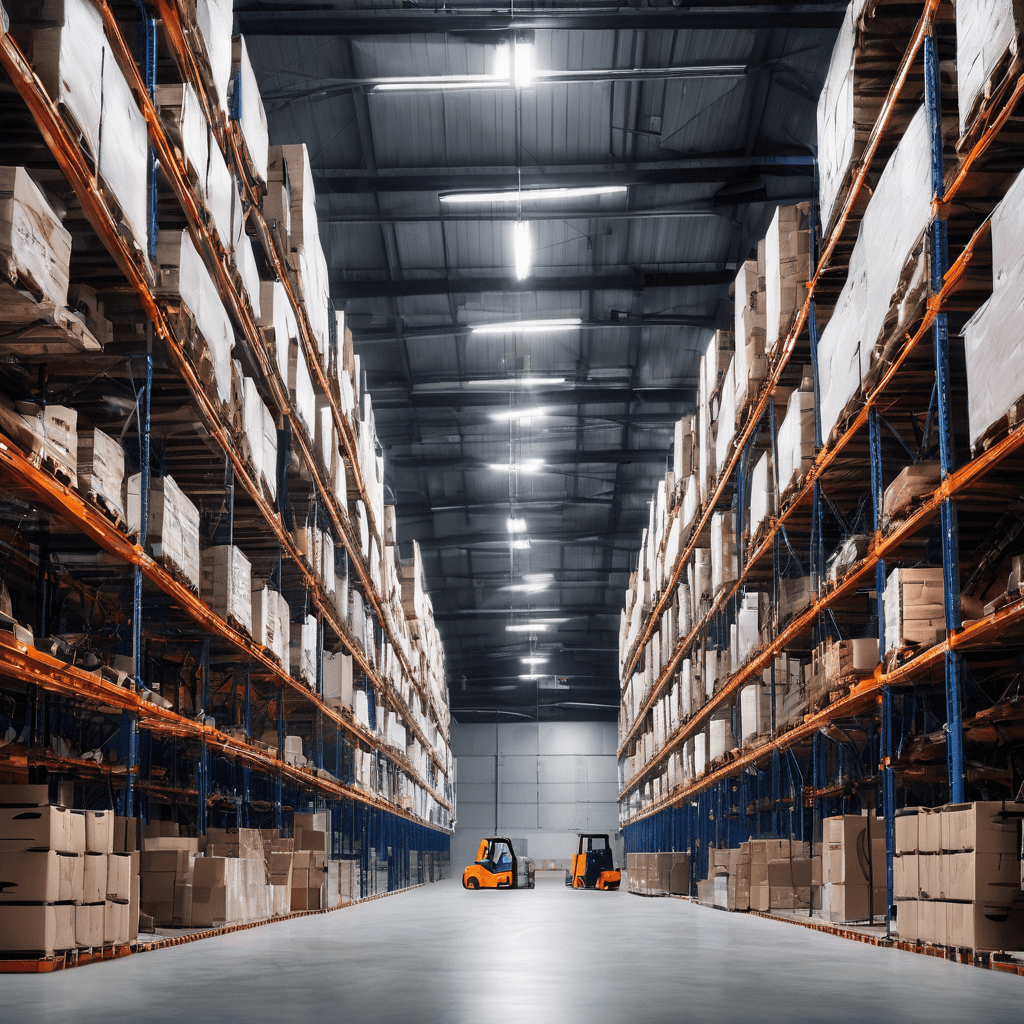
Understanding the Cost of Warehouse Services in Poland
Navigating warehouse costs in Poland feels like a maze. You're not alone. With e-commerce booming, logistics space is at a premium. Prime warehouse vacancy r...
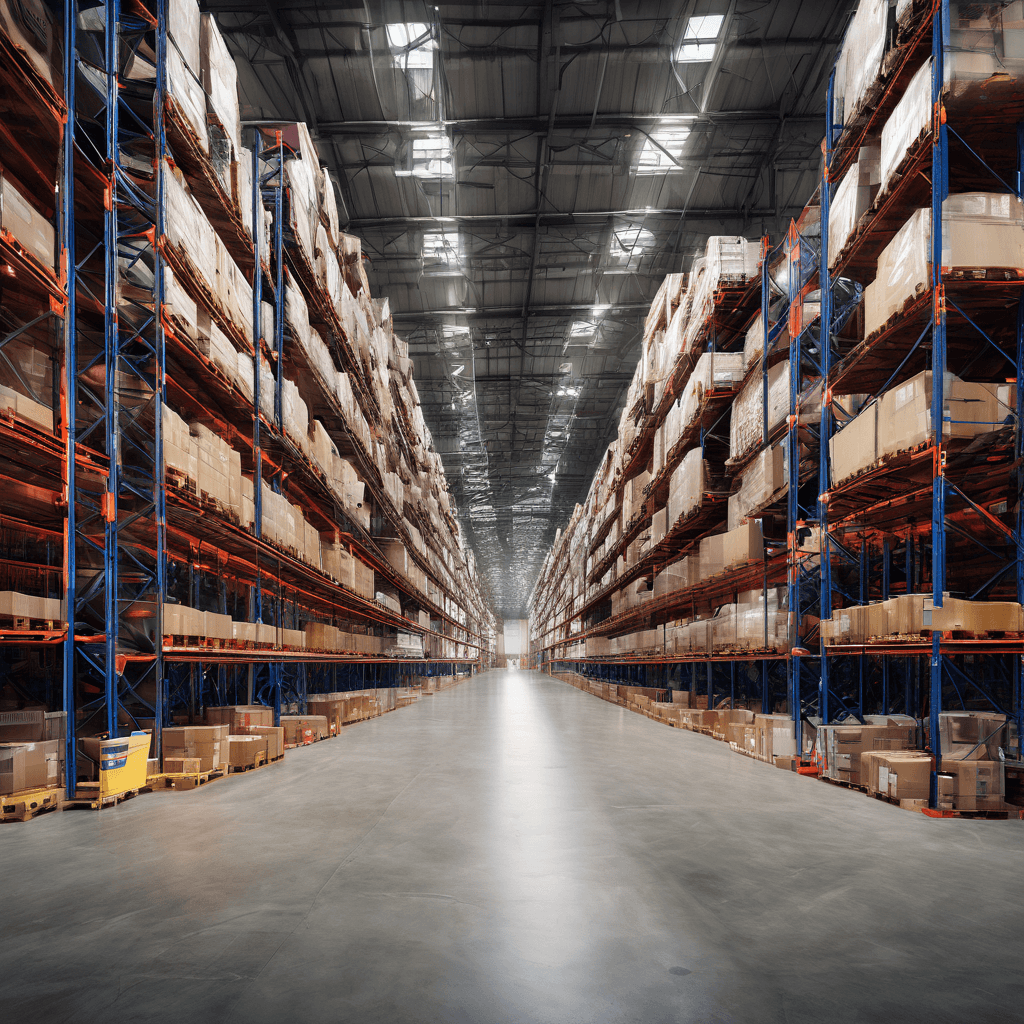
Central Europe Warehouse Hub: A Strategic Logistics Guide
Struggling with supply chain bottlenecks and soaring costs? You're not alone. The logistics map of Europe is being redrawn, with Central Europe emerging as t...
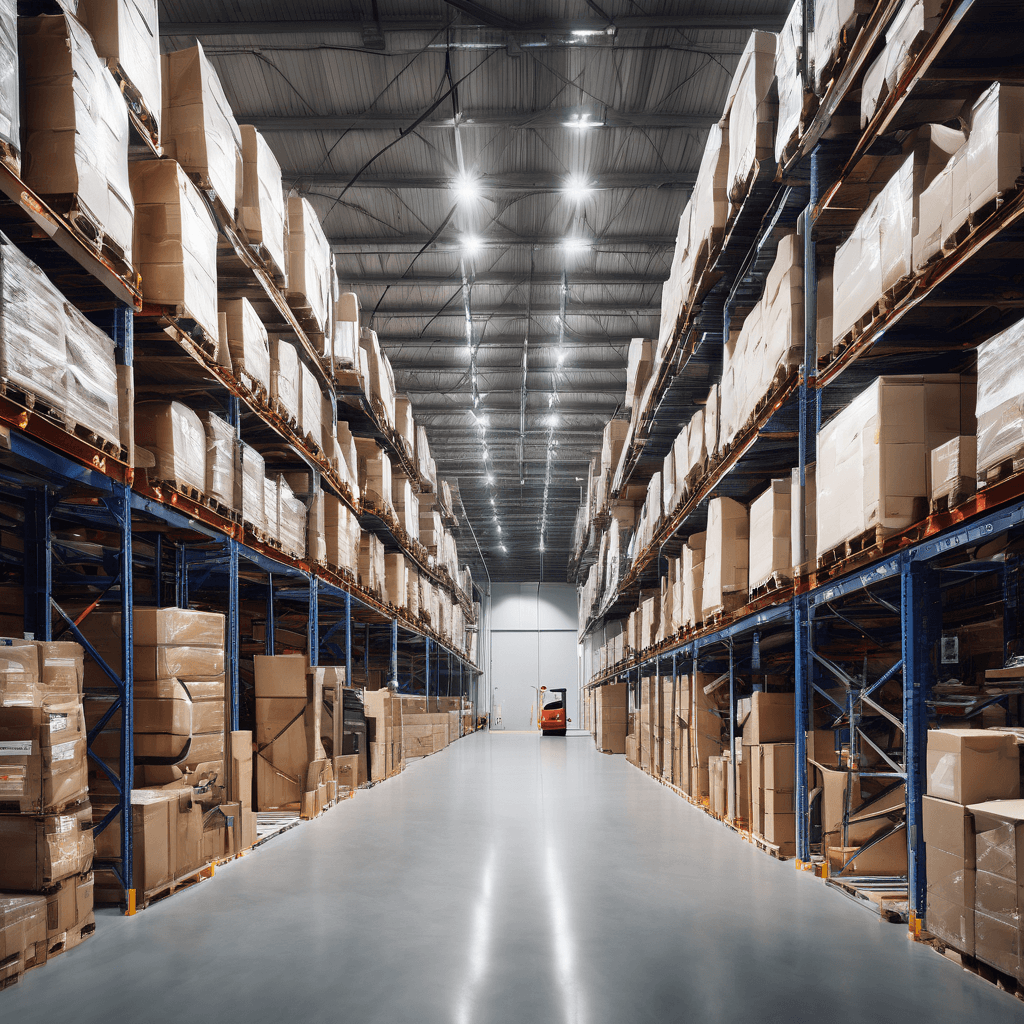
European Warehouse Services in Poland: Your Strategic Hub
Struggling with warehouse delays and spiraling logistics costs? You're not alone. Poland has rapidly become the beating heart of European distribution, with ...