
Best Warehouse Services in Poland: A Complete 2024 Guide
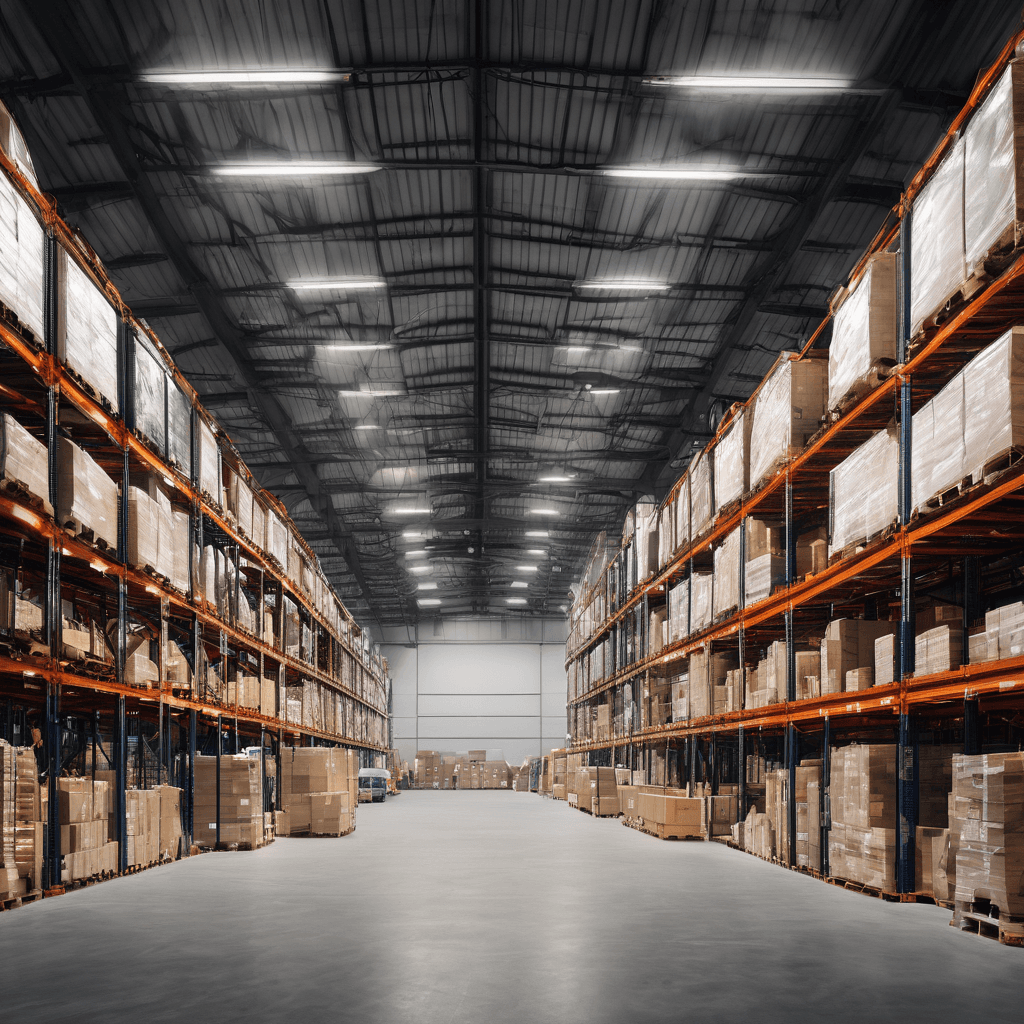
Finding reliable warehouse space in Poland can feel like searching for a needle in a haystack. With e-commerce booming and Poland's logistics sector growing by over 12% annually, the pressure is on. Imagine a sudden surge in orders for your premium skincare line, only to be stalled by delayed shipments from an overstretched facility. That operational nightmare costs you customers and reputation daily. The right partner, however, transforms that chaos into a competitive edge, mastering everything from customs clearance in Gdańsk to last-mile delivery in Warsaw. Let’s cut through the noise and identify the providers who truly understand that your inventory isn't just stock—it's your business, sitting on a shelf.
Why Poland is a Logistics Powerhouse in Europe
Strategically positioned at the very heart of the continent, Poland has cemented its role as a critical logistics hub for pan-European supply chains. This isn't just about being in the middle of a map; it's about tangible, time-sensitive access to hundreds of millions of consumers. Companies leveraging warehouse services here gain a powerful springboard for distribution across the EU.
Strategic Geographic Location
Poland’s central European location is its foundational advantage. Within a single day's drive, trucks can reach major industrial and consumer centers in Germany, the Czech Republic, Slovakia, and the Baltic states. This proximity translates directly into reduced transit times and lower fuel costs. For instance, reaching Berlin from western Poland takes roughly 3 hours, while distribution to Prague or Vienna is often achievable within a day. This central positioning makes Poland an ideal location for distribution centers serving both Western and Eastern European markets efficiently.
Modern Infrastructure & Investment
Decades of significant EU funding, matched by national and private investment, have transformed Poland’s logistical backbone. The country boasts a rapidly expanding network of modern highways, with the total length of expressways and motorways exceeding 4,800 km as of 2024 (based on GDDKiA data). Complementing this is a dense rail network and a growing system of intermodal terminals that seamlessly switch cargo between trucks, trains, and ships. In practice, this means state-of-the-art logistics parks, like those in Panattoni or 7R portfolios, offer facilities that meet the highest international standards for sectors from e-commerce to advanced manufacturing.
Skilled and Cost-Effective Workforce
The economic argument for Poland is compelling. While offering a Western European level of service and quality, operational costs remain highly competitive. This value proposition is amplified by a large, well-educated workforce. Polish universities produce a steady stream of graduates in logistics, engineering, and business, with strong technical skills and increasing foreign language proficiency, especially in English and German.
A quick comparison of key operational cost components illustrates the value (figures are averages and can vary by region):
| Cost Component | Poland (Approx. Monthly) | Western Europe (e.g., Germany) |
|---|---|---|
| Warehouse Staff Salary | €1,200 - €1,800 | €2,500 - €3,500+ |
| Industrial Space Rent (prime logistics park) | €3.5 - €5.5 / sqm | €6.5 - €9.5+ / sqm |
| Industrial Electricity | €0.12 - €0.18 / kWh | €0.25 - €0.35+ / kWh |
This combination of strategic location, cutting-edge infrastructure, and a skilled yet cost-effective labor pool creates a powerful synergy. It’s why global giants from logistics, retail, and manufacturing continue to choose Poland as their central European hub, a trend clearly visible in the record-high take-up of warehouse space reported in local industry reports year after year. For more insights on market trends, check out our latest Blog posts.
Core Types of Warehouse Services Available in Poland
Poland's logistics landscape is incredibly diverse, offering a full spectrum of storage solutions to match any business need. From basic pallet storage to complex, tech-driven supply chain orchestration, understanding the core service types is your first step to optimizing operations.
Contract Logistics & 3PL/4PL
For companies wanting to outsource their entire logistics operation, full-service Third-Party Logistics (3PL) providers are the go-to. They handle the day-to-day grind: receiving your goods, storing them, managing inventory, and executing picking, packing, and shipping. This is a huge operational lift off your shoulders. Stepping up strategically, Fourth-Party Logistics (4PL) services act as a single point of contact and manager for your entire supply chain network. A 4PL doesn't own warehouses or trucks; instead, they design, oversee, and optimize the performance of multiple 3PLs and carriers you're using. Think of them as your outsourced logistics department head.
Public vs. Private Warehousing
This choice boils down to flexibility versus control. Public warehousing is the pay-as-you-go model. You rent space—by the pallet, shelf, or square meter—often on a month-to-month basis with minimal commitment. It's perfect for seasonal peaks, new market testing, or as a buffer. Private warehousing, on the other hand, involves leasing or owning a dedicated facility. You get total control for customization (like specific racking or assembly lines) and brand consistency, but you're locked into a longer lease and responsible for staffing and management. It's a major capital commitment that makes sense for large, stable operations.
| Feature | Public Warehousing | Private Warehousing |
|---|---|---|
| Commitment | Short-term, flexible | Long-term lease (often 5+ years) |
| Cost Model | Variable, operational expense (OpEx) | Fixed, capital expense (CapEx) |
| Control & Customization | Limited to rented space | Full control over entire facility |
| Ideal For | Seasonal demand, startups, overflow | Large enterprises, specialized processes |
Specialized Storage Solutions
Poland's market excels in niche storage, a direct response to its strong manufacturing base. Temperature-controlled storage is a massive sector, with modern facilities offering everything from chilled (+2°C to +8°C) to deep-frozen (-25°C) environments, crucial for the thriving food and pharmaceutical industries. For chemicals or flammable goods, certified hazardous materials (HAZMAT) warehouses provide the essential safety infrastructure, specialized handling, and compliance. Furthermore, bonded (customs) warehouses allow you to store imported goods without paying duties or VAT until they leave for sale, a massive cash flow advantage for international traders. In practice, many top providers now combine these, like a bonded warehouse with climate-controlled zones.
Key Features of Top-Tier Warehouse Providers
When evaluating warehouse partners in Poland, you're not just renting space—you're buying into a logistics ecosystem. The best providers differentiate themselves through a powerful combination of cutting-edge tech, flexible services, and ironclad security protocols. This trifecta directly impacts your operational efficiency, customer satisfaction, and bottom line.
Technology & Warehouse Management Systems (WMS)
A modern Warehouse Management System is the non-negotiable brain of the operation. Top-tier providers use advanced WMS for real-time, 99.9%+ inventory accuracy, which slashes picking errors and keeps stock levels transparent. Integration is key; these systems seamlessly connect with major e-commerce platforms (like Shopify or Magento) and ERP software, creating a unified data flow from your sales channel to the warehouse floor. In practice, this means an order placed online can be in the picking queue within minutes, not hours. Real-time tracking dashboards give you a live pulse on your operations from anywhere.
Value-Added Services (VAS)
Beyond storage and shipping, leading warehouses act as an extension of your production or marketing team. Standard VAS includes:
- Kitting & bundling: Combining products for promotions.
- Custom packaging & personalization: Adding branded inserts, gift messages, or custom labels.
- Returns processing (reverse logistics): Inspecting, restocking, or disposing of returned items efficiently.
These services are crucial for e-commerce brands looking to enhance unboxing experiences or for manufacturers needing light assembly before dispatch. The flexibility here is a major selling point.
Compliance & Security Standards
Operating in the heart of Europe demands rigorous standards. Premier warehouses adhere to EU and Polish regulations, including customs procedures (AEO certification) and quality management systems like ISO 9001. Security is physical and digital: 24/7 monitored CCTV, biometric access controls, and robust cybersecurity for your data are standard. Fire suppression systems and strict health & safety protocols protect your inventory. According to PAIH, Poland's investment appeal is partly due to this reliable, regulated business environment.
| Feature | Basic Provider | Top-Tier Provider |
|---|---|---|
| Inventory Accuracy | ~95-97% | >99.5% |
| Integration Scope | Manual uploads or basic API | Full, automated ERP & e-com sync |
| Security | Fencing & periodic patrols | 24/7 CCTV, biometric access, fire systems |
| Customs Handling | May require 3rd party broker | In-house AEO-certified specialists |
Ultimately, the right partner future-proofs your supply chain. For more insights on optimizing your logistics, explore our Blog.
How to Choose the Best Warehouse Partner for Your Business
Selecting the right warehouse partner in Poland is a strategic decision that directly impacts your operational efficiency and customer satisfaction. Getting it wrong can lead to costly delays and service failures. Here’s a practical framework to guide your choice.
Assessing Your Logistics Needs
Start by getting crystal clear on your own requirements. This isn't just about square meters; it's about the dynamics of your business.
- Storage Volume & Peaks: Calculate your average pallet positions or cubic meter needs, but crucially, factor in peak season spikes. A business selling consumer goods might need 40% more space during the Q4 holiday rush, which many providers can accommodate.
- Order Profile: How complex are your orders? A single-SKU pallet shipment is worlds apart from multi-item e-commerce picking. Define your average lines per order and any special handling needs (e.g., VAS – Value-Added Services like kitting or labeling).
| Complexity Factor | Simple Profile | Medium Complexity | High Complexity |
|---|---|---|---|
| Order Lines | 1-2 items | 3-10 items | 10+ items, frequent kitting |
| Typical Handling | Full pallet in/out | Case picking, some labeling | Individual item pick & pack, extensive VAS |
| Tech Demands | Basic WMS | Integrated WMS with pick paths | Advanced WMS, potential automation |
Evaluating Location & Scalability
Location is about more than a dot on a map. Proximity to key transport arteries (like the A2 motorway), your main suppliers, and your primary customer bases in the DACH region or Central Europe dictates transit times and costs. A warehouse near Wrocław or Poznań, for instance, offers superb access to both German and Polish markets.
Scalability is equally vital. Your chosen partner must demonstrate they can seamlessly scale space and labor up or down with you. Ask specific questions about their process for securing additional temporary space during a product launch or managing a 25% month-on-month growth spurt. Flexibility here is a true test of their operational maturity.
Vetting Provider Reputation & SLAs
Never skip the due diligence. Request client references, specifically from businesses with a similar profile to yours, and ask about problem resolution. Look for detailed case studies on their website or our Blog for real-world applications.
Finally, scrutinize the Service Level Agreement (SLA). This contract should move beyond vague promises to include clear, measurable performance metrics with financial consequences. Key performance indicators (KPIs) to look for include:
- Order Accuracy: Aim for guarantees above 99.5%.
- Same-Day Dispatch Cut-off: A concrete time, e.g., orders before 3:00 PM shipped today.
- Inventory Accuracy: Regular cycle counts guaranteeing 99.9% stock integrity.
In practice, the best partnerships are built on transparent SLAs and a provider's proven ability to adapt, which is why Poland's market, supported by agencies like PAIH, continues to attract sophisticated logistics investment.
Regional Hubs: Where to Locate Your Operations in Poland
Choosing the right regional hub in Poland is a strategic decision that can define your supply chain's efficiency and cost. The country's diverse regions offer distinct advantages, from central logistics clusters to specialized industrial zones.
Central Poland (Łódź, Warsaw)
This region is Poland's undisputed logistics core. Łódź Voivodeship, especially, boasts the highest concentration of modern, big-box warehouses in the country, thanks to its central location and excellent road and rail connections. It's the go-to for pan-European distribution, with major developers constantly expanding the available space. Warsaw, while a pricier location, is unbeatable for national distribution and fast-growing e-commerce operations needing rapid last-mile delivery to the capital's vast consumer market. In practice, many companies use a dual-hub strategy here, combining a central warehouse in Łódź with a smaller fulfillment center near Warsaw.
Western Poland (Poznań, Wrocław)
Western Poland is your gateway to Germany, Europe's largest economy. Locations here provide optimal access to the German market and Berlin, often with transit times under 3 hours. Both Poznań and Wrocław are major hubs for the automotive and advanced manufacturing sectors, supported by a skilled workforce and strong university ties. The warehouse market is mature and competitive.
| Hub | Primary Advantage | Key Sector Focus |
|---|---|---|
| Poznań | Direct access to Berlin & Western Europe | Automotive, FMCG, Retail |
| Wrocław | Connectivity to Czechia & Southern Germany | Manufacturing, Tech, R&D |
Southern Poland (Katowice, Kraków)
The Upper Silesian region, centered on Katowice, is a powerhouse for industrial goods, mining, and heavy industry. It offers a massive, readily available workforce and a dense network of manufacturing suppliers. This makes it ideal for production-linked storage and raw material logistics. Furthermore, its proximity to the Czech and Slovak borders makes it a strategic node for cross-border trade within Central Europe. Kraków adds a dimension of high-tech and business services, attracting a different profile of light industrial and tech logistics needs. Rental rates here can be slightly lower than in the west, but availability of very large, modern facilities is more limited compared to the central region, according to local industry reports.
Future Trends Shaping Warehousing in Poland
The Polish warehousing sector isn't just growing; it's undergoing a fundamental technological and strategic shift. Driven by e-commerce pressure, labor market dynamics, and sustainability goals, the future of logistics here is being built today. Companies seeking the best warehouse services in Poland must look for partners actively investing in these key areas.
Automation & Robotics Integration
Gone are the days of manual-only picking. The high cost and scarcity of labor are pushing widespread adoption of Automated Storage and Retrieval Systems (ASRS) and autonomous mobile robots (AMRs). These systems drastically increase throughput and accuracy, especially for repetitive tasks. For instance, a modern ASRS can handle over 500 pallet movements per hour with near-perfect precision, operating in near-darkness to save energy. AMRs are commonly seen collaborating with human workers, bringing shelves to pick stations—a game-changer for high-volume operations. The initial investment is significant, but the ROI in terms of 24/7 operational capability and error reduction makes it unavoidable for competitive scale.
Sustainability & Green Warehousing
Sustainability is now a core operational metric, not just a marketing slogan. Leading providers are making tangible investments that also cut long-term costs. This includes:
- Installing rooftop solar panels to power operations, with some facilities aiming for energy neutrality.
- Constructing new facilities to BREEAM or LEED standards, utilizing better insulation and LED lighting to slash energy use by up to 40% compared to older sheds.
- Implementing comprehensive waste segregation and moving towards reusable packaging solutions.
- Deploying electric forklifts and installing EV charging stations for both fleet and employee vehicles, a trend strongly supported by local government incentives.
E-commerce Fulfillment Demands
The expectation for rapid delivery is reshaping warehouse networks. To achieve same or next-day delivery across major cities like Warsaw, Kraków, and Wrocław, there's a rising need for strategically located micro-fulfillment centers (MFCs) within urban areas. These compact, highly automated sites act as last-mile hubs. Coupled with this is the critical use of AI and data analytics. Advanced software now predicts local demand spikes, optimizes inventory placement across the network, and plans the most efficient delivery routes in real-time. This isn't futuristic; it's what top-tier services are deploying now to manage the relentless flow of online orders.
| Trend | Key Driver | Example Implementation |
|---|---|---|
| Automation (ASRS/AMR) | Labor costs, accuracy, speed | Robotic pallet shuttles, goods-to-person AMR fleets |
| AI & Data Analytics | Need for speed & efficiency | Predictive stock allocation, dynamic route planning software |
| Micro-fulfillment Centers | E-commerce delivery promises | Small urban warehouses (< 5,000 sqm) for last-mile staging |
In practice, the leaders in the market are those blending these elements—using AI to manage robots in a green building to serve e-commerce clients. The baseline for what constitutes a top warehouse service in Poland has been permanently raised. For more insights on the logistics landscape, check out our Blog.
Conclusion
Selecting the right warehouse partner in Poland isn't just about finding storage space; it's about forging a strategic alliance that propels your business forward. The ideal choice hinges on a careful balance of geographic positioning, service scope, technological capability, and overall cost-effectiveness. Get this balance right, and you unlock a streamlined supply chain that directly boosts customer satisfaction through faster, more reliable deliveries.
Making Your Strategic Decision
Your due diligence process is critical. Start with clear communication about your current needs and growth projections. Don't just look at price per pallet—scrutinize the full picture. For example, a provider with slightly higher base storage fees might offer far better value through integrated services, as seen in the table below comparing common service bundles.
| Service Bundle | Typical Monthly Cost (for 100 pallets) | Key Inclusions | Best For |
|---|---|---|---|
| Basic Storage | €1,500 - €2,200 | Receiving, storage, loading | Businesses with their own management systems |
| Storage & Handling | €2,300 - €3,500 | + Pick & pack, labelling, returns | E-commerce and retail distributors |
| Full-Service Logistics | €3,800+ | + Inventory management, transport orchestration, IT integration | Companies expanding into EU markets |
Visit potential sites, ask for client references, and ensure their tech can talk to your systems. This groundwork is the bedrock of a successful, long-term partnership.
The Competitive Edge of Polish Logistics
Poland’s real strength lies in its role as a powerhouse logistics hub. The country's robust infrastructure—from modern highways to key rail connections—and a highly skilled, yet cost-competitive workforce create a reliable gateway to the entire European market. According to PAIH and local industry reports, the sustained investment in transport networks continues to slash transit times to major German cities to under 48 hours, a key advantage.
Looking ahead, staying informed on trends is non-negotiable. The rapid adoption of warehouse automation and a strong shift toward sustainable operations, like solar-powered facilities, are not just buzzwords but concrete ways to future-proof your logistics. By partnering with a forward-thinking Polish provider, you gain more than a warehouse; you secure a dynamic asset that drives efficiency and scales with your ambition. For more insights on navigating the European market, explore our Blog.
Frequently Asked Questions (FAQ)
What are the average costs for warehouse services in Poland?
Warehouse costs in Poland really depend on what you need. You'll usually see pricing per pallet per month or per square meter. For a standard pallet position in a major logistics hub like Warsaw or Poznań, expect roughly €4–€8 per month. Square meter rates often range from €2.5–€5. Remember to factor in handling fees for receiving, picking, and shipping, which can add €3–€8 per pallet move. Your best move is to get quotes from a few providers, clearly stating your volume, how often you access stock, and any extra services you need.
How does customs clearance work with Polish warehouses?
When you ship goods from outside the EU to a bonded warehouse in Poland, they aren't cleared through customs until they leave the warehouse for final delivery. This lets you postpone paying VAT and duties. A good provider will handle the entire clearance process for you once you're ready to ship to your customer. For example, they'll submit the customs declaration, calculate the owed taxes (say, 23% Polish VAT plus any import duty), and pay them on your behalf, simplifying everything into one service. Just make sure your commercial invoice and packing list are accurate.
Can I find warehouse services for e-commerce fulfillment in Poland?
Yes, absolutely. Poland has become a major hub for e-commerce fulfillment, with many logistics providers offering exactly what you need. You can easily find warehouses that specialize in pick-and-pack, returns handling, and direct integration with platforms like Allegro, Amazon, and Shopify. For a strong example, check out providers like Fulfillment Lab or Rhenus Logistics, which are set up for this. My advice is to shortlist a few, then ask specifically about their software connections and minimum monthly order volumes to find the best fit for your scale.
What is the difference between 3PL and 4PL in Poland?
The main difference is that a 3PL in Poland physically handles your logistics—like storing your goods in their warehouse and shipping them. A 4PL doesn’t own those assets; instead, they manage and optimize your entire supply chain, coordinating multiple 3PLs and other partners. Think of a 3PL as your hands-on operator and a 4PL as your strategic logistics brain. For example, if you’re selling online, a 3PL picks and packs your orders, while a 4PL would analyze data to choose the best 3PL, manage freight costs, and improve delivery times across Europe. Choose a 3PL for execution, a 4PL for overall strategy and integration.
Are there English-speaking warehouse staff and management in Poland?
Yes, absolutely. English is very common in Polish logistics, especially in larger cities and modern facilities. It's standard for warehouse management and key operational staff to speak English fluently to coordinate with international clients. For example, in major hubs like Warsaw or Poznań, you can expect core teams to have strong English skills. When contacting potential partners, simply ask directly about their English-speaking capabilities—reputable services will confirm this upfront and often assign a dedicated English-speaking contact for your account.
Related Articles
Understanding the Cost of Warehouse Services in Poland
Navigating warehouse costs in Poland feels like a maze. You're not alone. With e-commerce booming, logistics space is at a premium. Prime warehouse vacancy r...
Central Europe Warehouse Hub: A Strategic Logistics Guide
Struggling with supply chain bottlenecks and soaring costs? You're not alone. The logistics map of Europe is being redrawn, with Central Europe emerging as t...
European Warehouse Services in Poland: Your Strategic Hub
Struggling with warehouse delays and spiraling logistics costs? You're not alone. Poland has rapidly become the beating heart of European distribution, with ...