
Polish Warehouse Logistics: A Strategic Guide for Business
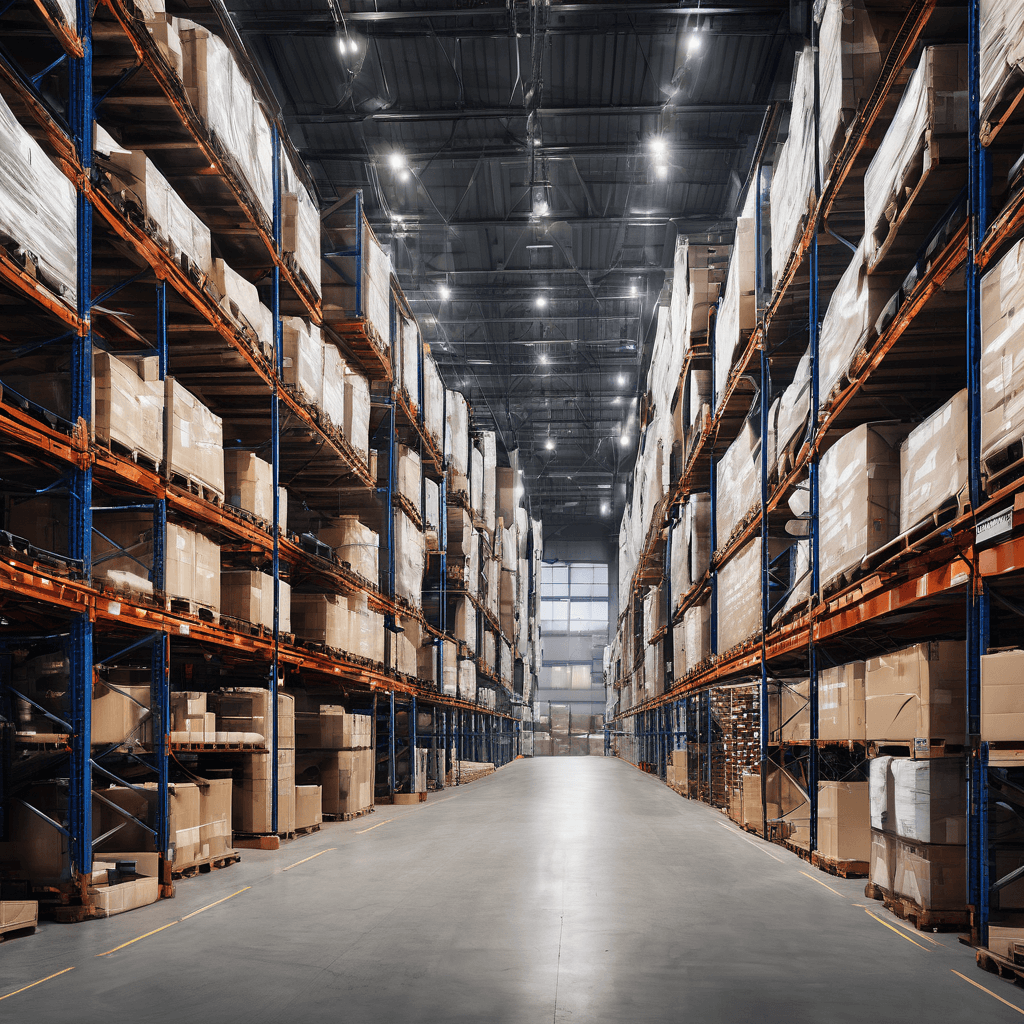
Poland’s warehouse market is booming, yet many logistics managers are hitting a wall. They’ve secured space, but operational costs are spiraling. The country now boasts over 30 million square meters of modern logistics space, a figure that has doubled in just seven years. This growth is a double-edged sword. Imagine your e-commerce operation struggling with last-mile delivery from a Warsaw hub because local infrastructure can’t keep pace with demand. Simply having a footprint in Central Europe’s logistics heart isn’t enough anymore. The real game has shifted from mere expansion to mastering a complex new set of rules for efficiency and resilience. Here’s how the leaders are quietly rewriting the playbook.
Core Components of Modern Polish Warehousing
The Polish warehousing landscape is no longer just about four walls and a roof. It's a sophisticated ecosystem designed for speed, efficiency, and resilience, directly fueled by the country's central European location and booming e-commerce. Modern facilities are segmented to serve distinct market needs, while technology is no longer a luxury but a baseline expectation for staying competitive.
Types of Warehouses and Storage Solutions
Today's market offers a tailored fit for every business size and sector. At the top end, Big-Box logistics centers dominate major transport corridors, with spaces often exceeding 100,000 sqm and serving global retailers and manufacturers. For small and medium-sized enterprises (SMEs), a thriving segment of smaller, flexible units (5,000-20,000 sqm) provides scalable space without the long-term commitment of a giant facility. A critical and growing niche is specialized cold storage, essential for Poland's robust agri-food sector and pharmaceutical distribution, featuring multi-temperature zones and advanced monitoring.
Developers are proactively meeting demand through two main strategies. Speculative ("spec") developments continue to provide readily available space, but the Build-To-Suit (BTS) model is surging. This approach allows tenants—from automotive to e-commerce giants—to customize everything from column spacing and ceiling height to specialized loading docks from the ground up, ensuring the facility is a perfect match for their operational workflow.
Essential Technology and Automation
The backbone of any modern warehouse is its software. The near-ubiquitous adoption of advanced Warehouse Management Systems (WMS) and their integration with Enterprise Resource Planning (ERP) platforms creates a single source of truth, optimizing inventory control, order picking routes, and labor management in real-time. On the physical floor, automation is scaling rapidly. While conveyor systems and sorters are standard in larger distribution centers, robotics is the new frontier.
| Automation Type | Common Application | Typical ROI Consideration |
|---|---|---|
| Conveyor & Sortation | Parcel routing, cross-docking | High-volume facilities (>50k orders/day) |
| Autonomous Mobile Robots (AMRs) | Goods-to-person picking, pallet transport | Labor-intensive, variable order profiles |
| Automated Storage/Retrieval (AS/RS) | High-density pallet/case storage | Maximizing cubic space in high-rent areas |
In practice, you'll often see a hybrid approach, with AMRs working alongside staff to cut walking time and reduce errors. Beyond efficiency, sustainability is now a core component. Modern builds almost universally feature LED lighting and motion sensors, with a significant portion incorporating solar panels on vast rooftops. Rainwater recovery systems for sanitation and truck washing are becoming a common sight, driven by both environmental responsibility and long-term cost savings, as highlighted in recent local industry reports. For more insights on market trends, check out our Blog.
Key Logistics Hubs and Regions in Poland
Poland's strategic position in Europe is underpinned by a network of highly developed logistics hubs, each with distinct advantages for different supply chain needs. The market is dominated by the so-called 'Big Five': Warsaw, Upper Silesia (Katowice), Central Poland (Łódź), Poznań, and Wrocław. These regions collectively account for the vast majority of modern warehouse stock, but their characteristics and costs differ significantly.
Central Poland: The 'Warehouse Heartland'
Łódź Voivodeship is the undisputed leader, often called the country's logistics center of gravity. Its biggest draw is unparalleled connectivity, sitting at the crossroads of the A1 and A2 motorways, which link Berlin to Warsaw and the Baltic to the Czech Republic. This makes it a perfect pan-European distribution base. In practice, you'll find massive, build-to-suit developments here, with giants like Panattoni and Prologis operating huge parks. Available space often exceeds other regions, but prime locations are getting tighter. Rental rates, while competitive, reflect its premium positioning.
Major Urban and Border Regions
The other 'Big Five' hubs serve critical, sometimes overlapping, functions. Warsaw is the key domestic consumption market, driving demand for city logistics and last-mile facilities. Upper Silesia is an industrial powerhouse with a massive local workforce. Poznań excels in western Poland distribution, while Wrocław in Lower Silesia is a prime gateway to Germany and the Czech Republic. Speaking of borders, Pomerania, with ports in Gdańsk and Gdynia, is crucial for Baltic Sea and Scandinavian trade. The growth of e-commerce is pushing last-mile warehouses into the fringes of all major cities, a trend that shows no sign of slowing down.
Rental costs and availability tell the story of demand. Warsaw commands the highest prices due to land scarcity and intense competition for last-mile sites. Border regions like Lower Silesia and Central Poland offer slightly better value but are seeing upward pressure. Here’s a snapshot of the current landscape based on local industry reports for early 2024:
| Region | Avg. Prime Rent (€/sqm/month) | Key Specialization |
|---|---|---|
| Warsaw | €5.50 - €6.50 | City logistics, last-mile, corporate HQs |
| Central Poland (Łódź) | €4.00 - €4.50 | Pan-European distribution, big-box logistics |
| Wrocław (Lower Silesia) | €4.20 - €4.80 | Manufacturing, cross-border to DE/CZ |
| Poznań | €4.00 - €4.60 | Regional distribution, light manufacturing |
| Upper Silesia | €3.80 - €4.40 | Industrial supply chain, heavy logistics |
Availability can vary quarter to quarter, but vacancy rates generally remain low, under 6% in the tightest markets. For the latest insights on these dynamic markets, check out our Blog. The overall picture is one of a mature, diversified market where choosing the right hub depends entirely on whether your priority is continental access, local market penetration, or port connectivity.
Navigating Legal and Operational Considerations
Establishing a warehouse operation in Poland requires a keen understanding of both legal frameworks and day-to-day operational realities. For foreign entities, getting these elements right is the difference between smooth sailing and costly disruptions.
Regulatory Framework and Incentives
Navigating Polish commercial law is the first critical step. Foreign companies can operate freely, but understanding property rights and lease agreements is non-negotiable. Leases for logistics facilities are typically long-term, often 10-15 years, with clear service charge breakdowns. Crucially, Poland offers significant financial incentives, particularly within its 14 Special Economic Zones (SEZs). Here, businesses can benefit from corporate income tax (CIT) exemptions, sometimes up to 100% of investment costs, depending on location and project scale. Beyond SEZs, numerous EU-funded grants support automation and green logistics upgrades.
Taxation and customs are equally pivotal. Poland’s standard VAT rate is 23%, and the CIT rate sits at 19% (with a lower 9% rate available for small taxpayers under certain conditions). For companies moving goods across borders, utilizing customs procedures like customs warehouses can defer duties and simplify transit. Partnering with a local tax advisor isn't just recommended; it's essential to navigate these rules efficiently.
| Key Incentive Comparison | Special Economic Zones (SEZs) | EU Grants (e.g., Smart Growth) |
|---|---|---|
| Primary Benefit | CIT exemption based on investment value & jobs created | Non-repayable cash for R&D, automation, and infrastructure |
| Typical Value | Up to 100% of eligible costs | Can cover 30-70% of project costs |
| Best For | Large-scale greenfield or brownfield logistics investments | Modernizing existing operations, implementing new technologies |
Labor Market and Operational Best Practices
Poland's warehouse labor market is competitive, with unemployment often below 5% in key logistics hubs like Central Poland (Łódź Voivodeship) according to local industry reports. Effective recruitment now means looking beyond salary. Offering shift flexibility, clear career paths, and performance bonuses are common strategies to attract and retain staff. In practice, investing in continuous training not only boosts productivity but significantly improves retention rates.
Operational success hinges on a steadfast commitment to health and safety standards, known as BHP (Bezpieczeństwo i Higiena Pracy). Regular audits and mandatory training aren't just legal checkboxes; they prevent costly accidents and downtime. Fostering a culture where safety and efficiency go hand-in-hand is the real trick. This involves clear process documentation, empowering team leaders on the floor, and leveraging data from warehouse management systems to continuously refine workflows. The most successful operations treat their staff as their most valuable asset, creating an environment where efficiency gains are sustainable. For more insights on market trends, check our Blog.
Trends Shaping the Future of Polish Logistics
The Polish logistics sector is no longer just about square meters and cranes; it's rapidly evolving into a sophisticated, tech-driven backbone for European trade. Driven by e-commerce, nearshoring, and a push for resilience, the market is embracing trends that prioritize sustainability, digital intelligence, and flexible design to stay ahead.
Sustainability and Green Warehousing
The demand for ESG-compliant facilities is skyrocketing. Tenants, often bound by corporate sustainability goals, actively seek warehouses with BREEAM or LEED certification. This isn't just about solar panels on the roof—though Poland is a leader in photovoltaic installations for logistics in CEE. It encompasses the entire building lifecycle: from sustainable construction materials and energy-efficient LED lighting with motion sensors to advanced water recycling systems and electric vehicle charging stations. In practice, developers report that certified buildings achieve higher occupancy rates and can command rental premiums, making green construction a smart business move, not just a regulatory one.
Digitalization and the Smart Warehouse
Inside these modern sheds, a silent digital revolution is optimizing every move. IoT sensors track inventory in real-time, monitor temperature for sensitive goods, and even manage energy consumption floor by floor. This flood of data, analyzed by AI platforms, enables predictive maintenance—fixing a conveyor belt motor before it fails, avoiding costly downtime. For example, AI-driven warehouse management systems (WMS) dynamically optimize picking routes, which is crucial for handling the vast SKU counts and rapid turnover demanded by e-commerce. The integration capability is key, connecting everything from the WMS to transportation management systems for seamless multi-modal coordination.
Beyond green buildings and software, structural shifts are redefining the landscape. E-commerce’s exponential growth forces a redesign of spaces: higher ceilings for dense robotic storage, more cross-docking zones, and dedicated returns processing areas. Simultaneously, companies are building resilience by nearshoring production to Poland and Central Europe, diversifying suppliers, and opting for flexible warehouse layouts that can be quickly reconfigured. This shift, supported by data from PAIH, shows a significant increase in manufacturing-related logistics projects. Multi-modal transport is getting a major boost, too, with strategic investments in intermodal terminals that connect efficient road networks with greener rail options for long-haul, cutting costs and carbon footprints.
| Trend | Key Driver | Example Impact |
|---|---|---|
| Green Certification | Tenant Demand & ESG Goals | BREEAM/LEED-certified stock is growing rapidly, with potential rental premiums. |
| Warehouse Digitalization | Efficiency & E-commerce | AI for predictive maintenance can reduce equipment downtime by up to 30% (local industry reports). |
| Multi-modal Expansion | Cost & Sustainability | Using rail for long-haul can cut transport emissions by over 70% compared to road-only (Eurostat). |
Ultimately, the future of Polish logistics hinges on integration—merging physical assets with digital twins and sustainable principles to create supply chains that are not only faster and cheaper, but also smarter and more robust. For more insights on the market's evolution, check out our Blog.
Choosing the Right Logistics Partner in Poland
Selecting a logistics partner in Poland is a strategic decision that can define your operational efficiency and market competitiveness. The right provider acts as an extension of your business, navigating the complexities of Central European supply chains. Asking the right questions upfront separates the contenders from the pretenders.
Criteria for Selecting a 3PL/4PL Provider
Focus your evaluation on three core areas: network, tech, and experience. First, scrutinize their physical footprint. Do they have a single warehouse or a strategically connected network across Poland? A partner with facilities near key transport corridors like the A2 motorway or the Tri-City port can slash transit times. Second, demand a walkthrough of their technology stack. Real-time inventory visibility, WMS integration with your e-commerce platform, and API capabilities are non-negotiables for modern retail. Third, dig into their industry-specific know-how. Handling pharmaceuticals requires different certifications and processes than automotive parts or fast-moving consumer goods.
Scalability is another critical factor. Your needs in a launch phase differ vastly from peak season demands or a planned market expansion. A flexible partner should offer adaptable contract terms and the ability to quickly scale storage space up or down. In practice, we commonly see businesses start with a dedicated 500 pallet space and scale to over 2,000 within a year during growth spurts.
Don't just take their word for it. Evaluate their Polish market track record, financial stability, and insist on speaking to current client references. A provider's longevity and reputation, often highlighted in local industry reports, are strong indicators of reliability.
The Value of Contract Logistics
Outsourcing to a specialized Third-Party Logistics (3PL) provider delivers tangible benefits. It converts fixed capital expenditure into variable operational costs, leading to direct savings on infrastructure, labor, and technology. You gain immediate access to sector expertise and best practices, allowing your team to refocus on core activities like product development and marketing. For many SMEs, this is the most efficient path to establishing a robust Polish operation without the heavy lift.
| Consideration | 3PL (Operational Partner) | 4PL (Strategic Lead) |
|---|---|---|
| Core Role | Executes storage, picking, transport | Manages & integrates multiple 3PLs and carriers |
| Best For | Companies needing to outsource logistics functions | Businesses seeking complete, optimized supply chain oversight |
| Control Level | Tactical, day-to-day operations | Strategic, end-to-end design and management |
So, when does a Fourth-Party Logistics (4PL) model make sense? Consider it when you need a single point of accountability for a complex, multi-vendor supply chain. A 4PL acts as your strategic quarterback, designing and managing the entire network, integrating technology across various 3PLs, and driving continuous optimization. This holistic approach is becoming more relevant for large enterprises or those with intricate international flows into and out of Poland.
Ultimately, the choice hinges on your internal capabilities and strategic goals. A detailed assessment of potential partners against these criteria will point you toward a collaboration that drives growth, not just manages storage. For more insights on the Polish market, explore our Blog.
Conclusion
Poland has cemented its status as a premier logistics hub, offering a rare blend of geographical advantage, cost efficiency, and a skilled workforce. Its central European location provides unparalleled access to key markets, with over 100 million consumers within a day's drive. While labor and operational costs are rising, they remain highly competitive against Western Europe, often 20-30% lower for comparable services. The market's maturity is evident in the quality of modern facilities and the rapid adoption of automation. For businesses, this isn't just about finding storage space; it's about securing a strategic asset for European growth.
Strategic Summary and Final Recommendations
Success here hinges on treating your entry as a long-term investment, not a simple procurement. A few critical steps make all the difference:
- Location is everything. Don't just pick a city; analyze your supply chain arteries. The choice between a major hub like Warsaw or Łódź and an emerging region like Eastern Poland depends entirely on your primary transport routes and customer concentration.
- Partner selection requires boots on the ground. Vetting logistics operators in person is crucial. Look for partners with a proven tech stack and scalability, not just the cheapest price. In practice, the most reliable firms demonstrate clear data-sharing capabilities and proactive communication.
- Navigate regulations early. Engage local legal expertise to handle zoning, environmental permits, and complex labor laws. This upfront diligence prevents costly delays later.
The Outlook for Polish Warehouse Logistics
The market is evolving from a pure cost-play to an innovation-driven sector. Future growth is tied to two key trends: technological integration and sustainability. Leading operators are investing in Warehouse Management Systems (WMS), robotics, and data analytics to boost efficiency. Simultaneously, green building certifications (like BREEAM) and EV fleets are becoming standard expectations, not luxuries, driven by both regulations and corporate ESG goals. According to local industry reports, demand for modern, sustainable warehouse space is projected to grow by 8-10% annually through 2025.
Ultimately, leveraging Polish warehouse logistics effectively means integrating it into your core European strategy. The market's robust infrastructure, ongoing investment, and skilled talent pool provide a formidable platform for expansion. For a deeper dive into market trends, explore our insights on the Blog. Positioning your operations in Poland today is a decisive move for resilience and competitiveness in the European marketplace tomorrow.
Frequently Asked Questions (FAQ)
What are the main advantages of using Poland for warehouse logistics?
Poland's biggest advantage is its central location in Europe—you can reach major markets like Germany, Czechia, or even the Baltics within 1-2 days by road. Costs are still very competitive compared to Western Europe, with warehouse rates often 30-50% lower. The workforce is skilled and the infrastructure is modern; just look at the growing logistics parks around cities like Poznań or Wrocław. For a practical start, consider a contract logistics partner there to handle your storage and distribution without a huge upfront investment.
Which cities in Poland have the largest warehouse markets?
For a distribution center in Poland, focus on the major logistics hubs around the largest cities. Warsaw and its surrounding region (like Łódź) are the biggest market, central for nationwide distribution. Upper Silesia (Katowice/Gliwice area) is key for southern Poland and connections to Central Europe. Poznań and Wrocław are major players in the west, with great links to Germany. For example, the Warsaw market alone has over 6 million sqm of modern warehouse space. Your best bet is to look at the outskirts of these cities along major motorways like the A2 or A4 for the best access.
How much does it cost to rent warehouse space in Poland?
The cost to rent warehouse space in Poland varies a lot by location and quality. For a modern, big-box warehouse in a major logistics hub like Central Poland (e.g., Łódź, Warsaw), you might pay around €3.50 to €4.50 per square meter per month. In smaller cities or for older facilities, prices can drop to €2.50-€3.50. Your total budget should also include service charges, which can add another €0.50-€1.00. It's best to contact a few local agents with your specific size and location needs to get precise quotes, as the market changes quickly.
What is the difference between a 3PL and a 4PL provider in Poland?
Here’s the simple breakdown. A 3PL in Poland is a company that physically handles your logistics—like storing your goods in their warehouse near Wrocław and shipping them out. You manage the relationship and coordination. A 4PL acts as your single point of contact, managing multiple 3PLs and the entire supply chain for you. Think of it this way: if you’re using three different 3PLs across Poland, a 4PL would optimize and oversee all of them. Choose a 3PL for hands-on logistics; choose a 4PL if you want to outsource the entire supply chain management.
Are there government incentives for logistics investment in Poland?
Yes, Poland offers several government incentives for logistics investments, which can significantly reduce your setup costs. The most attractive is the Polish Investment Zone, which offers income tax exemptions—up to 55% of your investment value in some regions—for 10-15 years. For large projects, you can also apply for direct grants from the Polish Investment and Trade Agency. Your first step should be to check the specific support maps for Special Economic Zones, as the benefits vary by location, with eastern Poland often having the highest available aid. It's very much worth exploring.
Related Articles
Understanding the Cost of Warehouse Services in Poland
Navigating warehouse costs in Poland feels like a maze. You're not alone. With e-commerce booming, logistics space is at a premium. Prime warehouse vacancy r...
Central Europe Warehouse Hub: A Strategic Logistics Guide
Struggling with supply chain bottlenecks and soaring costs? You're not alone. The logistics map of Europe is being redrawn, with Central Europe emerging as t...
European Warehouse Services in Poland: Your Strategic Hub
Struggling with warehouse delays and spiraling logistics costs? You're not alone. Poland has rapidly become the beating heart of European distribution, with ...