
Quality Control Services in Portland, Oregon: A Complete Guide
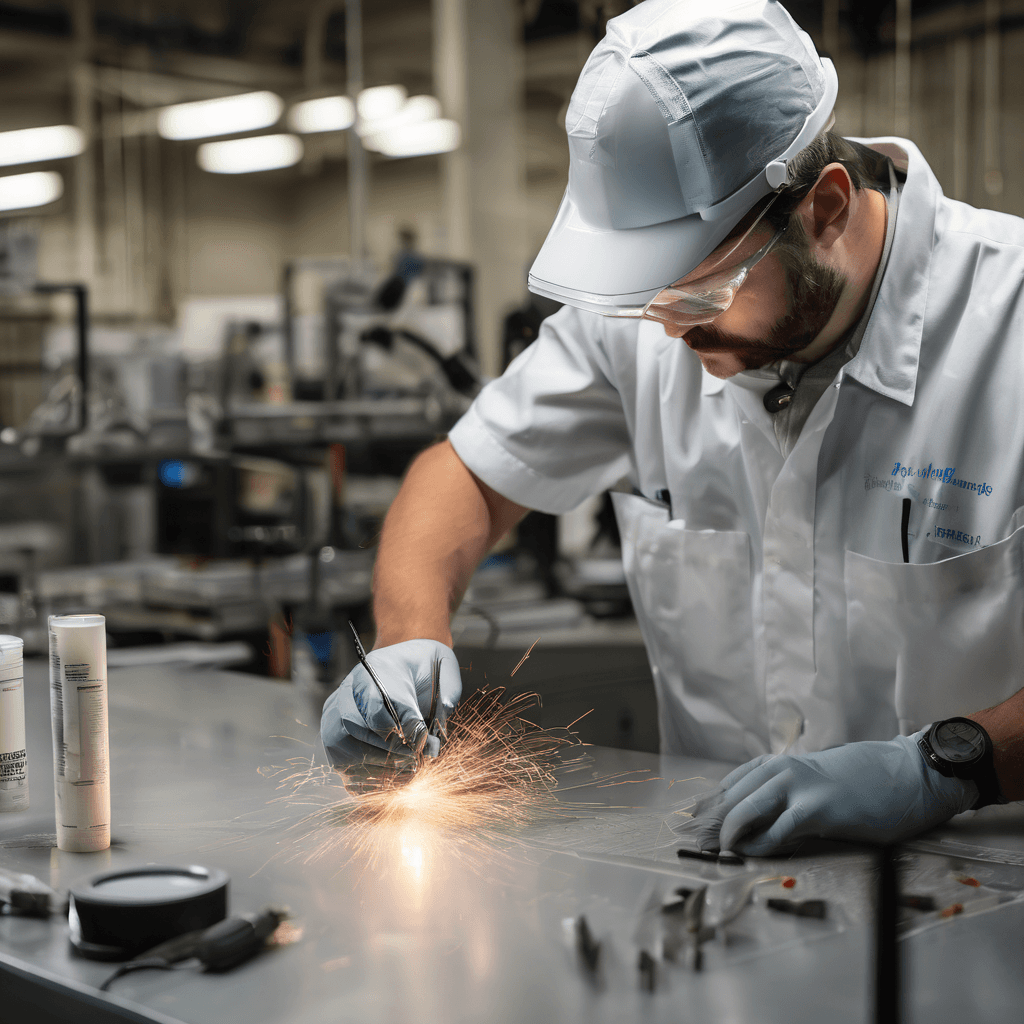
Your new product line is ready for launch, but a critical component keeps failing. This isn't just a headache; it's a direct threat to your brand's reputation and bottom line. In Portland's competitive manufacturing landscape, a single quality lapse can cost you a major contract. Consider a local craft brewery that recently faced a nightmare: a supplier's faulty seal led to a costly, brand-damaging recall. They're not alone. Recent industry analysis shows that robust quality control can reduce production waste by up to 20%, directly boosting profitability. You need more than a checklist; you need a strategic partner who understands Oregon's unique business ecosystem. Let's explore how the right quality control service transforms this operational risk into your most reliable competitive edge.
What Are Quality Control Services and Why Are They Vital?
In today's hyper-competitive market, quality control services are the unsung hero ensuring a product's journey from blueprint to customer is flawless. At its core, QC is a systematic process of checking and verifying that a product or service meets a defined set of standards and specifications. This isn't just about spotting a defective item on a line; it's a proactive strategy woven into every stage of production. For Portland businesses, this systematic approach is non-negotiable.
Defining Modern Quality Control
Modern QC has evolved far beyond simple final inspection. It's a multi-stage approach that typically includes:
- Incoming Quality Control (IQC): Verifying raw materials and components from suppliers.
- In-Process Quality Control (IPQC): Monitoring production stages to catch errors early.
- Final Random Inspection (FRI): A statistical sampling of finished goods before shipment.
- Pre-Shipment Inspection: A comprehensive audit of packed goods against the purchase order.
This layered system effectively bridges the gap between a designer's intent and the final product delivered to a customer's doorstep.
The Business Impact of QC
The financial stakes of skipping QC are enormous. Effective quality control directly protects a company's bottom line and reputation by:
- Reducing waste and rework costs, which can eat up 15-20% of sales revenue according to local industry reports.
- Preventing catastrophic recalls that can cost millions and irreparably damage brand trust.
- Enhancing customer satisfaction and loyalty, turning buyers into repeat advocates.
Consider the difference a QC program makes:
| Scenario | Without Professional QC | With Professional QC |
|---|---|---|
| Defect Rate | 8-12% (industry average) | 2% or less |
| Customer Return Rate | High, leading to loss | Minimized, preserving margin |
| Brand Risk | Vulnerable to public failures | Protected and enhanced |
Why Portland Businesses Need It
Portland's unique economic ecosystem makes QC a competitive necessity, not an optional extra. The city's diverse manufacturing, from precision metalworking and athletic wear to craft food and beverage, faces intense scrutiny from a consumer base that values sustainability and craftsmanship. A single batch of flawed organic canned goods or a substandard tech component can spread across social media instantly. Furthermore, adhering to both stringent local regulations and the high expectations of Pacific Northwest consumers demands verifiable, documented quality. In practice, a Portland outdoor apparel brand can't afford waterproof jacket failures, and a local distillery's reputation hinges on consistent flavor. Quality control services provide the documented assurance that these businesses are delivering on their promises.
Types of Quality Control Services Available in Portland
Portland's manufacturing and production landscape is diverse, demanding equally varied quality control solutions. From ensuring a microbrew's consistency to verifying aerospace components, local QC services offer a critical shield against defects, recalls, and compliance failures. Here’s a breakdown of the primary services available.
Inspection & Testing Services
This is the hands-on core of QC, focusing on the product itself. Pre-shipment inspections are the final gatekeeper, checking a random sample—often following the AQL (Acceptable Quality Level) standard—against your specifications before goods leave the warehouse. During-production inspections, however, catch issues early, potentially saving thousands of dollars in rework. For tangible verification, material testing is huge. Think soil compaction tests for a new commercial build on the Willamette or lab analysis for a food cart's hot sauce to ensure pH and microbial safety. A local industry report from 2024 noted that material failures accounted for nearly 30% of construction project delays in the region, underscoring its importance.
| Service Type | Typical Stage | Common Industries | Key Metric |
|---|---|---|---|
| During-Production Inspection | Mid-production run | Apparel, consumer goods | Early defect detection rate |
| Pre-Shipment Inspection | 100% order completion | Electronics, furniture | AQL pass/fail result |
| Material/Lab Testing | Raw material intake or final product | Food & Beverage, Construction | Compliance with ASTM/ISO lab standards |
Process Auditing & Compliance
Quality isn't just about the product; it's about how it's made. Supplier audits dive deep into a vendor's operations, assessing their financial health, ethical sourcing, and internal QC systems—vital for Portland businesses with complex supply chains. Compliance checks ensure operations meet rigorous standards. This could mean OSHA safety protocols on a fabrication shop floor or ISO 9001 certification for a tech company's processes. In practice, many local breweries, for instance, pursue audits for food safety standards like SQF to secure distribution deals with major retailers.
Specialized Industry QC
Portland's unique economic ecosystem has bred niche QC expertise. Software QA and testing services are massive, supporting the city's tech scene with everything from functionality checks to user experience testing. For physical goods, you'll find experts who know the specific tolerances for CNC machined parts or the stitch-per-inch standards for outdoor apparel. The craft beverage industry, naturally, has its own suite of services, including:
- Carbonation and dissolved oxygen testing for beer.
- Label compliance review for TTB (Alcohol and Tobacco Tax and Trade Bureau) regulations.
- Sensory panel analysis to ensure batch-to-batch flavor consistency.
Choosing the right mix from these services depends entirely on your product, risks, and customer expectations. The goal is always the same: building a reputation for reliability that Portland consumers and global partners have come to expect.
How to Choose the Right QC Partner in Portland
Selecting a quality control partner in Portland is a critical decision that directly impacts your product's reputation and your bottom line. A good fit goes beyond just checking boxes; it’s about finding a team that acts as an extension of your own. Here’s how to break down your search.
Evaluating Expertise and Experience
First, dig into their industry-specific track record. A firm experienced with waterproof textiles for outdoor gear will have fundamentally different checklists and failure mode knowledge than one focused on food-grade plastics or consumer electronics assembly. Ask for case studies or client references within your niche. In practice, you want inspectors who know the common failure points before they even walk onto the production floor. For instance, an inspector familiar with Portland's renowned outdoor industry would know to stress-test 20% of seam samples on apparel, not just a random 2%. Verify their professional certifications, too—look for firms with ISO 9001 accreditation and inspectors certified by bodies like the International Association of Certified Inspectors (IACI).
Assessing Local Knowledge and Logistics
A Portland-based QC partner brings intangible advantages. They understand the regional business culture, seasonal port congestion, and even how local weather can impact shipping schedules from Coastal Washington distribution centers. This local insight is huge for planning. They can often deploy an auditor to a supplier in the Willamette Valley with just a few hours' notice, something an overseas firm simply cannot match. Their established network is key for supporting audits at regional suppliers or performing pre-shipment checks at local warehouses before products head to national retailers.
Understanding Service Scope and Reporting
Finally, get crystal clear on what you’re buying. The depth of service can vary dramatically. You need to know exactly what their reports will include and how quickly you’ll get them. Modern firms should provide digital reports with real-time updates, not PDFs emailed at the end of the week. Insist on detailed photo and video evidence for any defects—a picture truly is worth a thousand words here. Clarify the sample size they use (AQL levels) and the format of their findings. For example, a basic check might note a scratch, while a superior report will categorize its severity, location, likely cause, and provide a clear pass/fail recommendation.
| Service Aspect | Basic Provider | Comprehensive Partner |
|---|---|---|
| Report Delivery | End-of-day PDF | Real-time digital platform with live updates |
| Defect Evidence | Written description only | High-res photos & video clips for every major issue |
| Sample Size (AQL) | Standard tables, rigid application | Tailored to your product risk and order size |
| Corrective Action | Simple defect listing | Includes root-cause analysis and supplier feedback |
Always request a sample report. If it’s not immediately actionable and clear, keep looking. Your QC reports are your primary tool for making go/no-go shipping decisions and driving supplier improvements, so they need to be bulletproof. For more insights on managing supply chains, check out our Blog.
The Quality Control Process: What to Expect
Engaging a quality control service in Portland starts with a clear roadmap. You're not just paying for a checklist; you're investing in a structured process designed to protect your brand and streamline your supply chain. Here’s how it typically unfolds.
Step-by-Step: From Planning to Final Report
Everything kicks off with an initial consultation. This is where you and the QC team define the game plan: pinpointing critical checkpoints on the production line, agreeing on the Acceptable Quality Limit (AQL) for sampling, and specifying exactly what constitutes a major or minor defect. For a run of 10,000 custom-made rain jackets, for instance, you might set an AQL of 1.5% for major defects, meaning the batch fails if more than a certain number of critical flaws are found.
Next, the on-site inspector gets to work. They don’t just glance at products. They conduct a rigorous, hands-on review based on your pre-agreed standards. This involves visual checks for craftsmanship, precise measurements with calipers and gauges, and functional tests—like ensuring zippers on those rain jackets work smoothly and seams are waterproof. Every finding is documented in real-time.
The final report is where you see the value. It’s a comprehensive document that goes beyond a simple pass/fail. You receive photographic evidence of every defect, clearly classified, with data presented in easy-to-digest tables. This objective snapshot allows you to make informed shipping or rework decisions before your goods leave the factory.
| Defect Classification | Example in Apparel | Typical AQL Threshold |
|---|---|---|
| Critical | Safety hazard, broken stitching | 0% (automatic failure) |
| Major | Large stain, malfunctioning zipper | 1.0% - 2.5% |
| Minor | Loose thread, minor color variance | 4.0% - 6.5% |
Corrective Action and Follow-up
A failed inspection isn't the end. The best services provide Root Cause Analysis (RCA) and issue a Corrective Action Request (CAR). Instead of just saying “10 jackets have torn seams,” a good RCA will investigate why—was it faulty thread, improper machine tension, or untrained operators? The CAR then outlines the specific steps the supplier must take to fix the issue permanently, requiring them to provide evidence of the correction before a re-inspection.
Integrating QC into Your Operations
Think of quality control not as a one-off cost but as a strategic feedback loop. Regular inspections at different stages—from initial production samples to during-production and pre-shipment—generate consistent data. Over time, this data reveals patterns. You might notice that defect rates spike after a supplier changes material sources, a common issue in practice. Sharing this intelligence with your manufacturing partners fosters continuous process improvement, ultimately leading to fewer surprises, less wasted inventory, and a more reliable product for your customers. For more insights on building resilient supply chains, check out our Blog.
Benefits of Outsourcing vs. In-House QC for Portland Companies
For Portland companies weighing their quality control options, the choice between building an in-house team and partnering with a local QC service provider is significant. Each path offers distinct advantages, but outsourcing often delivers critical benefits in cost, expertise, and agility that align perfectly with the dynamic Pacific Northwest market.
Cost and Flexibility Advantages
Building an internal QC department involves substantial, fixed overhead. You're looking at recruiting salaries, benefits, continuous training, and specialized equipment—costs that remain even during production lulls. Outsourcing converts these into variable costs, paying only for the inspection hours you need. This is a game-changer for managing cash flow.
Consider the typical startup costs for an in-house team versus outsourcing initial inspections:
| Cost Factor | In-House Team | Outsourced Service |
|---|---|---|
| Recruiting & Hiring | $5,000 - $10,000+ | $0 |
| Annual Salary + Benefits (1 Inspector) | $65,000 - $85,000 | Varies by project |
| Equipment (calipers, CMM, etc.) | $8,000 - $25,000+ | Included in service fee |
| Training & Certifications | $2,000 - $5,000/year | Provider's responsibility |
This model is particularly powerful for local SMEs and startups that need professional-grade oversight but can't justify a full-time department yet.
Objectivity and Specialized Skill Access
An in-house team, no matter how skilled, can develop operational blind spots or face internal pressure to approve shipments. A third-party inspector provides unbiased objectivity, reporting defects without any conflict of interest. They’re your dedicated eyes on the ground. Furthermore, a reputable Portland QC firm brings a broad bench of expertise—you might need a specialist in electronics one week and food safety standards the next. Trying to hire that range of talent in-house is impractical and expensive. In practice, we commonly see companies access a deeper knowledge base through their provider than they could ever maintain internally.
Scalability for Growing Businesses
Market demands shift rapidly. Outsourcing offers seamless scalability to handle a sudden order surge, a new product line launch, or inspection needs in multiple overseas factories. You avoid the lengthy hiring cycle or the tough decision of laying off internal staff during quieter periods. This flexibility allows Portland businesses to pivot quickly, taking on larger orders or exploring new materials with the confidence that quality oversight can scale up immediately, often with just a few days' notice. It’s a strategic lever for growth without the long-term commitment.
For many companies, the optimal path is a hybrid approach: a lean internal QC manager overseeing strategy while partnering with a local service like ours for execution, audits, and peak coverage. This balances control with the agility the modern supply chain demands. Explore more insights on managing these decisions on our Blog.
Conclusion: Ensuring Excellence in the Portland Market
Ultimately, quality control in Portland is far more than a line-item cost; it's the bedrock of customer trust and the engine for sustainable growth. In a city celebrated for its artisanal ethos and innovative spirit, rigorous quality standards are non-negotiable for protecting that hard-earned reputation. A top-tier QC service evolves from a simple vendor into a genuine strategic partner, providing insights that refine your entire production process.
Investing in Quality as a Growth Strategy
Viewing QC as an investment flips the script entirely. The upfront cost pales in comparison to the devastating expense of a product recall, widespread returns, or a tarnished brand image. For example, local industry reports suggest that proactive quality management can reduce post-sale defect rates by 30% or more, directly safeguarding revenue and customer loyalty. This investment pays dividends in market longevity, allowing Portland businesses to scale without compromising the values that define them.
| Reactive vs. Proactive QC Impact | Cost Factor | Customer Trust Impact |
|---|---|---|
| Reactive (Post-Production) | High recall/refund costs, lost inventory | Severely damaged, public relations crisis likely |
| Proactive (In-Line & Pre-Shipment) | Controlled, predictable inspection fees | Strengthened, builds brand advocacy |
Taking the Next Step with a Local Provider
Getting started is straightforward but requires focus. First, clearly define your quality goals—are you mitigating specific defect types, complying with new regulations, or preparing for a major retail partnership? Next, research providers who offer the specific services you need and insist on local references. A provider with deep Portland experience understands the regional supply chain nuances and the high expectations of the local market. They’re commonly seen as an extension of your own team.
Thriving in Oregon's competitive, values-driven marketplace demands a proactive stance on quality. Don't wait for a problem to force your hand. Explore insights and strategies on our Blog to deepen your understanding, and remember that building a resilient business starts with a commitment to unwavering excellence.
Frequently Asked Questions (FAQ)
What is the typical cost of quality control services in Portland?
The cost for quality control services in Portland really depends on what you need. For a straightforward product inspection, you might pay a flat fee of $250-$500 per visit. More complex projects, like ongoing factory audits or technical equipment checks, often run on an hourly rate, typically between $75 and $150 per hour. Your best move is to get a few quotes from local providers and be specific about your project's scope—this helps avoid surprises and gets you the most accurate price.
How quickly can a quality control inspection be scheduled in the Portland area?
In the Portland area, you can usually schedule a quality control inspection pretty quickly. Most local services are quite flexible and can often book you in within 24 to 72 hours. It really depends on their current workload and your specific location in the metro area. For the fastest service, try to call or request a quote online early in the week. I’d recommend reaching out to a couple of providers directly—you can often get a next-day slot if they have an inspector available in your neighborhood.
Do Portland QC services cover suppliers outside the city, like in Vancouver, WA?
Yes, absolutely. Most Portland-based QC companies definitely cover suppliers in Vancouver, WA, and throughout the wider metro area. It's standard for their service range to include all of SW Washington and even down into the Willamette Valley. For example, it's common for an inspector based in Portland to drive to a warehouse in Vancouver for a product check—it's just part of their normal day. When you contact a provider, just confirm your specific location, but you should have no problem finding service.
What industries in Portland most commonly use quality control services?
In Portland, the top industries relying on quality control services are advanced manufacturing, food & beverage (think all those craft breweries), and apparel or outdoor gear companies. Electronics and metal fabrication shops are also big users. For example, a local brewery might use QC for every batch to ensure consistent flavor and safety. If you're in one of these fields, reaching out to a Portland-based QC lab that knows your specific industry standards is a smart first move.
Can QC services help my business get ISO certified?
Yes, absolutely. Many QC services in Portland are designed specifically to help businesses get ISO certified. They don't just inspect your product; they help build the system. A common first step is a gap analysis, where they'll audit your current processes against the ISO standard (like 9001 for quality management) and give you a clear, prioritized list of what needs to be fixed. Think of them as a coach who does a practice test with you before the real exam. This targeted prep can save you months of trial and error and significantly increase your chances of passing the certification audit on the first try.
Related Articles
Understanding the Cost of Warehouse Services in Poland
Navigating warehouse costs in Poland feels like a maze. You're not alone. With e-commerce booming, logistics space is at a premium. Prime warehouse vacancy r...

Central Europe Warehouse Hub: A Strategic Logistics Guide
Struggling with supply chain bottlenecks and soaring costs? You're not alone. The logistics map of Europe is being redrawn, with Central Europe emerging as t...
European Warehouse Services in Poland: Your Strategic Hub
Struggling with warehouse delays and spiraling logistics costs? You're not alone. Poland has rapidly become the beating heart of European distribution, with ...