
Why Outsource Warehouse to Poland: A Strategic Guide
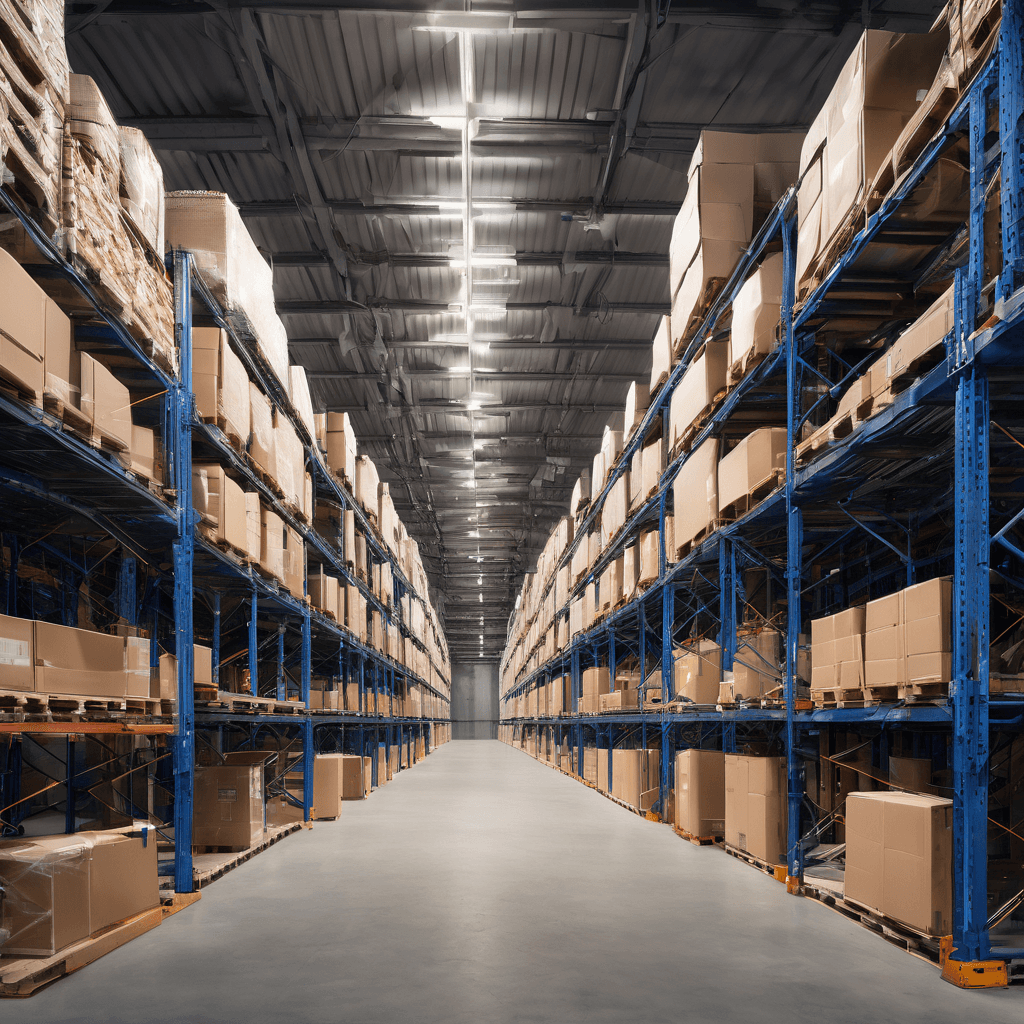
Struggling with warehouse costs and logistics headaches? You're not alone. Many companies find their European expansion plans hitting a wall of sky-high operational expenses and frustrating delays. Here's a game-changer: Poland has rapidly become the logistics heart of Europe, with a staggering 40% increase in modern warehouse space over the last five years. Imagine a major electronics retailer slashing its fulfillment costs by 30% simply by moving its central hub to Wrocław, gaining access to a skilled workforce and unbeatable geographic reach overnight. This isn't just about saving money; it's about unlocking a level of efficiency and scalability that can transform your entire supply chain. Let's explore how Poland could be the strategic pivot your business needs.
The Core Advantages of Outsourcing to Poland
Choosing Poland for warehouse outsourcing isn't just a cost play; it's a strategic move that bundles significant savings with robust operational advantages. The country has solidified its position as a central logistics hub, offering a compelling package that goes far beyond simple labor arbitrage.
Cost-Effectiveness & Operational Savings
The financial argument remains strong. While wages have risen, they are still markedly lower than in Western Europe, often by 30-50% for comparable roles according to Eurostat data. Crucially, this comes with high productivity—a combination that delivers real value. Poland sweetens the deal with investor-friendly policies, including 14 Special Economic Zones (SEZs) offering corporate income tax exemptions and other reliefs. When you factor in competitive real estate costs, the total cost of operation becomes hard to match in the region.
| Cost Factor | Poland | Germany | Netherlands |
|---|---|---|---|
| Avg. Warehouse Operative Monthly Gross | ~€1,400 - €1,800 | ~€3,000 - €3,500 | ~€2,800 - €3,300 |
| Prime Warehouse Rent (€/m²/month) | ~€3.5 - €5.5 | ~€6.0 - €8.5 | ~€7.5 - €9.5 |
| CIT in SEZs | 0% (for a period) | ~30% | 25.8% |
Geographic & Infrastructure Benefits
Location is everything, and Poland sits right at the crossroads. Its modern highway network provides seamless road access to Germany, the Czech Republic, and into Scandinavia within a day's drive. For intermodal flexibility, rail connections are extensive. The Baltic seaports of Gdańsk and Gdynia are powerhouse gateways for intra-European and global maritime trade, while growing air cargo hubs like Warsaw Chopin and upcoming Central Communication Port solidify multimodal options. In practice, this means your inventory is centrally positioned to serve the entire EU market efficiently.
Skilled & Motivated Workforce
You get access to a deep talent pool. The education system produces a steady stream of logistics graduates, and multilingual skills—particularly in English and German—are common among managers and specialists. This isn't just about filling roles; it's about finding staff who can optimize processes and adapt to complex systems. The workforce is typically known for a strong work ethic and low turnover rates in the logistics sector, which translates into more stable and knowledgeable operations for your business. For more insights on building a team here, check out our Blog.
Ultimately, Poland delivers a balanced proposition where strategic geography, modern infrastructure, and skilled labor converge to create a resilient and cost-competitive outsourcing destination.
Key Considerations for Choosing a Polish 3PL Partner
Selecting the right third-party logistics (3PL) provider is the linchpin of a successful outsourcing strategy. While Poland's fundamentals are strong, a deep dive into potential partners ensures they align with your specific operational needs and growth trajectory.
Evaluating Service Scope & Specializations
Look beyond basic storage and shipping. A partner offering tailored value-added services can streamline your supply chain significantly. This includes kitting and assembly, which is huge for subscription boxes or promotional packs, custom labeling for market-specific requirements, and efficient returns management—a critical capability for e-commerce where return rates can hit 20-30%. Crucially, verify their hands-on experience in your sector. An automotive parts specialist will have systems for sequencing and just-in-time delivery, while an FMCG 3PL is built for high-volume, fast-moving goods with short shelf-life considerations. Ask for case studies.
Technology and Integration Capabilities
A provider's Warehouse Management System (WMS) is its operational brain. You need assurance it can integrate seamlessly with your own ERP, e-commerce platform, or order management systems via API or EDI. This real-time data flow for inventory levels, order status, and tracking is non-negotiable for maintaining control. In practice, leading Polish 3PLs invest heavily in tech, often offering client portal access for full visibility. Confirm their roadmap for tech updates and their support team's responsiveness for troubleshooting.
Compliance and Cultural Fit
Operational compliance is table stakes. Your partner must rigorously adhere to EU regulations, including GDPR for data protection, customs procedures (especially for non-EU companies), and stringent health and safety standards (like HACCP for food). Don't underestimate the softer side: communication styles and project management approaches. A provider with English-speaking account managers and regular, structured reporting cadence prevents misunderstandings. Look for a proactive, problem-solving attitude rather than a rigid, transactional relationship.
| Consideration | Key Questions to Ask | Industry-Specific Example |
|---|---|---|
| Service Scope | Do you handle VAS like kitting, co-packing, or quality checks? | E-commerce: "What is your process for inspecting and refurbishing returned items?" |
| Tech Integration | What is your standard API/EDI protocol? Can we do a pilot integration? | Automotive: "How does your WMS handle part sequencing for production line delivery?" |
| Industry Experience | Can you provide references from clients in our sector? | FMCG: "What is your warehouse turnover ratio and process for managing expiry dates?" |
Ultimately, the best fit is a partner that acts as an extension of your team, combining local executional excellence with a strategic, collaborative mindset. For more insights on the Polish market, explore our Blog.
Industry-Specific Applications and Success Stories
Poland's strategic location and logistics muscle aren't just theoretical advantages; they translate into tangible results across diverse sectors. Let's look at how different industries are leveraging Polish warehouses to gain a competitive edge.
E-commerce and Retail Fulfillment
For online sellers targeting Europe, Poland is a launchpad. Positioned centrally, it enables next-day delivery to major markets like Germany, the Czech Republic, and Austria, and reaches over 100 million consumers within a 48-hour window. This speed is a game-changer for conversion rates. Major international retail brands use Poland as their Central European distribution hub, consolidating goods from Asia before fanning out to stores across the continent. This model slashes final-mile delivery costs and simplifies inventory management. A success story here is a German fashion retailer that, by partnering with a Polish 3PL, reduced its average delivery time to Polish and Czech customers by over 40% while cutting warehousing costs by roughly 15%, as reported in local industry reports.
Manufacturing and Automotive Support
Poland's robust industrial sector demands precision logistics. Warehouses here excel at production line feeding, managing complex vendor-managed inventory (VMI), and just-in-sequence deliveries for automotive and appliance manufacturers. The seamless integration with local production clusters—like the automotive hub in Upper Silesia—means components arrive exactly when needed, minimizing on-site storage. This isn't just about speed; it's about synchronization. One automotive supplier for electric vehicles scaled its operations by outsourcing sub-assembly and sequencing to a Polish logistics partner, achieving a 99.8% on-time-in-full (OTIF) delivery rate to the production line.
Cold Chain and Specialized Storage
The capacity for temperature-controlled logistics is expanding rapidly. Modern facilities now offer comprehensive cold chain solutions, crucial for pharmaceuticals, perishable foods, and high-end cosmetics. These warehouses comply with strict standards like GDP (Good Distribution Practice) and feature multi-temperature zones, validated packaging areas, and 24/7 monitoring. For instance, a Nordic pharmaceutical company centralized its Central European distribution in a Warsaw-based cold storage facility, gaining the ability to service markets from the Baltics to the Balkans with consistent, audit-ready temperature control.
| Industry | Key Polish Warehouse Advantage | Typical Performance Gain |
|---|---|---|
| E-commerce | Central EU location for 1-2 day delivery | 30-50% faster delivery to DACH & CEE |
| Automotive | JIS (Just-in-Sequence) & line-side feeding | OTIF rates often exceed 99.5% |
| Pharma | GDP-compliant cold chain storage | Reduced risk of spoilage & compliance breaches |
In practice, the flexibility of Polish providers allows companies to start with a pilot project—say, a dedicated e-commerce zone—and scale up seamlessly as demand grows. You can read more about market entry strategies on our Blog.
Navigating Potential Challenges and Solutions
While Poland offers a compelling value proposition, a smooth outsourcing journey hinges on anticipating and navigating a few key hurdles. The good news? With the right partner and preparation, these are entirely manageable.
Language and Communication
English is widely spoken in Polish logistics, especially among management and key account staff. However, on the warehouse floor, proficiency can vary. The real fix isn't expecting universal fluency but establishing crystal-clear communication protocols from day one. This means designating bilingual points of contact on both sides, using standardized digital checklists for operations, and agreeing on regular update cadences. In practice, the most successful partnerships invest in simple, visual process guides to bridge any minor language gaps seamlessly.
Initial Setup and Transition Phase
Jumping in without a roadmap is asking for trouble. A detailed, phased project plan is non-negotiable for a controlled launch. This plan should lock down specific milestones with realistic timelines, like completing IT integration within 4 weeks or achieving target picking accuracy of 99.5% by the third month of operation. Your local partner’s expertise is invaluable here—they’ll navigate the administrative landscape, from understanding nuanced local labor laws to registering with customs authorities, which can otherwise slow you down.
Managing Distance and Oversight
Physical separation doesn’t mean being in the dark. Modern technology is the great equalizer. Leveraging a cloud-based Warehouse Management System (WMS) with real-time reporting dashboards gives you remote visibility into inventory levels and order status. For critical shipments, IoT sensors can monitor location and condition. Pair this tech with a robust Service Level Agreement (SLA) that defines clear performance metrics and penalties. A strong SLA, informed by local market standards, turns abstract concerns into measurable, manageable outcomes.
| Common Challenge | Proactive Solution | Key Outcome |
|---|---|---|
| Language barriers on-site | Bilingual leads & visual process guides | Reduced errors, clearer daily ops |
| Unclear launch timeline | Phased project plan with weekly milestones | On-time, on-budget warehouse activation |
| Lack of remote control | Cloud WMS & IoT for real-time data | Full visibility, proactive issue resolution |
Ultimately, the challenges of outsourcing to Poland are predictable and solvable. By choosing a partner with a track record and prioritizing detailed planning and digital integration, you effectively mitigate risk and set the stage for a high-performing, cost-effective logistics operation. For more insights on the Polish market, explore our Blog.
The Future of Warehousing in Poland: Trends to Watch
Poland's warehouse sector isn't just growing; it's rapidly evolving to meet the future head-on. Companies looking to outsource here are finding a market that's proactive, tech-savvy, and strategically vital. Staying ahead means understanding the key trends shaping the landscape.
Automation and Robotics Integration
The push for efficiency is driving widespread adoption of Automated Storage and Retrieval Systems (AS/RS), autonomous mobile robots (AMRs), and sophisticated warehouse management software (WMS). This isn't about replacing humans but augmenting their capabilities to handle higher volumes with greater accuracy and speed. In practice, we're seeing a mix: from fully automated e-commerce fulfillment centers for global retailers to more modular robotic solutions in multi-client spaces. The relatively lower cost of advanced engineering talent in Poland compared to Western Europe makes implementing and maintaining these systems more financially viable.
Sustainability and Green Logistics
ESG isn't a buzzword; it's a construction standard. Modern facilities are increasingly equipped with solar panels, EV charging stations, and smart energy management systems. The focus is on obtaining certifications like BREEAM or LEED, which are now a common expectation for new builds from major developers. For instance, a typical new speculative warehouse today will likely feature a BREEAM 'Excellent' rating, roof-mounted PV panels covering thousands of square meters, and advanced rainwater harvesting. This aligns perfectly with the sustainability goals of international brands outsourcing their logistics.
Nearshoring and Supply Chain Resilience
Geopolitical shifts and the need for agility are cementing Poland's role as a nearshoring champion. Companies are moving production and storage from Asia to be closer to the EU market, and Poland's central location, skilled workforce, and cost-effectiveness make it a prime destination. This isn't just theory; local industry reports highlight sustained demand from manufacturing and logistics firms seeking to shorten lead times and reduce risk. The development of robust multi-client and built-to-suit (BTS) facilities offers flexible solutions for these incoming businesses, whether they need a dedicated site or a scalable shared space.
| Trend | Key Driver | Example Impact |
|---|---|---|
| Automation | Labor efficiency & accuracy | AMRs can increase picking speed by 20-30% in optimized setups. |
| Green Warehouses | Corporate ESG mandates & operational cost savings | Solar installations can cover 30-50% of a facility's energy needs. |
| Nearshoring | Supply chain risk reduction | Transit times from Poland to key German hubs can be under 24 hours. |
Continued massive investment in road and rail corridors, like the ongoing upgrades to the A2 motorway and Rail Baltica, will further enhance Poland's transit capabilities. This infrastructure backbone, combined with these evolving trends, ensures that outsourcing your warehouse to Poland is a decision for both today's performance and tomorrow's growth. For more insights, explore our Blog.
Conclusion: Is Poland the Right Choice for Your Business?
Poland presents a powerful, all-around package for European logistics. It’s not just about lower costs; it’s the strategic fusion of geographic advantage, a skilled workforce, and a market poised for continued growth. For companies targeting the EU, this blend translates directly into optimized spend and superior supply chain agility. The numbers speak for themselves: a central location with 96% of European consumers within a two-day drive, warehouse labor costs that are a fraction of those in Western Europe, and a logistics sector growing by over 10% annually according to local industry reports.
Weighing the Strategic Benefits
The core advantages can be broken down clearly. While savings are significant, the real value lies in how these elements combine to create resilience and speed.
| Advantage | Key Metric / Example | Business Impact |
|---|---|---|
| Cost Efficiency | Warehouse operative wages approx. €6-9/hour (PAIH, 2024) | Direct reduction in operational expenditure, often 20-40% vs. DACH region. |
| Geographic Centrality | Major hubs like Wrocław are within 1,200km of 8 EU capitals. | Faster, cheaper ground transport enabling next-day delivery to vast areas. |
| Skilled Labor Pool | 300,000+ students in technical fields; high English proficiency. | Access to talent for complex operations, VAS, and IT-driven logistics. |
| Infrastructure Growth | Over €30 billion in EU-funded road/rail projects by 2030. | Long-term reliability and multimodal connectivity are being locked in. |
In practice, we commonly see e-commerce and manufacturing firms leverage this for a dual hub strategy, using Poland for bulk storage and rapid regional fulfillment while keeping a smaller footprint in high-cost markets for ultra-fast local delivery.
Final Recommendations for Decision-Makers
Success here depends entirely on choosing the right partner. Due diligence is non-negotiable. Look beyond the price per pallet and audit a 3PL’s tech stack, their client retention rates, and their experience in your specific sector. Visit their facilities. The long-term trends are your friend: automation is accelerating in Polish warehouses, and the nearshoring wave is bringing more suppliers closer, making Poland a natural consolidation point.
Ultimately, outsourcing your warehouse to Poland can be a transformative move. It’s a scalable solution that balances cost control with operational excellence. For businesses serious about efficient European distribution, the question isn’t really if to consider Poland, but how soon you can start the vetting process. Explore insights from others who have made the move on our Blog to inform your strategy.
Frequently Asked Questions (FAQ)
How much can I save by outsourcing warehousing to Poland compared to Western Europe?
You can typically save 30–50% on overall warehousing costs by moving operations to Poland versus countries like Germany or France. The biggest savings come from significantly lower labor costs and more affordable real estate, while service quality remains high due to a skilled workforce and good infrastructure. For example, where a pick-and-pack service might cost €12 per hour in Western Europe, it could be around €6–€8 in Poland. It’s a smart move if you want to cut costs without sacrificing reliability. Just make sure to visit potential partners to check their setup firsthand.
What are the main legal or administrative hurdles when setting up a warehouse in Poland?
The main hurdles are usually local labor law, which has strict rules on contracts and working hours, and VAT settlement, especially for intra-EU transactions where you need local VAT registration. Navigating commercial lease agreements can also be tricky, as Polish law heavily favors the tenant—but the clauses are complex. For example, registering for VAT can take 2-4 weeks. That's exactly why many companies outsource to a local partner; they handle these admin burdens while you just use the space.
Can a warehouse in Poland efficiently serve customers in Germany and France?
Yes, absolutely. A warehouse in Poland can very efficiently serve customers in Germany and France. Thanks to its central location and modern road networks, standard delivery times to major cities in both countries are often just 1-3 business days. This makes it a strategic and cost-effective hub. For example, shipping from Wrocław to Berlin can be as quick as overnight. So, if you're looking to streamline your European logistics with a single, well-connected base, Poland is a strong practical choice.
Do Polish logistics providers offer e-commerce fulfillment services?
Yes, absolutely. Many Polish logistics providers are experts in e-commerce fulfillment. They handle everything from pick-and-pack and storage to returns management. A big plus is their modern IT systems that connect directly with your online store (like Shopify or WooCommerce) for automatic order processing. This is actually a key reason to outsource there—you get EU market access with competitive costs. For example, providers like 7L or Rhenus offer these tailored services, so you can scale without investing in your own warehouse.
Is English widely spoken in the Polish logistics industry?
Yes, English is very common in Polish logistics, especially if you're looking at outsourcing. In international 3PL (third-party logistics) companies and at management levels, it's practically the working language. This makes communication smooth for clients from the UK, Germany, or Scandinavia. For example, in major hubs like Warsaw or Poznań, you can expect key account managers and operational leads to be fully proficient. So, if you're outsourcing a warehouse to Poland, you can confidently use English for contracts, daily updates, and solving issues without major language barriers.
Related Articles
Understanding the Cost of Warehouse Services in Poland
Navigating warehouse costs in Poland feels like a maze. You're not alone. With e-commerce booming, logistics space is at a premium. Prime warehouse vacancy r...
Central Europe Warehouse Hub: A Strategic Logistics Guide
Struggling with supply chain bottlenecks and soaring costs? You're not alone. The logistics map of Europe is being redrawn, with Central Europe emerging as t...
European Warehouse Services in Poland: Your Strategic Hub
Struggling with warehouse delays and spiraling logistics costs? You're not alone. Poland has rapidly become the beating heart of European distribution, with ...