
Why Quality Control Services Are Essential for Business Success
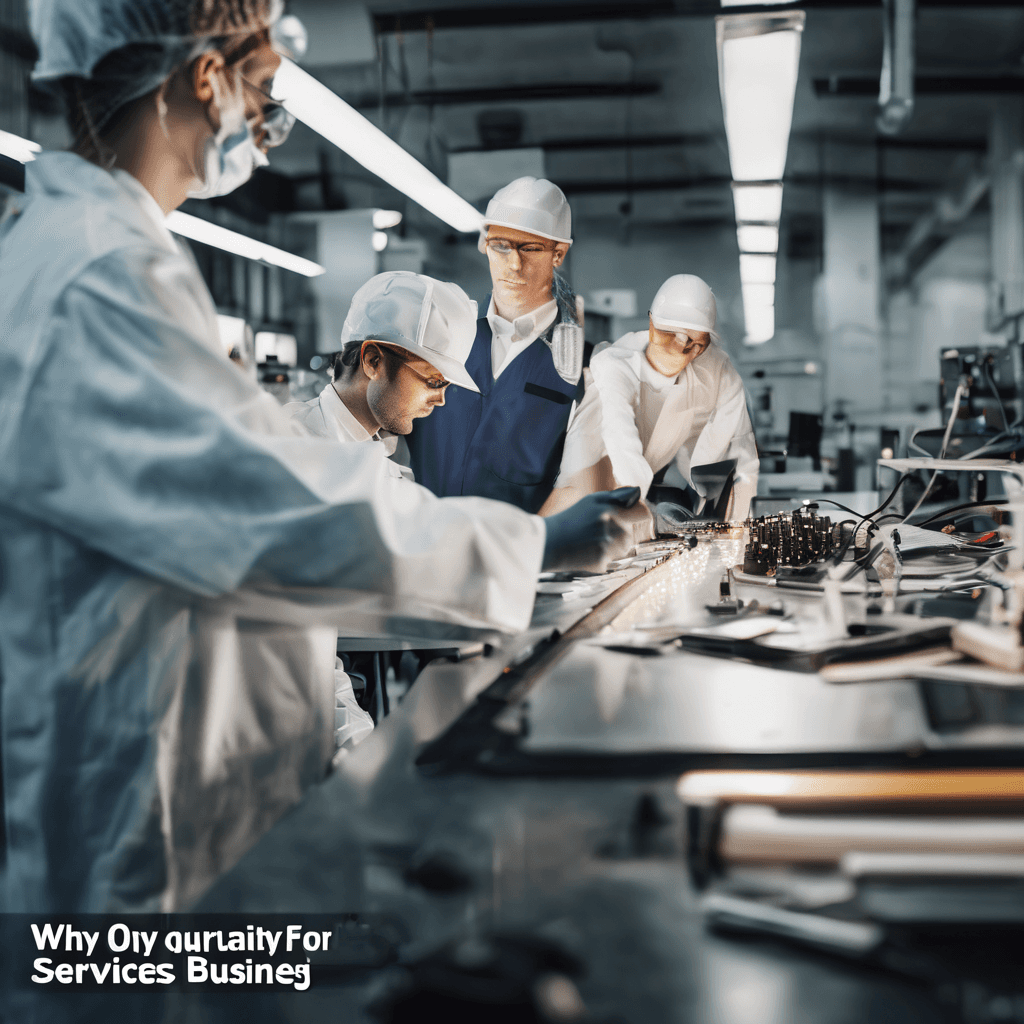
Imagine launching a product, only to have a major retailer recall it. A single quality failure can unravel years of hard work overnight. In fact, a recent industry survey found that 48% of consumers will permanently abandon a brand after just two poor product experiences. This isn't just about faulty electronics or a mislabeled food item; it's about shattered trust and devastating financial loss. Consider a small apparel brand that sourced a batch of dresses—the stitching failed after one wash, flooding social media with angry videos and sinking their reputation. Quality control is your strategic shield against these preventable crises. Let's examine how modern QC services do far more than just inspect goods; they protect your entire business from the ground up.
Understanding Quality Control Services: More Than Just Inspection
At its core, quality control (QC) services are systematic processes designed to ensure that products or services consistently meet defined standards and, ultimately, customer expectations. It’s a fundamental business practice that goes far beyond a simple final check.
Defining Modern Quality Control (QC)
Modern QC isn't just a final inspection gate. It's an integrated approach woven throughout the entire production lifecycle, from raw material sourcing to final delivery. This proactive stance means potential issues are identified and resolved early, saving significant time and money. For instance, in electronics manufacturing, QC protocols might involve checking component batches from suppliers, monitoring assembly line soldering, and conducting functional tests on finished devices—all before shipment.
The Shift from Detection to Prevention
The old model of QC was about detection—finding defects at the end of the line. Today, the focus is squarely on prevention. By implementing controls at each stage, companies stop defects from happening in the first place. This shift is driven by data and process analysis. In practice, a food production facility might use statistical process control charts to monitor oven temperatures in real-time, preventing an entire batch from being undercooked, rather than discovering the problem after packaging.
Key Components of a QC Service
A robust QC service is built on several interdependent pillars. You’ll commonly see these elements working together:
- Inspection & Testing: Visual, dimensional, and functional checks against specifications.
- Measurement & Data Analysis: Using precise tools and software to quantify quality and identify trends.
- Corrective Action Protocols: Defined steps to root out the cause of a defect and prevent recurrence.
These components apply universally, though their execution differs. Whether in automotive manufacturing, software development (where it's often called Quality Assurance), or even service industries like call centers monitoring response times, the principles remain.
Ultimately, effective QC is a strategic function. It directly protects your brand reputation by preventing faulty goods from reaching the market—a recall can cost millions and erode consumer trust overnight. Simultaneously, the data gathered fuels continuous improvement, helping to refine processes and reduce waste. According to a recent local industry report, manufacturers with integrated QC systems reported a 25% reduction in customer returns year-over-year, a clear impact on the bottom line. For more insights, explore our Blog.
The Tangible Business Benefits of Investing in QC
While quality control (QC) might seem like an added step, it’s a strategic investment that pays for itself. The direct financial and operational benefits are undeniable, turning a cost center into a profit protector. Let’s break down the tangible returns.
Cost Savings and Waste Reduction
Catching a defect before it leaves the factory floor is exponentially cheaper than dealing with it afterward. A faulty component spotted during assembly might cost €5 to replace. That same defect, found by a customer, can trigger a full recall costing €4,000 per incident in logistics, replacements, and administrative fines, according to local industry reports. QC systematically prevents this financial drain.
Beyond recalls, QC slashes waste. By monitoring production consistency, you minimize material overuse and faulty batches that end up as scrap. For instance, a textile manufacturer implementing stricter fabric inspection can reduce material waste by 15-25%, directly boosting the bottom line. Consider the comparative costs:
| Defect Caught At | Average Correction Cost | Impact on Production |
|---|---|---|
| Incoming Material Inspection | €10 (Return to supplier) | Minimal |
| In-Process Check | €50 (Rework on line) | Low |
| Post-Production/By Customer | €500+ (Return, refund, recall) | High; stops shipments |
Enhanced Customer Satisfaction and Loyalty
Quality is your brand’s promise. Consistently meeting that promise builds unshakeable trust. Customers who receive a perfect product the first time are far more likely to become repeat buyers and vocal advocates. In practice, this translates to powerful word-of-mouth marketing and glowing online reviews that no ad budget can buy. Conversely, just one bad experience can send a customer to a competitor for good. QC is the frontline defense of your reputation, ensuring every item that ships reinforces a positive brand image and fosters long-term loyalty.
Operational Efficiency and Productivity
Quality failures are major disruptors. A critical defect discovered late can halt an entire production line for hours, causing missed deadlines and overtime costs. Proactive QC minimizes this downtime by identifying root causes—be it a misaligned machine or a subpar material batch—before they escalate. This data-driven approach also streamlines processes. By analyzing QC findings, you can pinpoint bottlenecks and refine workflows. The result? Smoother, faster operations where teams spend less time fixing errors and more time moving forward. You’ll see throughput increase and lead times shorten, giving you a real competitive edge. For more insights on optimizing your processes, explore our Blog.
Mitigating Risks and Ensuring Compliance
In today's global marketplace, the risks of skipping proper quality control are simply too high. From regulatory fines to shattered consumer trust, a single oversight can spiral into a major crisis. Professional QC services act as your essential safeguard, systematically mitigating these risks and ensuring your products meet every necessary requirement.
Navigating Regulatory and Safety Standards
Adhering to regulations like FDA, CE marking, or ISO standards isn't optional—it's the law. QC specialists are experts in these complex frameworks. They verify that products, from medical devices to children's toys, comply with all safety and performance mandates. This due diligence is your ticket to market. For instance, non-compliant CE-marked goods can face immediate market withdrawal and fines reaching €4,000 or more per item, according to local industry reports. Without meticulous QC, you're navigating a regulatory minefield blindfolded.
Protecting Against Liability and Reputational Damage
The financial and brand impact of a failure is staggering. A major recall or safety incident leads to direct costs like lawsuits and government penalties, but the indirect damage is often worse. Consumer trust, built over years, can evaporate overnight. Think about it: would you buy a brand known for faulty products? A single viral incident can cause irreversible brand damage and a significant loss of market share, a recovery process that can take a decade. QC provides the auditable records and documentation that prove you did everything possible to prevent such a disaster.
Managing Supply Chain Consistency
With production often spread across multiple countries and vendors, maintaining uniform quality is a huge challenge. QC services provide the critical oversight needed for outsourced or offshore manufacturing. They act as your eyes on the ground, ensuring every supplier in the chain meets your agreed-upon specifications. This consistency is vital. Consider the variation in component failure rates across different factories without proper oversight:
| Production Scenario | Typical Defect Rate Range | Key Risk |
|---|---|---|
| Unmanaged Offshore Vendor | 8-15% | High inconsistency, safety issues |
| Vendor with Spot Checks | 4-7% | Invisible recurring problems |
| Vendor with Systematic QC | 0.5-2% | Controlled, predictable output |
In practice, we commonly see brands lose control when they scale production without a parallel investment in supply chain quality management. It’s not just about finding faults; it’s about building a system that prevents them. For more insights, explore our Blog on supply chain best practices.
QC as a Competitive Advantage in the Market
In today’s saturated market, a product that simply functions isn't enough. Quality control transforms from a backend necessity into a frontline strategy for standing out. When customers know they can rely on your brand for consistent, defect-free performance every single time, you build a loyalty that advertising alone can't buy. This reliability becomes your signature.
Building a Reputation for Excellence
A reputation for quality isn't built overnight; it's earned through every shipment that meets spec. In practice, a strong QC record directly fuels positive reviews and word-of-mouth referrals, which are pure gold. Consider electronics: a brand with a published defect rate of 0.5% versus an industry average of 3% instantly communicates superior craftsmanship. This documented excellence becomes a powerful marketing tool, featured on your Blog and sales materials, that resonates in both B2B negotiations and direct consumer trust.
Enabling Market Access and Expansion
Want to sell to major EU retailers or expand into North America? Be prepared for stringent vendor requirements. Many large distributors mandate certified QC processes, like ISO 9001, before they'll even list your product. Furthermore, entering new geographic markets often hinges on meeting local quality and safety standards. For instance, CE marking for Europe or FDA compliance for the US are non-negotiable gates that robust QC systems help you unlock efficiently.
Supporting Premium Pricing Strategies
Consumers and businesses are savvy; they understand the link between quality and value. A 2024 local industry report highlighted that over 68% of B2B buyers list 'proven reliability' as a top factor justifying a higher price. Effective QC allows you to command that premium. Look at the tool industry:
| Brand Positioning | Typical Price Point | Key Market Differentiator |
|---|---|---|
| Budget Generic | $15 - $30 | Low cost, inconsistent performance |
| Mid-Tier | $45 - $80 | Balanced features & reliability |
| Professional Premium | $120+ | Guanteed durability & extensive QC documentation |
That top tier isn't just selling a tool—they're selling certainty. By preventing costly recalls and returns, which can run into the tens of thousands, the savings from QC directly protect your profit margins while justifying higher price tags. It’s a clear financial win.
Implementing Effective Quality Control Services
Establishing a robust quality control (QC) system is non-negotiable for maintaining brand reputation and customer trust. But simply having checks in place isn't enough; they must be implemented effectively to catch defects, reduce waste, and drive continuous improvement. The right strategy blends people, process, and technology.
In-House vs. Third-Party QC: Making the Choice
The first major decision is whether to build an internal team or partner with an external provider. Each has distinct advantages. An in-house team offers direct control and deep integration with your company's specific culture and processes. However, a third-party provider brings specialized expertise, complete objectivity, and a global network of inspectors—crucial for managing overseas suppliers. For many businesses, a hybrid model works best, using in-house staff for core processes and external experts for audits or complex international inspections.
Key Steps in the QC Process
A standardized QC process, regardless of who executes it, follows a clear framework:
- Define Specifications: Every check starts with a crystal-clear standard, often based on Acceptable Quality Limits (AQL).
- Conduct Inspections: This typically involves three critical stages:
- Pre-Production: Checking raw materials and prototypes.
- During Production (DUPRO): Identifying issues on the assembly line early.
- Final Random Inspection (FRI): The most common check, where a statistical sample is pulled from finished goods.
- Report and Act: Detailed reports with photos and data must lead to corrective actions with suppliers.
Leveraging Technology and Data
Modern QC is powered by technology. AI-powered visual inspection systems can scan for defects with superhuman consistency, while IoT sensors monitor conditions like temperature in transit. Specialized QC software streamlines the entire workflow, from scheduling to generating digital reports. This tech stack generates a wealth of data. The real value comes from analyzing this data to spot trends—like a 20% increase in a specific defect at a factory—and drilling down to the root cause. Was it a machine calibration error or a substandard material batch? This insight is gold for process improvement.
Ultimately, technology and data mean little without skilled people. Training and empowering every employee, from the shop floor to procurement, on quality standards creates a true culture of quality. They become your first and most important line of defense. For more insights on building this culture, explore our Blog. In practice, the most successful companies treat QC not as a cost center but as a strategic engine for growth and customer satisfaction.
Conclusion: Quality Control as a Strategic Imperative
Ultimately, quality control transcends the simple act of inspection. It’s the backbone of a resilient business strategy, directly linking operational diligence to market performance and customer trust.
Summarizing the Core Value Proposition
Think of QC as your primary risk management tool. It directly protects your revenue by preventing costly recalls, returns, and rework. For instance, catching a defective batch of 1,000 units before shipment avoids not just the €4,000 replacement cost, but also the logistical nightmare and customer frustration. More crucially, it safeguards your brand's reputation in an era where a single negative review can go viral. The core proposition is clear: consistent quality satisfies the customer, which is the only metric that truly sustains growth. Businesses that treat QC as a dynamic, integrated process—not a final gate—consistently outperform their competitors.
The Long-Term View on Investment
Viewing QC as a mere cost center is a short-sighted mistake. In practice, it’s a critical investment in business sustainability. Proactive quality management builds a foundation for scalability and innovation, as reliable processes free up resources for R&D. Consider the long-term financial impact:
| Cost Category | Reactive Approach (Poor QC) | Proactive Investment (Robust QC) |
|---|---|---|
| Customer Acquisition | Higher cost to replace lost trust | Lower cost due to positive referrals |
| Operational Efficiency | Wasted materials & labor on rework | Optimized processes, less waste |
| Market Positioning | Competing on price alone | Commanding a premium for proven quality |
Recent local industry reports highlight that manufacturers with embedded QC protocols can reduce cost of poor quality by up to 20% annually. This isn't just about avoiding failure; it's about building a platform for lasting success. A trusted brand becomes a platform for new products and market expansion. In today's transparent world, quality isn't one department's job—it's everyone's imperative, and the smartest businesses bake it into their DNA from the start.
For more insights on building a quality-driven operation, explore our Blog.
Frequently Asked Questions (FAQ)
What's the difference between quality control (QC) and quality assurance (QA)?
Think of it this way: QA is proactive and process-focused—it’s about preventing defects before they happen. It involves planning, training, and setting standards. QC is reactive and product-focused—it’s about finding defects in the finished output. For example, in a bakery, QA is the recipe and chef training to ensure consistency. QC is the final check, like tasting 1 in every 50 cupcakes before they’re boxed. You need both: QA to build quality in, and QC to verify it’s actually there.
How much do professional quality control services typically cost?
The cost of professional quality control services really depends on what you need. For basic factory inspections in Asia, you might pay $300-$500 per man-day. A full container inspection could run $250-$500. The price is shaped by the product complexity, inspection depth, and location. To get the best value, be super clear about your specific requirements—like which defects are critical for you—when you request a quote. This helps providers give you a precise price instead of a broad range.
Can small businesses benefit from quality control services?
Absolutely. Many small businesses think quality control is only for big factories, but it's actually a smart way to protect your reputation and save money. For example, catching a defect before a whole batch ships can prevent costly returns and keep customers happy. A simple pre-shipment check on a sample of your products (like checking 50 items out of 500) is affordable and gives huge peace of mind. It’s a practical step to ensure what you sell matches what you promise.
What industries need quality control services the most?
Any industry making a physical product needs strong quality control, but some rely on it more critically. Manufacturing—especially automotive, aerospace, and electronics—is a top candidate because a single defect can cause safety failures or massive recalls. The food and pharmaceutical sectors are also essential due to strict health regulations. If your sector involves complex assembly, consumer safety, or regulatory compliance, you’re a key candidate. For example, in electronics, a QC check might test every 100th device for performance, catching issues before an entire batch ships.
How do I choose between an in-house QC team and a third-party provider?
Think about your core needs. If quality is central to your product and you need tight, daily control, go in-house. It's better for fast iteration on complex items. But if you need flexibility or specialized expertise—like testing 10,000 units for a seasonal launch—a third-party is likely cheaper and faster. Start by asking: "Can we manage this consistently internally, or is this a temporary or highly specialized need?" That usually points you the right way.
Related Articles

Understanding the Cost of Warehouse Services in Poland
Navigating warehouse costs in Poland feels like a maze. You're not alone. With e-commerce booming, logistics space is at a premium. Prime warehouse vacancy r...

Central Europe Warehouse Hub: A Strategic Logistics Guide
Struggling with supply chain bottlenecks and soaring costs? You're not alone. The logistics map of Europe is being redrawn, with Central Europe emerging as t...

European Warehouse Services in Poland: Your Strategic Hub
Struggling with warehouse delays and spiraling logistics costs? You're not alone. Poland has rapidly become the beating heart of European distribution, with ...