
Quality Control Services in Poznan: Your Complete Guide
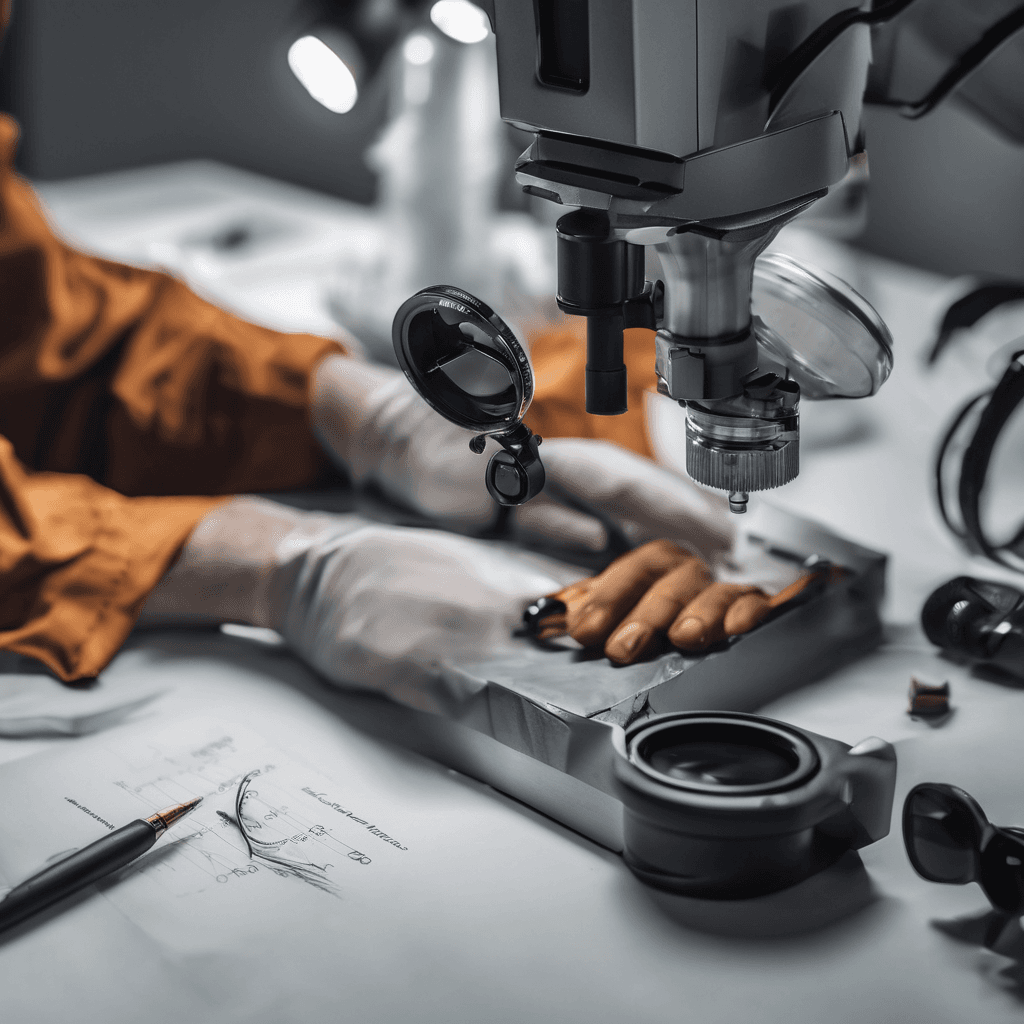
Your shipment from Poznań just got rejected. A single quality failure can cost you a key client and thousands in lost revenue. Poznań’s manufacturing output grew by over 8% last year, intensifying competition and raising the stakes for perfection. Imagine a major automotive supplier here; they avoided a catastrophic recall by implementing rigorous inbound material checks, catching a subcomponent flaw before assembly. This isn't just about inspection—it's about safeguarding your reputation in a bustling industrial hub. The right quality partner in Poznań does more than find faults; they build a fortress of reliability around your brand. Let’s explore how to turn quality control from a cost center into your most powerful competitive edge.
What Are Quality Control Services and Why Are They Vital?
In today's competitive market, ensuring your product is flawless isn't just an option—it's the baseline for survival. For companies in Poznan, from automotive suppliers to food producers, professional quality control services provide the essential framework for this assurance.
Defining Modern Quality Control
Modern quality control is a systematic, end-to-end process designed to verify that products or services meet predefined standards at every stage. It's far more than a final inspection. Think of it as a proactive shield, integrating checks from raw material intake through production to pre-shipment audits. A typical QC process in a Poznan manufacturing facility might include:
| Stage | Focus Area | Common Checks |
|---|---|---|
| Incoming | Raw Materials & Components | Dimensional specs, material certificates, visual defects |
| In-Process | Production Line | Assembly accuracy, machinery calibration, process parameters |
| Pre-Shipment (FRI) | Finished Goods | Functionality, packaging, labeling, overall workmanship |
This layered approach catches deviations early, when they're cheapest to fix.
The Strategic Business Value
Framing QC as a mere cost center misses the bigger picture. It's a strategic investment with a direct ROI. Effective quality control protects your brand's hard-earned reputation, which can be shattered by a single batch of faulty goods. It slashes costs associated with rework, waste, and warranty claims—some industry reports suggest defect prevention can save up to 20% of total manufacturing costs. Most importantly, it builds customer trust and loyalty, turning buyers into repeat advocates for your business.
Risks of Neglecting Quality
The consequences of cutting corners on quality are severe and quantifiable. Real-world examples are unfortunately common:
- A furniture exporter faces a €30,000 loss due to a rejected shipment for non-compliant varnish, resulting in chargebacks and lost future contracts.
- A food producer triggers a costly recall after failing to detect labeling errors, damaging consumer trust for years.
- Consistently high return rates, sometimes exceeding 15% for poor-quality goods, erode margins and strain customer service.
For Poznan-based firms, robust QC is also non-negotiable for regulatory compliance. Adhering to strict Polish and EU regulations (like the Machinery Directive or food contact material laws) is mandatory for market access. A professional QC partner understands these nuances, ensuring your products move freely across the Single Market without legal or customs hurdles. In practice, this compliance layer isn't just about avoiding fines; it's a key competitive advantage that signals reliability to larger clients and distributors.
Key Types of Quality Control Services Available in Poznan
For businesses operating in Poznan's dynamic industrial landscape, robust quality control (QC) is non-negotiable. The city's strength in manufacturing demands a diverse portfolio of specialized services to protect brand reputation and ensure market access. Here’s a breakdown of the key QC services available locally.
Inspection & Testing Services
This is the hands-on core of QC, physically verifying product quality at critical stages. Pre-Shipment Inspections (PSI) are the final gatekeeper, conducted when 80-100% of an order is packed. Inspectors check for defects, function, packaging, and compliance with purchase orders—a crucial step before goods leave a Poznan factory for international clients. During Production Checks (DUPRO) happen earlier, typically when 15-80% of production is complete. They catch issues in process, allowing for corrections before costly full-run completion. Beyond inspections, Poznan’s labs offer rigorous testing:
- Material verification to confirm composition.
- Durability and performance tests (e.g., cycles, weight, stress).
- Safety and compliance checks against standards like REACH or food contact regulations.
| Service Type | Ideal Timing | Primary Focus |
|---|---|---|
| DUPRO | During production (15-80% complete) | Process control, early defect detection |
| PSI | After production, pre-shipment | Final random sampling, packaging & shipment readiness |
| Laboratory Testing | Pre-production or batch validation | Material properties, safety, regulatory compliance |
Process & System Audits
While inspections check products, audits evaluate the systems that create them. Quality management system (QMS) audits, like those for ISO 9001, are hugely popular among Poznan companies aiming to streamline operations and win global contracts. An auditor doesn't just check a box; they review documented procedures, training records, and internal audits to see if the system is effectively implemented and maintained. In practice, a successful audit can streamline production and significantly reduce the defect rates caught during DUPRO or PSI, saving money and headaches down the line.
Supplier & Supply Chain Management
Given Poznan's role as a supply chain hub, vetting and managing supplier quality is a standalone service category. This goes beyond a one-time factory audit. It involves initial supplier assessments, continuous performance monitoring, and root-cause analysis when components fail. For a local automotive parts assembler, this might mean regular surveillance audits at a sub-supplier's metal stamping facility to ensure consistent tensile strength. The goal is proactive risk management, ensuring that every link in the chain—from raw material to finished product—meets the required standards, which is absolutely critical for just-in-time manufacturing sectors.
Specialized providers in the region tailor these core services to dominant local industries. Automotive QC focuses on precision measurements, statistical process control (SPC), and strict traceability. Furniture inspections emphasize finish quality, assembly, and material authenticity. For the robust food processing sector, services expand to include hygiene audits (GMP/GHP), allergen control checks, and nutritional label verification, aligning with standards cited in local industry reports.
The Poznan Advantage: Local Expertise for Regional Business
Nestled in the heart of Poland, Poznań is more than just a historic city; it's the dynamic economic engine of the Wielkopolskie region. This area boasts a diverse and robust industrial base, from a long-standing tradition in furniture manufacturing and food processing to a rapidly expanding hub for automotive and electrical machinery. According to recent local industry reports, the region consistently attracts significant foreign direct investment, creating a complex supply chain that demands rigorous oversight. For businesses operating here, whether local exporters or international buyers, understanding this specific landscape is the first step to ensuring product integrity.
Understanding the Greater Poland Market
The industrial fabric of Greater Poland is uniquely varied. You'll find sprawling production plants for major automotive suppliers alongside specialized, family-run furniture workshops. This mix means quality standards and production challenges can differ wildly from one factory floor to the next. A quality control inspector based in Poznań doesn't just know the address; they understand the typical operational rhythms, common material suppliers, and even the regional business culture. This deep-seated knowledge allows for a more nuanced and effective inspection from the get-go.
Logistical and Cultural Benefits
Choosing a Poznań-based QC partner translates into direct, tangible advantages. The most obvious is speed. A local inspector can typically be on-site within 24-48 hours, a critical factor when dealing with tight production deadlines or sudden issues. This proximity slashes travel costs and, just as crucially, enables more frequent and unannounced checks, keeping suppliers consistently on their toes. Beyond logistics, the cultural and linguistic alignment smooths every interaction. There are no awkward translations of technical specifications, and a shared understanding of business etiquette helps build more cooperative, transparent relationships with factory management.
| Inspection Factor | Distant Inspector | Local Poznań Inspector |
|---|---|---|
| Average Response Time | 5-7 days | 1-2 days |
| Cost for 1-Day Check (Travel Included) | ~ €1,200 | ~ €650 |
| Potential for Unannounced Visits | Low | Very High |
Case Study: A Poznań Success Story
Consider a mid-sized Poznań furniture manufacturer aiming to secure a contract with a major Scandinavian retailer. The design was perfect, but the buyer insisted on flawless construction and finishing standards. The manufacturer engaged a local Poznań QC service to conduct pre-shipment inspections on the first three production batches. The local inspector, familiar with the common pitfalls of local wood sourcing and finishing techniques, identified inconsistent varnish application and minor joint alignment issues early on. This allowed for immediate, on-the-spot corrections with the production team. The result was a perfect final inspection report, which the exporter used to win a recurring contract worth over €500,000 annually. In practice, this kind of integrated local support is commonly seen as a decisive factor for regional businesses competing in the EU single market.
Furthermore, a Poznań-based QC firm often has established networks with local certification bodies and industry clusters, like the Wielkopolska Automotive Cluster. This connectivity can provide clients with a streamlined, integrated support system for testing, certification, and technical consultancy, turning quality control from a simple checkpoint into a strategic business advantage. For more insights on navigating regional markets, explore our Blog.
How to Choose the Right Quality Control Partner in Poznan
Selecting a quality control partner in Poznan is a critical decision that directly impacts your supply chain's integrity. The city's manufacturing sector, a hub for furniture, automotive components, and household appliances, demands specialized knowledge. A good partner acts as your eyes on the ground, but a great one provides strategic insight that prevents costly defects before shipment. Your choice hinges on verifying their operational rigor, transparency, and technological edge.
Essential Credentials to Verify
First, scrutinize formal credentials and practical experience. ISO 17020 accreditation for inspection bodies is non-negotiable; it’s the international benchmark for competence and impartiality. Don’t just check the certificate—ask how it applies to their daily work. Industry-specific expertise is equally vital. An inspector familiar with the EN 12521 standard for furniture safety will catch issues a generalist might miss. In practice, a provider with a track record in automotive components understands the severe cost of a 0.1% defect rate in high-volume production runs. Verify their local presence; a Poznan-based team can deploy faster and understands regional logistics quirks.
Key Questions to Ask Potential Providers
Dig into their operational model with pointed questions. Ask about inspector specialization: who will handle your electrical goods inspection? Probe their sample size methodology—is it based on ANSI/ASQ Z1.4 or a custom plan? A clear conflict of interest policy, where inspectors aren’t auditing their own relatives’ factories, is a must. Crucially, assess their tech stack. Do they use real-time reporting apps that upload photos and data instantly? Can you access a dashboard with historical data? Transparent, detailed reporting with timestamped photo/video evidence is the baseline, not a premium feature.
Red Flags to Avoid
Stay alert for warning signs that signal potential trouble. Vague, opaque pricing that doesn’t itemize travel costs or different inspection types should raise immediate concerns. A lack of local client references in Poznan or the Greater Poland region is a major red flag; you want a partner who knows the local landscape. Be wary of providers offering a rigid, one-size-fits-all approach. Your needs for a pre-production sample review differ vastly from a full during-production inspection. As noted in local industry reports, the most common complaints stem from providers using generic checklists that fail to capture product-specific risks.
| Aspect to Compare | Strong Provider | Weak Provider |
|---|---|---|
| Pricing Transparency | Clear, per-service quotes with fixed travel fees. | Bundled, vague estimates with "potential additional costs." |
| Report Detail | 100+ photos per report, defect mapping, video clips. | Minimal text, few or low-quality images. |
| Sample Size Rationale | Defends plan using AQL tables or risk-based stats. | Uses a fixed percentage ("we check 10%") regardless of lot size. |
Ultimately, the right partner balances certified rigor with adaptable, tech-savvy communication. They should make you feel confident, not just provide a checklist service. For more insights on managing your supply chain, explore our Blog.
Implementing Effective Quality Control: A Step-by-Step Approach
Establishing a robust quality control (QC) process is non-negotiable for businesses sourcing from Poznań's dynamic manufacturing sector. A systematic approach turns QC from a cost into a strategic investment. Here’s how to implement it effectively.
Step 1: Defining Your Quality Requirements
Everything starts with crystal-clear requirements. You must establish Acceptable Quality Limits (AQL) and detailed product specifications. The AQL defines the maximum number of defects you’re willing to accept, while specifications cover everything from materials and dimensions to packaging and functionality.
- Set AQL levels: For consumer goods, a Major defect AQL of 1.5% is common, while critical safety items might require 0%. It depends on your risk tolerance.
- Document everything: Use photos, approved samples, and precise technical drawings. Ambiguity is the enemy. In practice, we see most disputes arise from vague initial specs, not the inspection itself.
Step 2: Integrating QC into Your Workflow
Don't just check finished goods. Schedule inspections at critical points to catch issues early, when they're cheaper to fix.
| Inspection Stage | Focus Area | Common Poznań Industry Example |
|---|---|---|
| During Production (DUPRO) | Assembly, early output quality | Furniture, automotive components |
| Final Random Inspection (FRI) | Overall quality, packaging, shipment readiness | Electronics, textiles, finished goods |
| Loading Supervision | Carton condition, shipping marks | Any export-ready palletized goods |
Training your internal team in Poznań to collaborate with external inspectors is crucial. They should provide immediate site access, all documentation, and be present to witness findings firsthand. This partnership ensures no detail is missed.
Step 3: Analyzing Data & Continuous Improvement
The real value of a QC report isn't just a pass/fail decision. It's a diagnostic tool. Use the data for root cause analysis with your supplier. Was a 15% failure rate due to a machine calibration error or substandard raw material? Work together to find out.
Create a formal feedback loop. Share summarized defect data from inspections to refine production processes. This proactive stance, supported by insights from local industry reports highlighting Poznań's focus on technical skills, prevents future defects and builds stronger, more reliable supply chains. For more insights, explore our Blog.
Conclusion
Professional quality control services in Poznan are far more than a final inspection; they are a strategic investment that directly protects your bottom line and builds your brand's reputation. By catching defects before they reach your customer, you mitigate the substantial risks of returns, recalls, and damaged client relationships. This vigilance translates directly into enhanced competitiveness, allowing you to enter new markets with confidence and command higher prices for demonstrably superior products.
Recap of Core Benefits
The core advantages of partnering with a Poznan-based QC provider are clear and quantifiable. A local partner delivers:
- Risk Reduction: Preventing a single faulty shipment can save a company €10,000 or more in recovery costs, according to local industry reports.
- Market Access: Meeting stringent EU and international standards is non-negotiable for export, and local experts know these inside out.
- Cost Efficiency: On-the-ground inspectors eliminate travel costs and delays, offering faster, more affordable interventions.
- Supplier Accountability: Regular audits and checks create a culture of quality with your manufacturing partners, leading to long-term improvements.
Choosing a provider physically present in the region, rather than a distant generic service, is critical. They possess an intimate understanding of the local industrial landscape, logistics, and even business culture, which in practice leads to more effective communication and faster problem-solving on the factory floor.
Final Recommendation for Poznan Businesses
Viewing quality control as a cornerstone of sustainable growth is essential. It’s not an expense to be minimized but a fundamental process that ensures your expansion, especially into export markets, is built on a solid foundation. We strongly encourage businesses to proactively assess their current quality processes. Ask tough questions about your defect rates and inspection coverage. Then, seek expert consultation from a partner who speaks your language, both literally and in terms of local market dynamics.
Looking to the Future
The field of QC is evolving rapidly. While traditional inspections remain vital, digital tools like real-time reporting apps, AI-assisted defect recognition, and platforms offering integrated supply chain visibility are becoming game-changers. These technologies provide deeper insights and predictive analytics, moving quality management from a reactive to a proactive stance. Staying ahead means partnering with a provider who is integrating these trends.
Don't wait for a quality failure to act. A proactive assessment of your supply chain vulnerabilities today can prevent significant losses tomorrow. Explore our Blog for deeper insights into specific quality challenges and solutions, or return to the Home page to learn more about building a resilient, quality-driven operation.
Frequently Asked Questions (FAQ)
What is the typical cost of quality control services in Poznan?
The cost for quality control in Poznan really depends on what you need. For a standard one-day inspection of a factory or goods, you can expect to pay roughly 800–1500 PLN (about 180–330 EUR). More complex checks or longer projects will cost more. The good news is that local inspectors are often cheaper than big international firms, since they don’t add high travel fees. My advice is to get a few quotes from local providers, clearly explaining your product and inspection requirements—that’s the best way to get an accurate price.
How quickly can a quality control inspector be deployed in Poznan?
If you need a quality control inspector in Poznan, you can typically have someone on-site within 24 to 48 hours. This is because we work with local, Poznan-based inspectors who are already in the area. For example, if you request a factory inspection on Monday morning, it can often be scheduled for Tuesday or Wednesday. This local advantage means no travel delays, making it much faster than bringing in an inspector from another country. Just reach out with your specific location and product, and the local team can get things moving right away.
Can quality control services help with ISO certification in Poland?
Yes, absolutely. Many quality control service providers in Poznan do exactly that. They don't just inspect products; they offer hands-on consulting and internal audit services to build your entire quality management system from the ground up. For example, a provider might help a local food processing plant implement the required procedures and documentation over 3-6 months to successfully pass the ISO 22000 audit. It's a practical way to get expert guidance tailored to the Polish market and your specific industry.
What industries in Poznan most commonly use QC services?
In Poznań, the industries that most often use QC services are automotive, metalworking, furniture, food processing, and electronics. This makes sense, as these are the powerhouse sectors in the region. For example, a local automotive parts supplier would regularly need dimensional checks and material testing to meet strict client standards. If you're in one of these fields, reaching out to a local QC provider familiar with your specific industry's regulations is a smart first step.
What's the difference between quality control and quality assurance?
Here’s the simple breakdown: Quality Assurance (QA) is about preventing defects by improving your processes—like setting up a good recipe. Quality Control (QC) is about finding defects in the final product—like tasting the dish before it goes out. For example, a Poznan manufacturer might use QA to design better assembly steps, then use QC to inspect 1 in every 10 finished units. So, think of QA as proactive (building quality in) and QC as reactive (checking quality out). Many local firms actually bundle both services, which is smart for covering all bases.
Related Articles

Understanding the Cost of Warehouse Services in Poland
Navigating warehouse costs in Poland feels like a maze. You're not alone. With e-commerce booming, logistics space is at a premium. Prime warehouse vacancy r...

Central Europe Warehouse Hub: A Strategic Logistics Guide
Struggling with supply chain bottlenecks and soaring costs? You're not alone. The logistics map of Europe is being redrawn, with Central Europe emerging as t...

European Warehouse Services in Poland: Your Strategic Hub
Struggling with warehouse delays and spiraling logistics costs? You're not alone. Poland has rapidly become the beating heart of European distribution, with ...