
Industrial Warehouse Poland: A Strategic European Hub
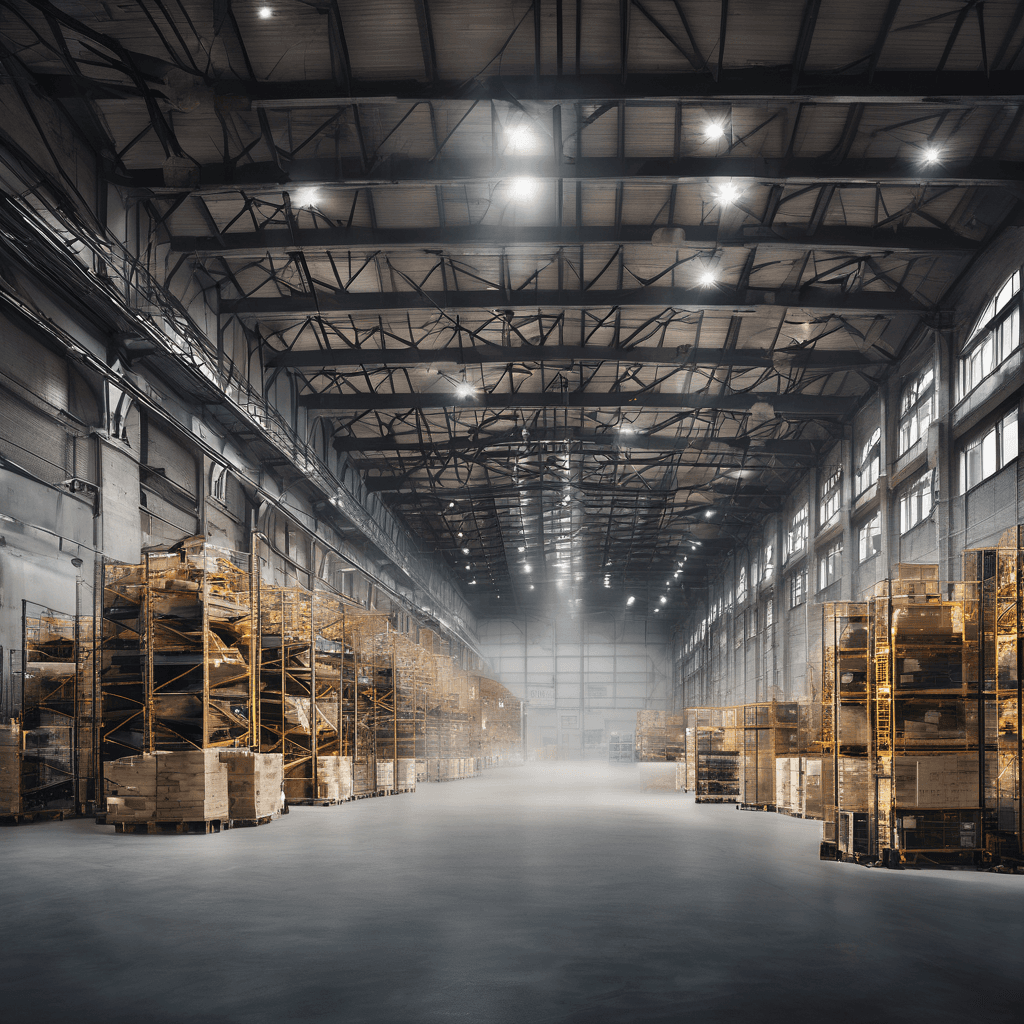
Finding a modern, well-located warehouse in Poland feels impossible. Vacancy rates in key logistics hubs like Warsaw and Central Poland have plummeted to a record low of 3.5%. This isn't just a shortage; it's a full-blown squeeze impacting your bottom line. Imagine your expansion plans stalling because you can't secure 10,000 square meters with cross-docking facilities. The market is fiercely competitive, yet new opportunities are emerging in unexpected regions, driven by nearshoring and massive EU infrastructure funds. Let’s cut through the noise and examine where the real potential lies for securing your logistics advantage in this dynamic landscape.
Why Poland is a Prime Location for Industrial Warehousing
Strategically positioned at the heart of the continent, Poland has become a magnet for industrial and logistics operations. Its rise isn't accidental; it's the result of a powerful combination of geography, economic vigor, and smart policy, making it a standout choice for companies looking to optimize their European supply chains.
Central European Logistics Crossroads
Poland's geographic advantage is undeniable. Serving as a key junction between Western Europe and the growing markets of the East, it offers unparalleled access to a consumer base of over 500 million people within the EU alone. Major pan-European transport corridors like the A2 and A4 motorways cut directly through the country, linking Berlin to Warsaw and Dresden to Kyiv. This connectivity is further bolstered by a rapidly modernizing rail network and access to Baltic Sea ports like Gdańsk and Szczecin. In practice, this means a truck can reach most major Central European capitals within a day's drive, a logistical dream for distribution-centric businesses.
Economic Stability and Growth Drivers
Beyond location, Poland's economic fundamentals are robust. As a committed EU member since 2004, it benefits from stable trade frameworks and significant structural funds for development. The country has recorded impressive, consistent GDP growth for decades, consistently outpacing the EU average. This resilience attracts massive foreign direct investment (FDI), with the industrial and logistics sector being a primary beneficiary. Government agencies like the Polish Investment and Trade Agency (PAIH) actively facilitate this inflow, creating a predictable and business-friendly environment.
Skilled and Cost-Effective Workforce
A major draw is Poland's labor market. The country boasts a large, well-educated, and increasingly multilingual workforce, particularly strong in engineering, logistics, and technical fields. When paired with significantly lower operational costs than in Western Europe, the value proposition becomes compelling. For instance, while wages are rising fairly, total employment costs in the industrial sector remain highly competitive, as seen in the table below.
| Cost Component | Poland (Approx.) | Western Europe (e.g., Germany) |
|---|---|---|
| Average Gross Monthly Wage (Logistics) | €1,500 - €2,000 | €3,000 - €4,000+ |
| Industrial Electricity Cost (per MWh) | €120 - €180 (varies by provider) | €200 - €300+ |
| Prime Warehouse Rent (per sqm/month) | €3.5 - €5.5 | €6.5 - €9.0+ |
Sources: Local industry reports, Eurostat data 2023/2024.
This cost advantage is amplified by generous government incentives, primarily through 14 Special Economic Zones (SEZs). These zones offer attractive tax exemptions—sometimes up to 70%—and can include additional grants for job creation or capital expenditure. Whether you're exploring options for a build-to-suit facility or leasing existing space, the financial case for Poland is strong and well-documented across our Blog. The sustained development of modern, high-spec warehouse parks near every major city proves that the market is responding to this powerful convergence of assets.
Key Regions and Logistics Hubs in Poland
Poland's industrial and logistics landscape is far from uniform, with distinct regions offering specialized advantages for different types of operations. The core of the market is the so-called 'Big Five' logistics triangle, connecting Warsaw, Łódź, Poznań, Wrocław, and the Upper Silesian conurbation. This area accounts for a massive share of the country's modern warehouse stock, driven by its central location, excellent transport networks, and access to a vast labor pool.
Central Poland: The 'Big Five' Triangle
At the heart of this triangle lies the Łódź region, a powerhouse for pan-European distribution and e-commerce. Its central location makes it a perfect hub for reaching the entire Polish market within a day. Major developers have built vast logistics parks here, attracted by the convergence of the A1 and A2 motorways. In practice, it's common to see global e-commerce giants and 3PLs operating massive distribution centers in this region, serving as a critical gateway to both Western and Eastern Europe.
Silesia and Southern Poland
Upper Silesia is Poland's traditional industrial heartland, and its warehouse market is deeply tied to manufacturing. Demand here is driven by production support logistics, with companies needing facilities close to factories for just-in-time supply chains. Sectors like automotive, mining machinery, and heavy industry are key tenants. While the region has a huge population, available land for large greenfield projects can be tighter than in central Poland, pushing some development towards neighboring regions like Kraków and the Czech border.
Western Poland and the German Border
The western regions, particularly around Poznań and Szczecin, are strategically positioned for cross-border trade. Poznań is a major intersection on the Berlin-Warsaw route, making it ideal for companies serving the German market. Szczecin and Świnoujście ports offer direct access to Scandinavia, creating a niche for maritime logistics. Rental rates in these western hubs can be competitive, and the workforce often has strong language skills, a big plus for international firms.
Beyond these primary hubs, secondary markets are gaining traction. The Bydgoszcz-Toruń area benefits from its position on the Vistula River and A1 motorway, while Lublin is emerging as a key eastern gateway, supported by EU funding for infrastructure. The table below highlights key characteristics of the primary regions:
| Region | Core Strengths | Typical Occupiers | Average Prime Rent (Q1 2024) |
|---|---|---|---|
| Central (Łódź) | Pan-European distribution, e-commerce | 3PL, Retail, E-commerce | €4.2-4.8/m²/month |
| Silesia | Production support, heavy industry | Manufacturing, Automotive | €3.8-4.5/m²/month |
| Western (Poznań) | German trade, transshipment | Manufacturing, Logistics | €4.0-4.6/m²/month |
These rents, sourced from local industry reports, can vary significantly based on the specific park, building specs, and lease terms. For more insights on market trends, check out our latest updates on the Blog.
Types of Industrial Warehouses and Modern Facilities
Poland's industrial landscape is dominated by several distinct types of facilities, each engineered for specific operational needs. The choice between them depends heavily on whether a company prioritizes speed-to-market, specialized infrastructure, or seamless integration into global supply chains.
Big-Box Logistics and Distribution Centers
These are the giants of the market, typically speculative developments exceeding 50,000 sqm and designed for rapid occupancy. They form the backbone of e-commerce and pan-European distribution. Key features include high bay storage, extensive lorry parking, and a focus on location near major motorway junctions like those around Warsaw, Poznań, or Upper Silesia. In practice, you'll see clear heights pushing 12 meters and floor loads of 5-7 tons/sqm to accommodate dense racking systems. The real advantage here is scale and speed, allowing retailers and 3PLs to secure massive spaces quickly to serve Central and Eastern Europe.
Manufacturing & Production-Linked Warehouses
Unlike speculative boxes, Built-to-Suit (BTS) facilities are custom-designed for a specific tenant's manufacturing or advanced logistics processes. These projects cater to the automotive, electronics, and appliance sectors booming in Poland. They integrate production halls with adjacent storage, often featuring reinforced floors for heavy machinery, specialized power supply, and unique column grids. A BTS warehouse might include on-site rail sidings, waste management systems, or extra office space for engineers. According to local industry reports, demand for such tailored solutions has grown by over 20% in the last two years, reflecting Poland's shift from pure logistics to advanced manufacturing.
Specialized Storage and Cold Chain Facilities
The growth of Poland's agri-food sector, a national export powerhouse, has fueled massive investment in modern cold storage. These are highly specialized facilities with multi-temperature zones, ranging from deep freeze (-25°C) to chill (+4°C). They go beyond simple refrigeration, incorporating advanced monitoring and blast-freezing capabilities. Furthermore, the integration of cross-docking terminals is critical here, enabling fresh produce to be transferred directly from refrigerated trucks to distribution vehicles without breaking the cold chain. Access to multi-modal transport, especially rail, is becoming a key differentiator for these energy-intensive facilities.
| Feature | Big-Box Speculative | Built-to-Suit (BTS) | Cold Storage |
|---|---|---|---|
| Primary Use | Regional distribution, e-fulfillment | Manufacturing, complex assembly | Food, pharmaceuticals |
| Clear Height | ~12 m | Varies, often lower for production | ~10-15 m (for high-density racking) |
| Key Spec | Standardized floor load (5-7 t/sqm) | Custom power, drainage, heavy loads | Temperature control, energy efficiency |
| Development Driver | Speed and location | Specific technical process | Sector demand (e.g., food exports) |
Across all types, modern standards are non-negotiable. Advanced fire safety systems like ESFR sprinklers, ample LED lighting, and secure yard management are now baseline expectations. The market's maturity means tenants can find facilities precisely matching their logistical puzzle, whether it's a simple storage shed or a complex, temperature-controlled hub with direct rail access. For more insights on market trends, check our Blog.
Market Trends and Future Outlook
The Polish industrial warehouse market isn't just growing; it's rapidly evolving, shaped by powerful trends that are redefining what a modern logistics facility looks like and where it needs to be. While global economic headwinds have caused some sectors to pause, the fundamental drivers here—strong domestic consumption, a strategic geographic position, and nearshoring—keep the engine running. Developers remain active, with a keen eye on future-proofing their assets.
The E-Commerce Boom and Last-Mile Logistics
Online retail is fundamentally reshaping logistics geography. The relentless demand for faster delivery is pushing developers to secure land within and around major city centers for last-mile hubs. These aren't the vast, 50,000 sqm distribution centers of the past. In practice, we're seeing a surge in demand for smaller, more flexible units in the 10,000 to 20,000 sqm range, often multi-tenant, located in urban infill locations. Cities like Warsaw, Poznań, and the Tri-City area are hotspots for this activity, as retailers and logistics operators scramble to get closer to the end customer. This trend directly competes with other urban land uses, driving up land prices and pushing developers to get creative with existing buildings.
Sustainability and Green Warehousing
ESG criteria have moved from a nice-to-have to a core business requirement. Tenants, especially international giants, now routinely demand sustainable features. This isn't just about corporate image; it's about long-term operational cost savings and regulatory preparedness. The most visible sign is the sea of solar panels on warehouse roofs, with new projects often allocating 100% of available roof space for PV installations. Beyond that, EV charging stations, advanced energy management systems, and water recycling are becoming standard. Certification is key: a BREEAM Excellent or Very Good rating is practically the baseline for any new project aiming to attract premium tenants, as noted in recent local industry reports.
Technology and Automation Adoption
Modern warehouses are becoming highly digitized environments. The adoption of sophisticated Warehouse Management Systems (WMS) is now table stakes for efficient operation. What's accelerating is the integration of robotics—like autonomous mobile robots (AMRs) for picking and sorting—and IoT sensors for real-time monitoring of everything from inventory levels to energy consumption. This tech drive is about maximizing throughput and accuracy in a tight labor market. While full automation is still for high-volume players, elements like goods-to-person systems are becoming more common in new builds.
Looking ahead, the market shows remarkable resilience. Despite higher construction costs and financing expenses, developer activity remains robust, with a strong pipeline focused on built-to-suit projects for specific clients. Rental rate growth in primary markets (Warsaw, Upper Silesia, Central Poland) is expected to continue, potentially reaching €4.50-€5.00/sqm/month for prime space, while secondary locations may see more moderate increases. Vacancy rates, though ticking up slightly from historic lows, are forecast by firms like Cushman & Wakefield to stay in a healthy 6-8% range in major hubs, ensuring a balanced market. The flight to quality, driven by ESG and tech needs, will likely keep prime assets fully occupied, whereas older, non-modernized stock in poorer locations could face challenges. For more insights on the broader economic landscape, visit our Blog.
| Market Segment | Rental Rate Trend (2024/25) | Vacancy Rate Outlook |
|---|---|---|
| Primary Markets (e.g., Warsaw, Wrocław) | Steady increase | Tight, ~6% |
| Secondary Markets | Moderate, stable growth | Higher, ~8-10% |
| Last-Mile Urban | Premium, high demand | Very low, sub-5% |
Navigating the Leasing and Investment Process
Securing the right industrial space in Poland requires a clear roadmap, whether you're a company looking to lease or an investor building a portfolio. The process is straightforward if you understand the local landscape and have the right team in place.
Key Considerations for Tenants
For companies, the lease structure is the first crucial decision. A net lease is standard, where you pay a base rent plus operational costs like utilities, property taxes, and common area maintenance. A gross lease, bundling everything, is less common but offers predictability. Service charges can add €0.50 to €1.50 per sqm monthly. Crucially, factor in fit-out costs; a basic office and warehouse floor can start from €200-400 per sqm, but a cold storage facility jumps dramatically. Location due diligence is non-negotiable. Prioritize sites with direct access to the A2 or A4 motorways. Don't just check utility availability—verify capacity, especially for high-power needs. Scrutinize the local labor pool; unemployment in major logistics hubs like Central Poland can be as low as 3-4%, according to Eurostat, tightening the market.
The Investor's Perspective: Yields and Risks
Investors are drawn to Poland's industrial sector for its relative stability and attractive returns. Prime logistics yields have compressed but remain competitive, typically ranging between 5.75% and 6.25% for core assets in 2024, based on local industry reports. Market liquidity is strong, fueled by major institutional players like Panattoni, 7R, and GLP, alongside international funds. However, risks are evolving. Rising construction costs, potential oversupply in sub-markets, and stricter environmental regulations for new builds are key factors to model. The golden rule? Not all locations are equal; secondary cities may offer higher yields but come with different liquidity profiles.
| Aspect | Prime Warsaw Hub | Regional City (e.g., Wrocław) | Eastern Poland (e.g., Lublin) |
|---|---|---|---|
| Typical Prime Yield | ~5.75% | ~6.00% | ~6.25%+ |
| Market Liquidity | Very High | High | Moderate |
| Rental Growth Potential | Steady | Strong | Developing |
Working with Local Partners
Navigating legal and administrative steps alone is a minefield. The process from land acquisition to a ready-to-lease building involves a web of zoning permits, construction permits, and environmental assessments that can take 12-18 months. Environmental regulations, particularly concerning soil and water usage, are stringent. This is where local expertise is invaluable. A seasoned real estate advisor deciphers the market, while a Polish lawyer handles the SPV setup and ensures lease agreements comply with local law. In practice, engaging a logistics consultant early can optimize your building's layout for efficiency, saving significant operational costs down the line. For more insights, explore our Blog.
Conclusion: Positioning for Success in the Polish Market
Poland’s industrial and warehouse sector isn't just booming; it’s matured into a cornerstone of European logistics. The country’s success story hinges on a powerful, stable mix of geographic centrality, competitive operational costs, and a resilient economy that continues to attract serious investment. This isn't a fleeting trend but a fundamental repositioning of Europe's supply chain map.
Strategic Summary of Advantages
The data speaks for itself. Poland offers a compelling value proposition that's tough to beat in the EU. Consider the cost advantage: while prime logistics rents in Western Europe can be double or triple, Poland provides modern facilities at a significant discount. For instance, average prime rents in key Polish hubs like Warsaw or Wrocław range from €4.0 to €5.5 per sqm/month, compared to €8.0+ in Germany and over €10.0 in the Netherlands (local industry reports, 2024). Coupled with lower labor costs and a vast, skilled workforce, the total occupancy cost picture is compelling. Geographically, you're within a one- to two-day drive of major consumer markets in Germany, the Czech Republic, and the Baltics. Economic stability, underscored by consistent GDP growth and EU funding, seals the deal for long-term planning.
Final Recommendations for Businesses
First, match your logistics to the region. A company serving the DACH market might prioritize Silesia or Lower Silesia, while e-commerce targeting the Baltics and Scandinavia should look at Pomerania or Central Poland. Don't just chase the lowest rent. Second, future-proof your selection. Demand for sustainable, BREEAM-certified buildings and facilities ready for automation is skyrocketing. In practice, a building with a strong ESG profile isn't just good PR; it mitigates regulatory risk and appeals to top-tier talent. Finally, act with decisiveness. Vacancy rates in prime locations remain tight, often below 6%, and the best units get snapped up fast. The market is evolving rapidly, with developers now focusing on multi-story warehouses and last-mile urban logistics centers. For a deeper dive into regional specifics, explore our insights on the Blog.
Poland has solidified its role as a strategic, long-term logistics hub. Businesses that strategically align their operational needs with the right location and modern facility specs will be best positioned to capitalize on this dynamic market for years to come.
Frequently Asked Questions (FAQ)
What are the main advantages of locating a warehouse in Poland?
Poland's central European location is a huge advantage—you can reach major markets like Germany, the Czech Republic, and the Baltic states within a day's drive. The labor costs are still competitive compared to Western Europe, and there's a growing pool of skilled workers. The infrastructure is solid, with lots of modern logistics parks already built. For example, you can find a modern warehouse in a key hub like Poznań or Wrocław for a lease rate that's often 30-40% lower than in Germany. It’s a practical, cost-effective base to serve the EU.
Which city in Poland is best for logistics and warehousing?
For logistics and warehousing in Poland, the top choice is usually Central Poland, especially Łódź and its surrounding region. It's right at the country's geographic heart, giving you the best access to all major markets. Warsaw is key for national and eastern distribution, while Poznań is strong for western Europe connections. But if you need one hub to serve the whole country, the Łódź area is unbeatable—it’s where you’ll find massive available space and major tenants like Amazon. Start your search in the so-called "Łódź Triangle" between Łódź, Warsaw, and Poznań.
What is the average cost of leasing industrial space in Poland?
The average cost for leasing modern industrial space in Poland really depends on the city and location. For major logistics hubs like Warsaw or Poznań, you might see prime warehouse rents around €4.50 to €6.00 per square meter per month. In regional cities, it can be lower, sometimes starting from €3.00. These are just base rents, so remember to budget an additional 20-30% for service charges and taxes. Your best move is to contact a few local commercial real estate agents—they’ll have the most current, specific rates for the exact area and type of space you need.
Are there government incentives for building warehouses in Poland?
Yes, there are good incentives, mainly within Poland's Special Economic Zones (SEZs). If you build a warehouse in an SEZ, you can get a corporate income tax (CIT) exemption. This can cover up to 55% of your investment costs, or even 65% for large projects in medium-sized towns. For example, a €10 million investment could see over €5 million in tax savings. The key is getting a permit from the SEZ authority, so your first step should be checking the zone maps and contacting them directly to see if your project qualifies.
How is the Polish warehouse market responding to e-commerce growth?
The Polish warehouse market is adapting directly to e-commerce growth by shifting focus toward last-mile logistics. Developers are building more smaller, urban warehouses and logistics hubs to enable faster deliveries. For example, in Warsaw and other major cities, we're seeing a surge in projects for units under 10,000 sqm located closer to residential areas. If you're looking for space, prioritize these city-fringe locations for quicker customer access, as the classic large-scale industrial parks on city outskirts are now complemented by this dense network of smaller facilities.
Related Articles
Understanding the Cost of Warehouse Services in Poland
Navigating warehouse costs in Poland feels like a maze. You're not alone. With e-commerce booming, logistics space is at a premium. Prime warehouse vacancy r...
Central Europe Warehouse Hub: A Strategic Logistics Guide
Struggling with supply chain bottlenecks and soaring costs? You're not alone. The logistics map of Europe is being redrawn, with Central Europe emerging as t...
European Warehouse Services in Poland: Your Strategic Hub
Struggling with warehouse delays and spiraling logistics costs? You're not alone. Poland has rapidly become the beating heart of European distribution, with ...